 By Elois da Costa
Planning a trip can be exciting, but it can also feel overwhelming if you do not follow a clear checklist from the very beginning. Many first-time travelers make simple mistakes, not because they lack motivation, but because they do not know the correct order to do things or which details truly matter.
This guide is designed for English-speaking travelers who are traveling solo, as a couple, or taking their first major international trip. You will not find generic advice here. Instead, this is a practical checklist explained step by step, with real examples and beginner-friendly destinations to help you plan without stress.
Table of Contents
- Define the type of trip before choosing a destination
- Choose beginner-friendly destinations
- Decide how many days to travel
- Check documents and requirements early
- Buy flights at the right time
- Book accommodation logically, not impulsively
- Create a realistic itinerary
- Plan local transportation
- Prepare a smart packing checklist
- Review expenses, insurance, and payments
1. Define the Type of Trip Before Choosing a Destination
Before searching for flights or scrolling through Instagram photos, the first step in any mistake-free travel checklist is to define what kind of experience you want.
Ask yourself whether you are looking for rest, cultural cities, nature, food experiences, or a balanced mix. It is also important to consider whether you prefer staying in one place or changing cities every few days. This decision directly affects your budget, travel pace, and ideal destination.
Choosing a place just because it is trendy often leads to frustration when it does not match your travel style.
2. Choose Beginner-Friendly Destinations
Not all destinations are equally easy for a first trip. Starting with places that are well connected, safe, and have strong tourist infrastructure helps reduce mistakes and stress.
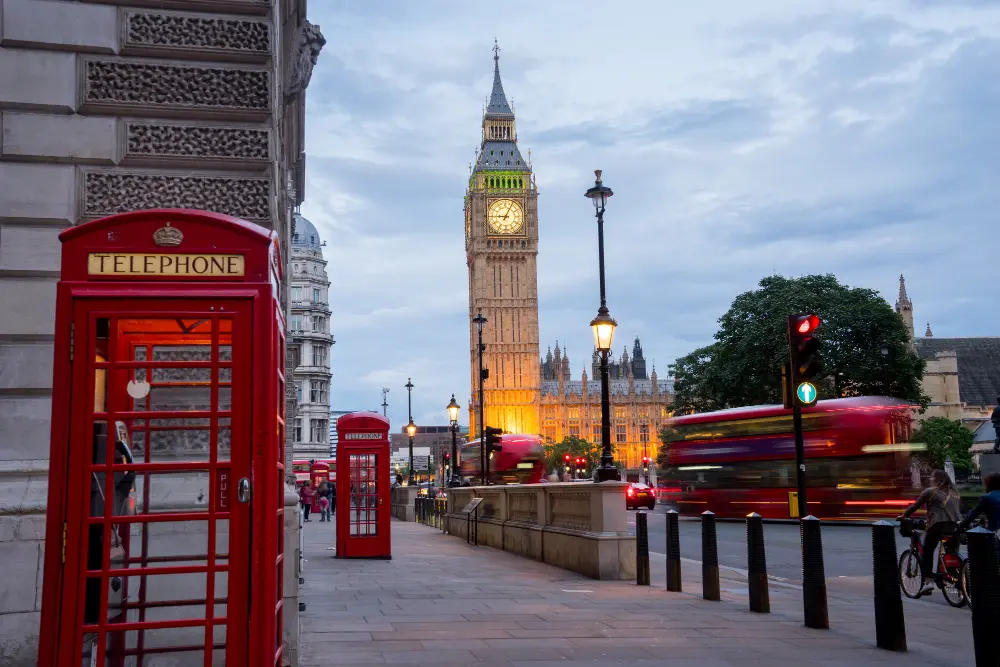
Destination 1: London, United Kingdom
Why it is ideal for beginners
London has a clear public transportation system, English signage, and a wide range of accessible attractions. It is easy to navigate even without prior travel experience.
Best type of traveler
Urban travelers, history lovers, museum fans, and those who enjoy long walks.
Recommended length of stay
5 to 7 days allow you to explore the city without rushing.
Practical tip for first-time visitors
Use a contactless card for the subway and avoid rush hours between 7:30 and 9:30 am.

Destination 2: Paris, France
Why it is ideal for beginners
Paris is designed for walking and has one of the most complete metro systems in Europe.
Best type of traveler
Cultural travelers, couples, and food lovers.
Recommended length of stay
4 to 6 days are enough for a first visit.
Practical tip for first-time visitors
Book museum tickets with timed entry and avoid Sunday afternoons at the Louvre.

Destination 3: New York City, United States
Why it is ideal for beginners
The city is intuitive, with a grid layout and 24-hour public transportation.
Best type of traveler
Active travelers, fans of shows, shopping, and international food.
Recommended length of stay
5 to 7 well-organized days.
Practical tip for first-time visitors
Buy a weekly MetroCard and group activities by neighborhood.

Destination 4: Barcelona, Spain
Why it is ideal for beginners
It combines beach, city, and culture within short distances.
Best type of traveler
Relaxed travelers who enjoy walking, good food, and mixed activities.
Recommended length of stay
4 to 6 days.
Practical tip for first-time visitors
Have dinner after 8 pm and buy Sagrada Familia tickets in advance.
3. Decide How Many Days to Travel
One of the most common mistakes is trying to see too much in too little time. A good travel checklist prioritizes quality over quantity.
As a general rule:
- 3 to 4 days for one compact city
- 5 to 7 days for large cities
- More than 8 days only if there are internal transfers
Fewer days with a comfortable pace lead to a better travel experience.
4. Check Documents and Requirements Early
This step is often ignored until it is too late. Make sure to check:
- Passport validity
- Visa or electronic authorization requirements
- Mandatory travel insurance
Do this before buying flights to avoid unnecessary expenses.
5. Buy Flights at the Right Time
The cheapest flight is not always the best option. Consider schedules, layovers, and airports.
For international trips, buying flights 8 to 12 weeks in advance is usually a good starting point. Avoid very short layovers if this is your first trip.
6. Book Accommodation Logically, Not Impulsively
Location matters more than hotel design. Prioritize areas that are well connected by public transportation and close to essential services.
Read recent reviews and check maps carefully before booking.
7. Create a Realistic Itinerary
A classic mistake is filling every hour of the day. Ideally, your itinerary should include:
- 1 or 2 main activities per day
- Intentional free time
- Avoiding consecutive days with long transfers
A flexible itinerary reduces fatigue and improves the overall experience.

8. Plan Local Transportation
Learn the basics before you arrive:
- How the subway or bus system works
- Which apps to use
- Night schedules
This helps you avoid expensive taxis and unnecessary delays.
9. Prepare a Smart Packing Checklist
Pack with the idea of reusing outfits and based on the actual weather. Less luggage means more comfort.
Include adapters, basic medications, and digital copies of important documents.
10. Review Expenses, Insurance, and Payments
Notify your bank, check fees, and carry at least two payment methods. Travel insurance is not optional. It is an essential part of any mistake-free travel checklist.
Frequently Asked Questions About a Mistake-Free Travel Checklist
What is the best checklist for planning a trip without mistakes for the first time?
The best checklist follows a logical order, from defining the type of trip to reviewing payments and documents before departure.
When should I start my travel checklist?
Ideally, 2 to 3 months in advance, especially for international trips.
Is a travel checklist useful for short trips?
Yes. Even for short getaways, it helps avoid forgetfulness and unnecessary expenses.Should I adapt the checklist depending on the destination?
Yes. Some steps vary by country, but the overall structure remains the same.