 By Elois da Costa
If you are asking yourself how do I plan a trip, the correct approach is to follow a clear order: choose your destination, set a realistic budget, pick the right travel dates, book transportation, reserve accommodation, prepare documents, and organize your itinerary before departure. Planning a trip step by step helps you avoid unnecessary expenses, reduces stress, and makes the experience more enjoyable from the beginning. This guide explains in detail how to plan a trip the right way, even if you have never traveled before, using practical strategies that experienced travelers follow every time.
Travel planning is not about perfection. It is about preparation. When you know what to do first and what to do next, the process becomes simple and predictable.
Below you will find a complete step by step guide that answers the question how do I plan a trip in a realistic and useful way.
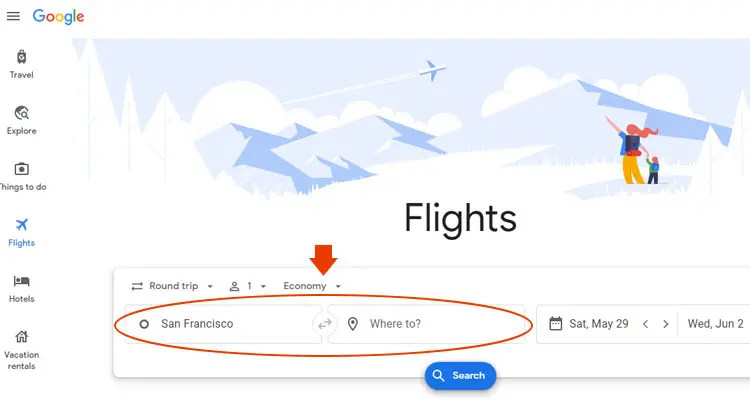
1. Choose Your Destination Carefully
The first step when thinking how do I plan a trip is deciding where you want to go. Your destination determines how much money you will spend, what documents you need, what weather you will have, and what type of experience you can expect.
Ask yourself these questions before choosing:
- Do you want a beach, city, mountains, or countryside
- Are you traveling alone, with friends, or with family
- How far are you willing to travel
- Do you need a passport
- Do you want a relaxing trip or an adventure
Choosing the destination first makes every other decision easier.
You can start comparing flight options and possible locations using https://www.google.com/travel/flights to see which destinations fit your budget.
When the destination matches your budget and your expectations, planning becomes much easier.

2. Decide Your Total Budget Before Booking Anything
One of the most common mistakes people make when asking how do I plan a trip is booking flights first without knowing how much they can really spend.
Your total travel budget should include:
- Transportation
- Accommodation
- Food
- Activities
- Insurance
- Local transportation
- Emergency money
To estimate accommodation costs, check prices in advance on https://www.airbnb.com and https://www.expedia.com to understand the average cost per night in your destination.
Knowing the real cost of travel helps you avoid running out of money during the trip.
Good planning always starts with a clear budget.
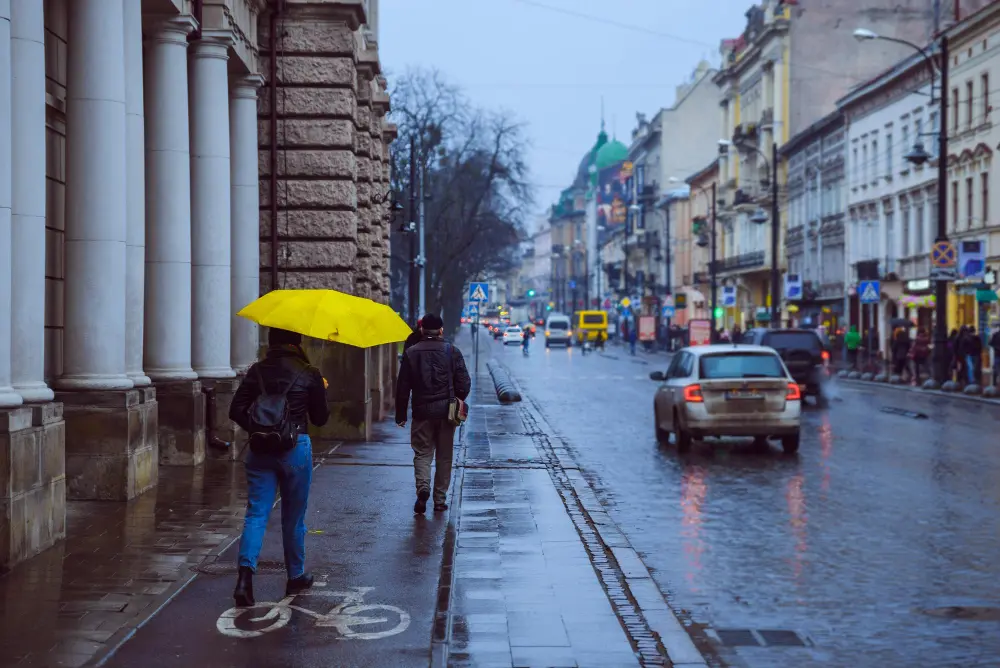
3. Pick the Best Dates for Your Trip
Dates affect almost everything when you plan travel. Prices, weather, and crowds change depending on the season.
When deciding your dates, consider:
- High season is more expensive
- Low season is cheaper but weather may not be ideal
- Shoulder season often gives the best balance
Before choosing your dates, check the weather forecast using official sources like https://www.weather.gov to understand the climate during your travel period.
Flexible dates can save a lot of money, especially for flights and hotels.
When people ask how do I plan a trip, choosing the right dates is one of the most important steps.

4. Check Passport, Visa, and Entry Requirements
Before booking anything, always verify travel requirements. Many travelers forget this step and have problems later.
Check:
- Passport expiration date
- Visa rules
- Entry requirements
- Health requirements
You can confirm official travel rules at https://travel.state.gov which provides updated information about international travel requirements.
Do this early, because some documents take time to process.
Planning a trip correctly means making sure you are allowed to enter the destination.

5. Book Flights or Transportation Early
Transportation is usually the most expensive part of a trip, so it is smart to book it early.
Tips for saving money on flights:
- Compare different dates
- Check nearby airports
- Travel midweek
- Use price comparison tools
Many experienced travelers compare prices using https://www.skyscanner.com before buying tickets.
If you are taking a road trip, calculate fuel, tolls, and distance in advance.
When learning how do I plan a trip, booking transportation at the right time can make a big difference in cost.

6. Reserve Your Accommodation in a Good Location
After booking transportation, the next step is choosing where to stay.
Your accommodation should be:
- Safe
- Close to attractions
- Within budget
- Well reviewed
Before reserving, read traveler opinions on https://www.tripadvisor.com to see real experiences from other visitors.
Location is very important. A cheap hotel far from everything can cost more in transportation.
Good planning means choosing convenience, not only price.

7. Plan Activities but Leave Free Time
Many beginners think planning means filling every hour, but that usually makes the trip stressful.
Instead, plan only the most important things:
- Main attractions
- Tours
- Restaurants
- Day trips
Leave time for:
- Rest
- Exploring
- Unexpected places
Travel is more enjoyable when you are not rushing all the time.
When asking how do I plan a trip, remember that balance is better than a full schedule.
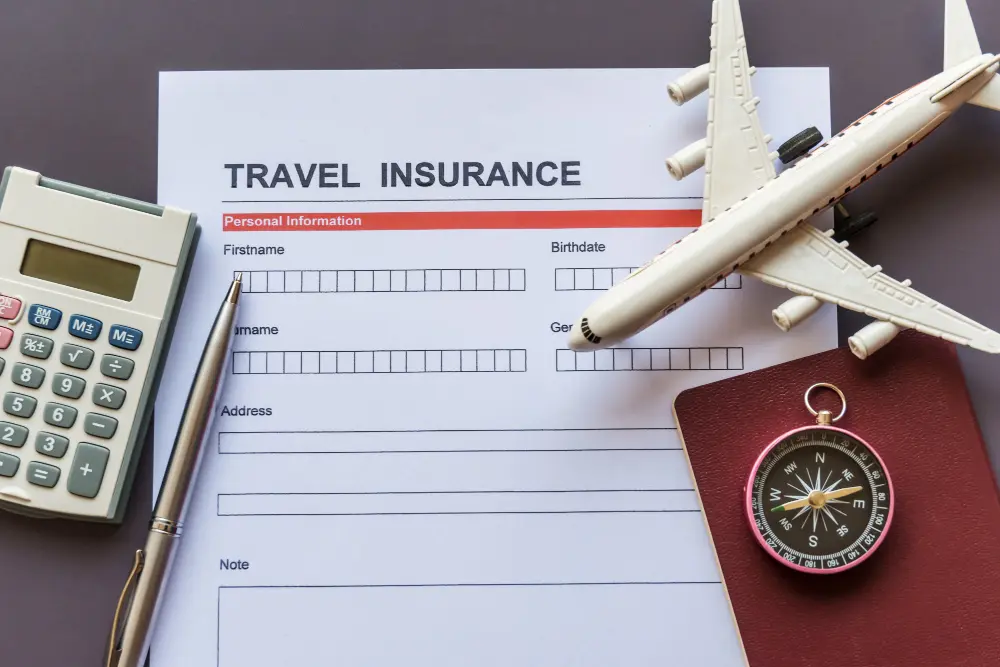
8. Consider Travel Insurance
Travel insurance is optional for short trips, but very useful for long or international travel.
Insurance can cover:
- Medical emergencies
- Lost luggage
- Trip cancellation
- Delays
Unexpected problems can happen, and insurance can save a lot of money.
Planning a trip responsibly means preparing for situations you hope will not happen.

9. Prepare Money, Cards, and Currency
Before traveling, decide how you will pay during the trip.
Prepare:
- Debit card
- Credit card
- Cash
- Local currency if needed
Tell your bank you will travel to avoid blocked cards.
Check exchange rates before traveling using https://www.xe.com so you know how much things really cost.
Keep money in different places for safety.
Good financial preparation is part of good travel planning.

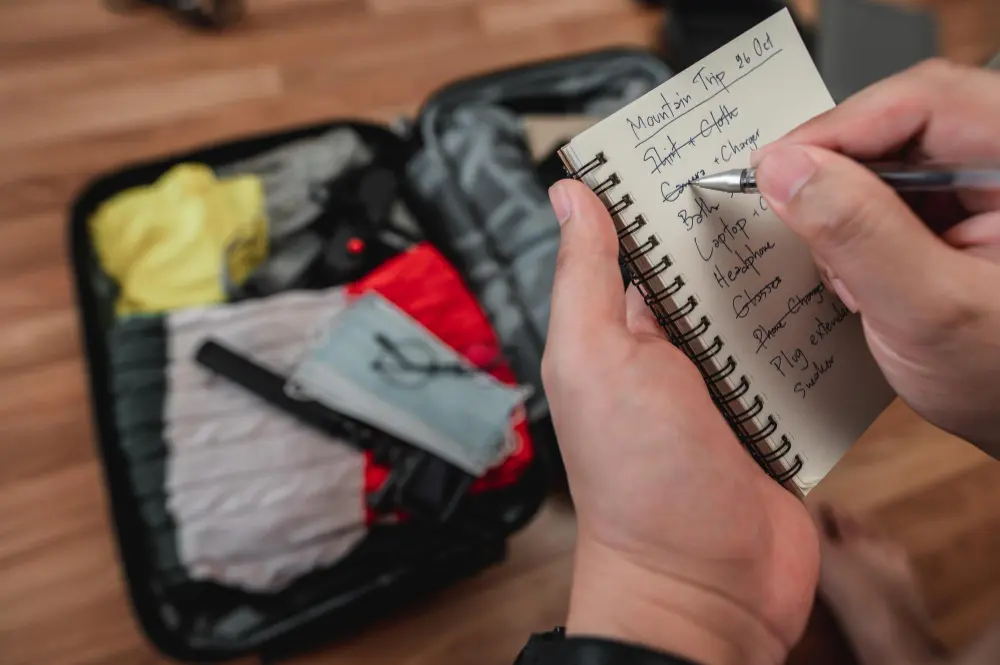
10. Pack Early and Use a Checklist
Packing at the last minute causes problems.
Make a checklist with:
- Clothes for the weather
- Documents
- Chargers
- Medicine
- Toiletries
- Comfortable shoes
Packing early helps you remember everything.
Do not carry more than you need.
Smart packing makes travel easier.
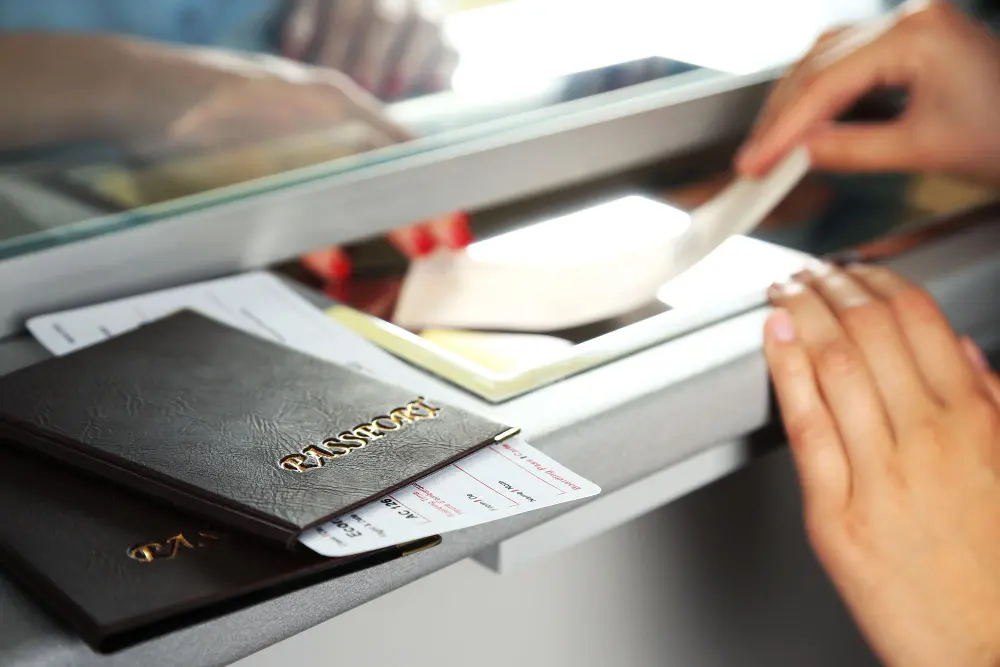
11. Organize Your Documents
Keep all important information together.
You should have:
- Passport
- ID
- Tickets
- Hotel confirmation
- Insurance information
- Emergency contacts
Many travelers keep digital copies on their phone or email.
Being organized reduces stress during the trip.
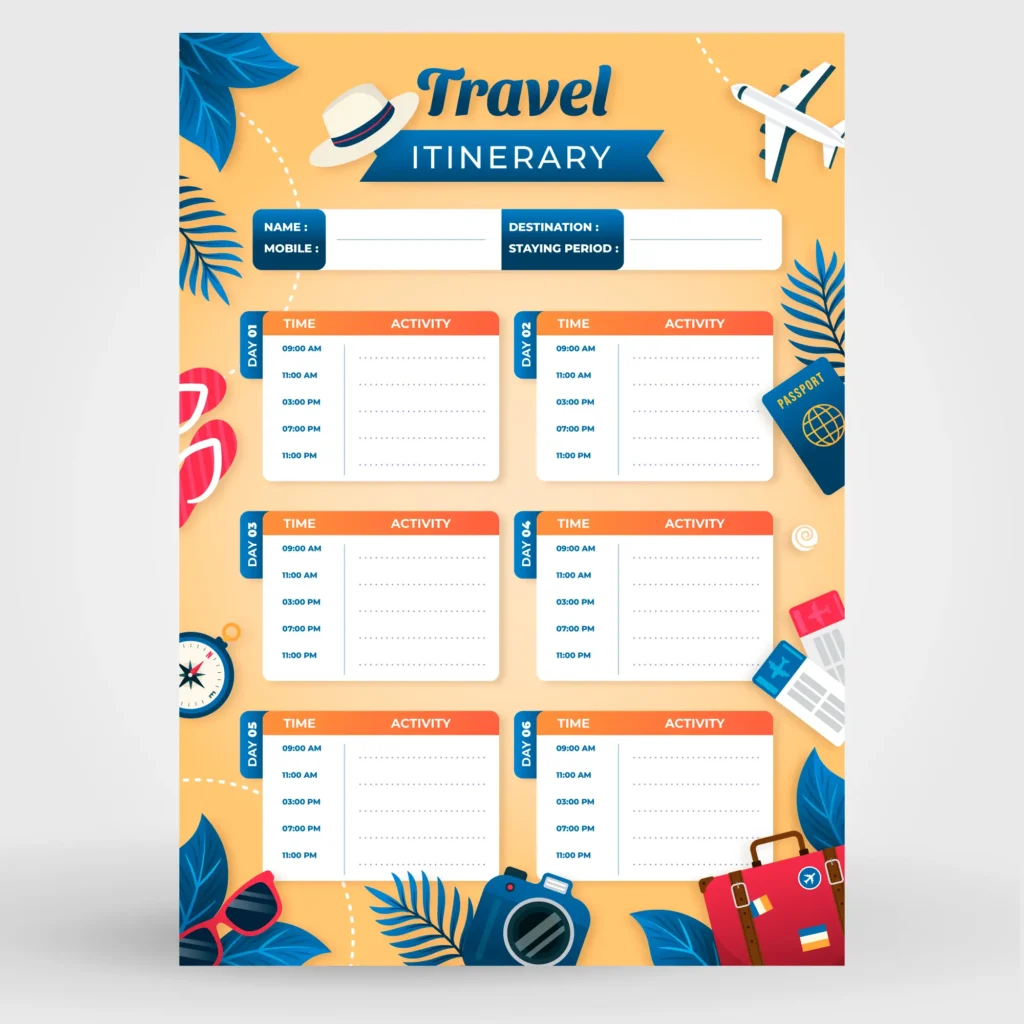
12. Create a Simple Itinerary
A basic itinerary helps you stay organized without feeling restricted.
Include:
- Flight times
- Hotel address
- Reservations
- Important activities
You do not need every detail.
When people ask how do I plan a trip, this step helps everything feel ready.
13. Check Everything Before You Leave
One or two days before traveling, review everything.
Check:
- Documents
- Reservations
- Weather
- Packing
- Transportation
Final checks prevent last minute problems.
Experienced travelers always review their plans.
14. How to Plan a Trip Successfully Every Time
No matter where you go, the answer to how do I plan a trip always follows the same structure:
- Decide your destination first
- Set a total budget before booking
- Choose travel dates carefully
- Book transportation early
- Reserve accommodation in a good location
- Plan activities but leave free time
- Prepare documents in advance
- Organize money and payments
- Pack with a checklist
- Review everything before departure
Planning does not remove adventure.
Planning makes adventure possible.
The more you travel, the easier planning becomes.
With the right preparation, any trip can be smooth, affordable, and memorable.
Conclusion
Planning a trip does not have to be complicated if you follow the right order. When people ask how do I plan a trip, the answer is always the same: start with a clear destination, set a realistic budget, choose the right dates, book transportation early, reserve accommodation in a good location, and prepare your documents before leaving.
Good planning helps you avoid unnecessary stress and allows you to focus on enjoying the experience instead of solving problems during the trip. The more organized you are before departure, the easier everything becomes once you arrive at your destination.
Travel planning is not about controlling every moment. It is about being prepared enough to feel confident while still leaving space for unexpected experiences. Some of the best memories happen when you have time to explore without rushing.
Whether you are planning your first vacation or your tenth, learning how do I plan a trip the right way makes every journey smoother, safer, and more enjoyable.
With the right preparation, travel becomes less stressful, more affordable, and much more rewarding.