 By Elois da Costa
If you are wondering how to plan a european trip, the process comes down to five clear steps: choosing the right countries based on your travel style, setting a realistic budget, mapping an efficient route, booking transportation and accommodations early, and prioritizing must-see stops without overpacking your itinerary. Europe is diverse, compact, and well connected, which makes it ideal for both first-time travelers and experienced explorers who want to maximize every day.
This guide walks you through practical decisions, real cost expectations, and specific route ideas so you can plan a trip that feels exciting instead of overwhelming.
Step 1: Choose the Right Countries for Your Travel Style
Europe has over 40 countries, so narrowing it down is the first major decision. Instead of picking places randomly, define your travel priorities.
For first-time travelers
Focus on classic, well connected destinations:
- France
- Italy
- Spain
- Netherlands
These countries offer iconic landmarks, reliable transportation, and plenty of English-friendly services.
For culture and history lovers
Consider:
- Germany
- Austria
- Czech Republic
- Greece
You will find castles, museums, and UNESCO sites. You can explore official listings through the UNESCO World Heritage database to prioritize meaningful stops.
For budget travelers
Look into:
- Portugal
- Hungary
- Poland
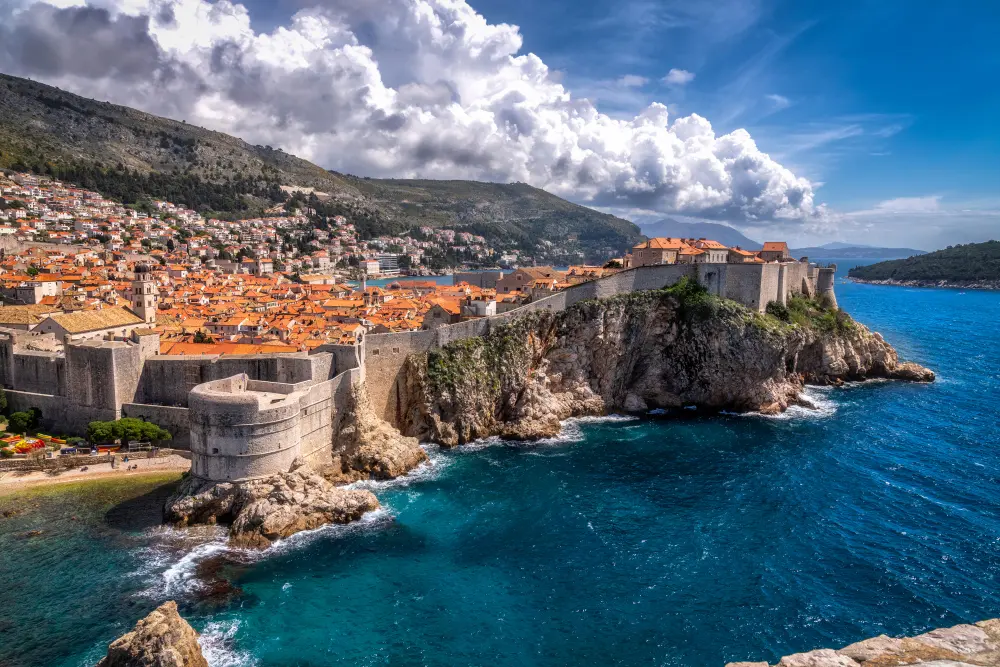
- Croatia
These destinations offer lower daily costs compared to Western Europe while still delivering unforgettable experiences.

For nature and scenic trips
Choose:
- Switzerland
- Norway
- Slovenia
- Iceland
Expect higher costs, but also breathtaking landscapes.
Tip: Limit your trip to 2 to 4 countries for a 10 to 14 day trip. Trying to do too much is one of the most common mistakes when learning how to plan a european trip.

Step 2: Build a Realistic Budget
Budgeting is where your plan becomes actionable. Europe can be affordable or expensive depending on your choices.
Average daily costs per person
- Budget traveler: $70 to $120
- Mid-range traveler: $130 to $250
- Luxury traveler: $300+
Key expense categories
Flights
Use tools like Google Flights search tool to compare routes and find the best prices. Booking 2 to 4 months in advance often gives the best deals.

Accommodation
Options include:
- Hotels via Booking.com travel platform
- Apartments through Airbnb rentals worldwide
- Hostels for budget trips
Expect:
- Western Europe: $100 to $250 per night
- Eastern Europe: $40 to $120 per night
Transportation
Trains are often the best option. Check routes and passes on the Eurail official website.
Budget airlines like Ryanair or EasyJet can be cheaper for longer distances.
Food
- Budget meals: $10 to $20
- Restaurants: $20 to $50
- Fine dining: $70+
Attractions
Museums and landmarks usually cost $10 to $30 per entry. Some cities offer tourist cards that bundle attractions and transportation.

Step 3: Plan Your Route Strategically
One of the biggest mistakes travelers make is inefficient routing. Europe is compact, so smart planning saves time and money.
Follow geographic logic
Instead of jumping across the continent, group nearby countries.
Example routes:
Classic Western Europe (10 to 14 days)
- Paris
- Brussels
- Amsterdam
Southern Europe (10 to 14 days)
- Barcelona
- Rome
- Florence
Central Europe (7 to 10 days)
- Vienna
- Prague
- Budapest
Use trains for shorter distances
Train travel is efficient, scenic, and often city-center to city-center. The European railway planner helps compare routes and schedules.
Limit travel days
Try not to travel more than every 2 to 3 days. Constant movement leads to burnout.

Step 4: Book Flights and Transportation Early
Flights to Europe are often the most expensive part of your trip, so timing matters.
Best booking strategy
- Book international flights 2 to 6 months in advance
- Travel midweek for better prices
- Use price alerts
According to the U.S. Department of Transportation travel data, midweek flights are often cheaper due to lower demand.
Consider open-jaw flights
Example:
- Fly into Paris
- Fly out of Rome
This saves time and avoids backtracking.
Train passes vs individual tickets
- Eurail pass is ideal if you plan many train trips
- Individual tickets are cheaper if you only take a few trains
Step 5: Choose Where to Stay
Your accommodation impacts both your budget and your experience.
Best areas to stay
- City center for short trips
- Near public transportation for longer stays
Types of accommodations
- Hotels for comfort
- Apartments for space and flexibility
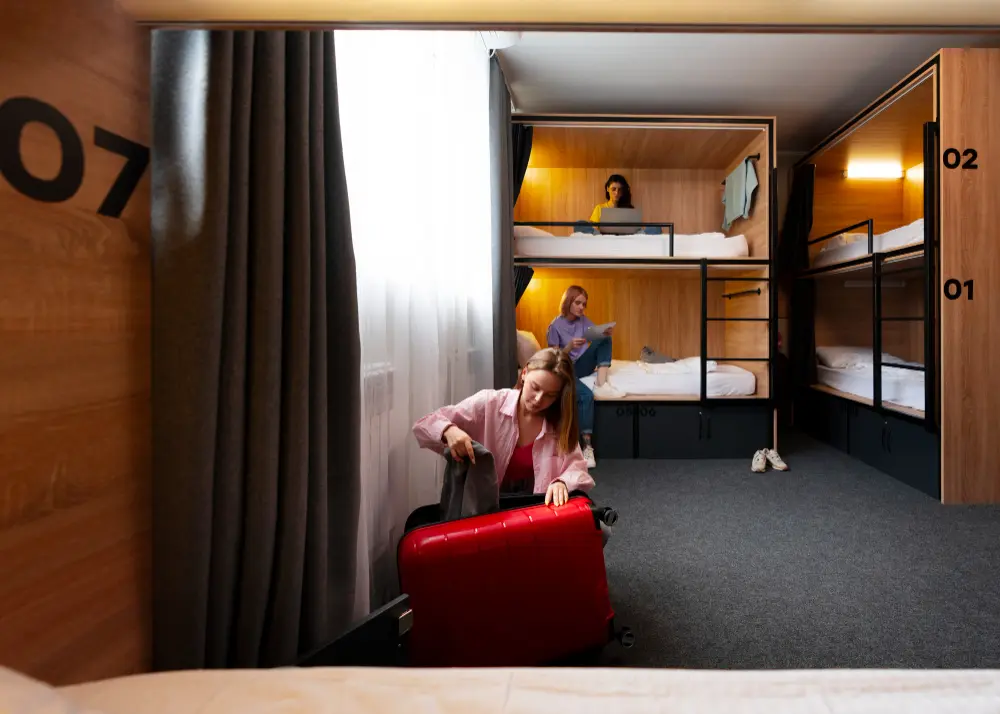
- Hostels for social experiences
Reading reviews is key. Platforms like Tripadvisor travel reviews provide insights from real travelers.
Step 6: Prioritize Must-See Stops Without Overpacking
When learning how to plan a european trip, many people try to visit too many attractions in too little time.
Focus on highlights
Pick 2 to 3 main attractions per day.
Examples:
- Paris: Eiffel Tower, Louvre Museum, Seine River walk
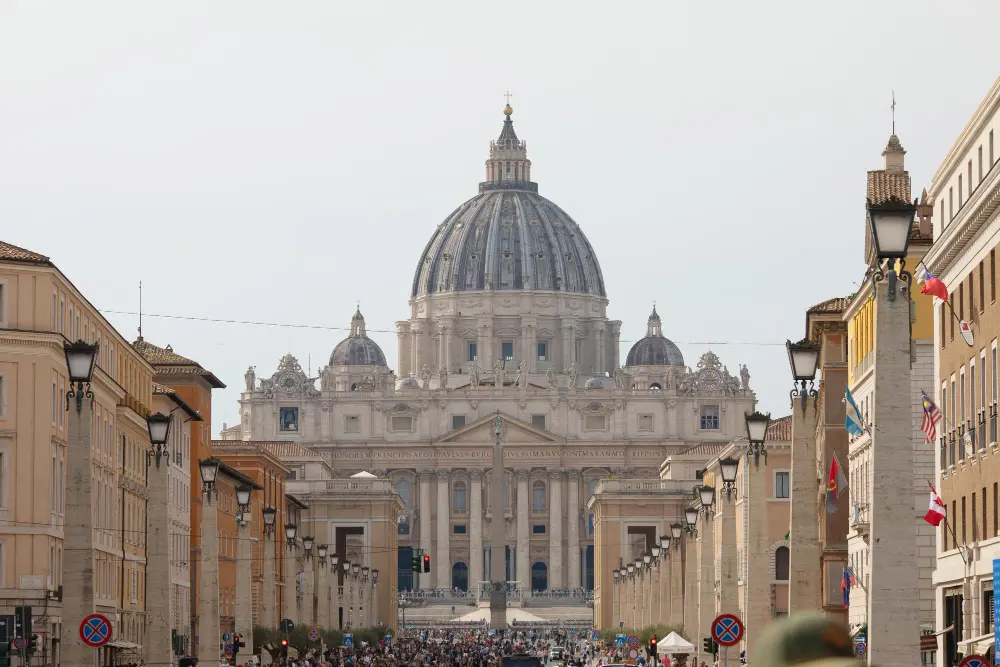
- Rome: Colosseum, Vatican, Trevi Fountain
- Barcelona: Sagrada Familia, Park Güell, Gothic Quarter
Book popular attractions in advance
Skip long lines by booking tickets early through official websites.
Leave room for spontaneity
Some of the best travel moments come from:
- Wandering neighborhoods
- Trying local food
- Discovering hidden spots
Step 7: Understand Travel Documents and Requirements
Before booking anything, check entry requirements.
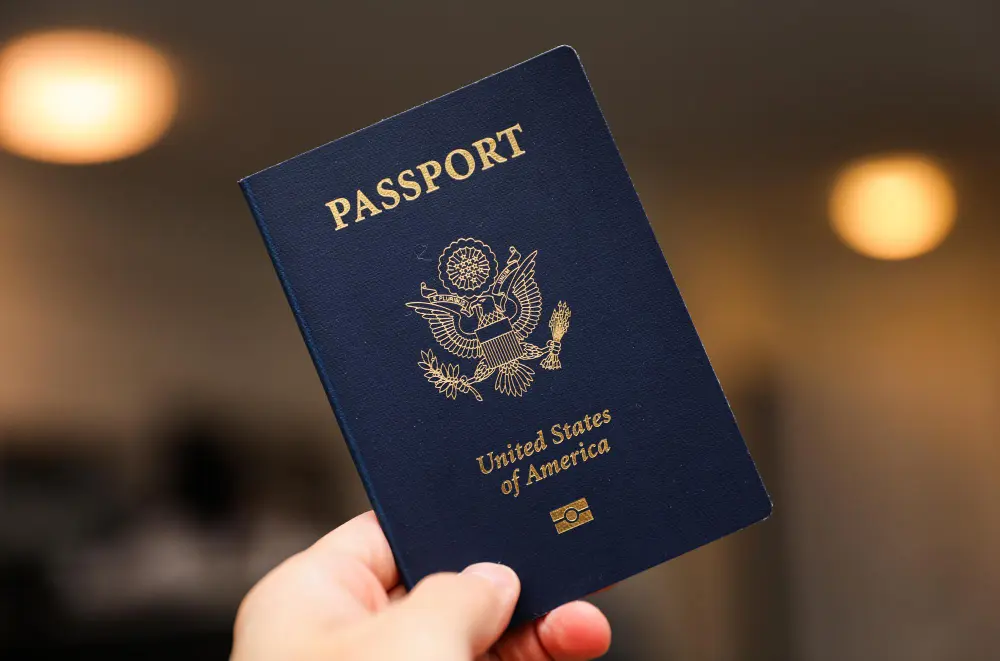
Passport rules
Your passport should be valid for at least 3 months beyond your departure date. Confirm details on the Schengen visa information page.
Visa requirements
Many travelers from the U.S. and Mexico can enter the Schengen Area visa-free for up to 90 days.

Step 8: Pack Smart for Europe
Packing correctly can save you money and stress.
Essentials
- Comfortable walking shoes
- Travel adapter
- Lightweight clothing layers
- Carry-on friendly luggage
Avoid overpacking
European cities often have:
- Cobblestone streets
- Stairs instead of elevators
- Small hotel rooms

Step 9: Stay Connected and Organized
Internet access
Options include:
- eSIM plans
- Local SIM cards
- International roaming
Travel apps
Use apps for:
- Maps
- Train schedules
- Budget tracking
Google Maps and Citymapper are especially helpful in major cities.
Step 10: Sample 12-Day European Itinerary
Here is a balanced itinerary for first-time travelers:
Days 1 to 3: Paris
- Eiffel Tower
- Louvre Museum
- Montmartre
Days 4 to 5: Amsterdam
- Canal tour
- Anne Frank House
- Bike ride
Days 6 to 8: Rome
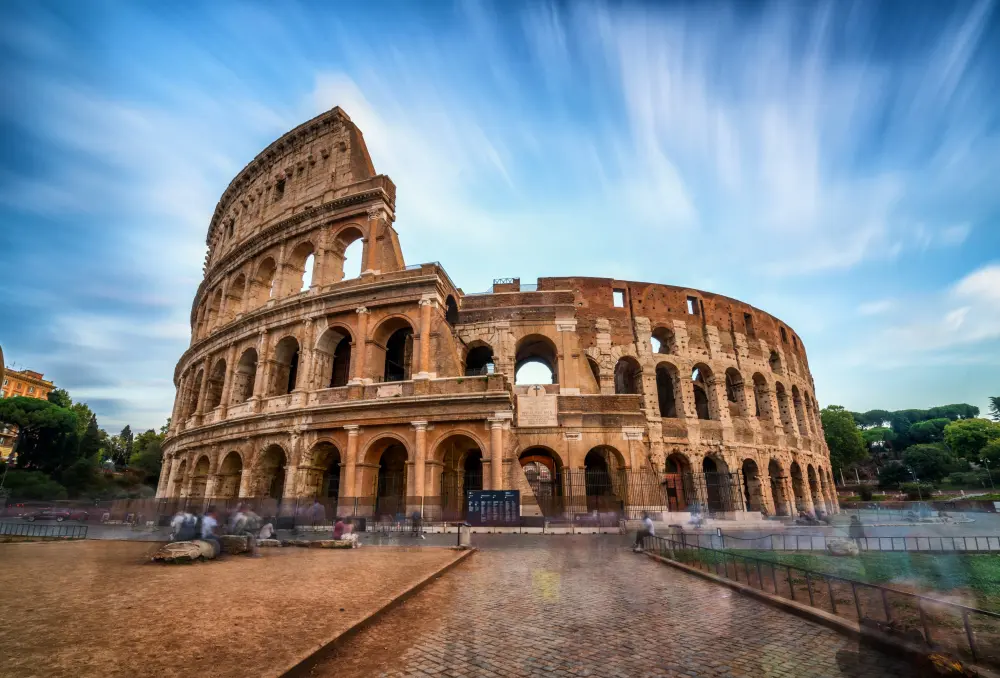
- Colosseum
- Vatican
- Local food tours
Days 9 to 12: Barcelona
- Sagrada Familia
- Beach time
- Tapas and nightlife
This route balances culture, history, and relaxation without rushing.
Common Mistakes to Avoid
- Trying to visit too many countries
- Underestimating travel time
- Not booking major attractions early
- Ignoring budget planning
- Packing too much
Final Thoughts
Learning how to plan a european trip is about making intentional choices. Europe rewards travelers who balance structure with flexibility. When you choose the right countries, build a realistic budget, and plan a logical route, your trip becomes smoother and more enjoyable.
Take your time with the planning process, and remember that you do not need to see everything in one trip. Europe is always worth coming back to.