 By Elois da Costa
Planning a multi-city trip can seem complicated at first, but with a clear strategy, it becomes one of the most rewarding experiences for any traveler. This guide on how to plan a multi-city trip is designed for beginners who want to visit more than one destination without stress, without wasting time or money, and while making the most of every stage of the journey.
Traveling to multiple cities allows you to compare cultures, landscapes, and lifestyles within a single itinerary. The key is making smart decisions from the start, especially if this is your first time organizing this type of trip. Below, you will find a practical, realistic, and proven method to build an efficient itinerary, along with examples of ideal destinations to get started.
Table of Contents
- Why Choose a Multi-City Trip
- How to Plan a Multi-City Trip Step by Step
- Define the Real Purpose of Your Trip
- Choose Well-Connected Cities
- Calculate Travel Times Realistically
- Decide How Many Cities Are Too Many
- Organize Transportation Between Cities
- Book Accommodations Strategically
- Leave Room for the Unexpected
- Ideal Destinations for a First Multi-City Trip
- Madrid, Barcelona, and Valencia
- New York, Boston, and Washington, D.C.
- Paris, Amsterdam, and Brussels
- Common Mistakes When Planning a Multi-City Trip
- Frequently Asked Questions About How to Plan a Multi-City Trip
Why Choose a Multi-City Trip
A multi-city trip is ideal if you want to maximize your time and experience different lifestyles in one journey. Unlike a single-destination trip, this format requires better planning, but it also offers more variety and flexibility.
In addition, many regions of the world have excellent train, bus, or short-flight connections, making it easy to move between cities even for first-time travelers. Learning how to plan a multi-city trip will help you avoid unnecessary routes and enjoy each stop more fully.
How to Plan a Multi-City Trip Step by Step
1. Define the Real Purpose of Your Trip
Before choosing cities, ask yourself what kind of experience you want. A cultural trip is not the same as a relaxed or food-focused one. This step prevents you from ending up with an incoherent or exhausting itinerary.
A clear goal helps you filter destinations and decide how much time to spend in each city. This is essential when learning how to plan a multi-city trip without feeling overwhelmed.
2. Choose Well-Connected Cities
For beginners, connectivity is everything. Prioritize cities with direct train routes, nearby airports, or frequent bus connections. This reduces the risk of delays and simplifies logistics.
Avoid combinations that require multiple layovers or long transfers. A good multi-city trip should feel smooth, not like a constant race against the clock.
3. Calculate Travel Times Realistically
One of the most common mistakes is underestimating travel time. Do not just count the journey itself. Add transfers to and from airports or stations, waiting times, and possible delays.
As a general rule, if a transfer takes more than five hours, consider staying overnight in the departure city or removing one stop from your itinerary.
4. Decide How Many Cities Are Too Many
For a first trip, three cities are usually ideal. Four can work if distances are short. More than that often leads to fatigue and the feeling that you did not truly enjoy any place.
Learning how to plan a multi-city trip also means knowing when to stop. Fewer cities explored well is always the better choice.
5. Organize Transportation Between Cities
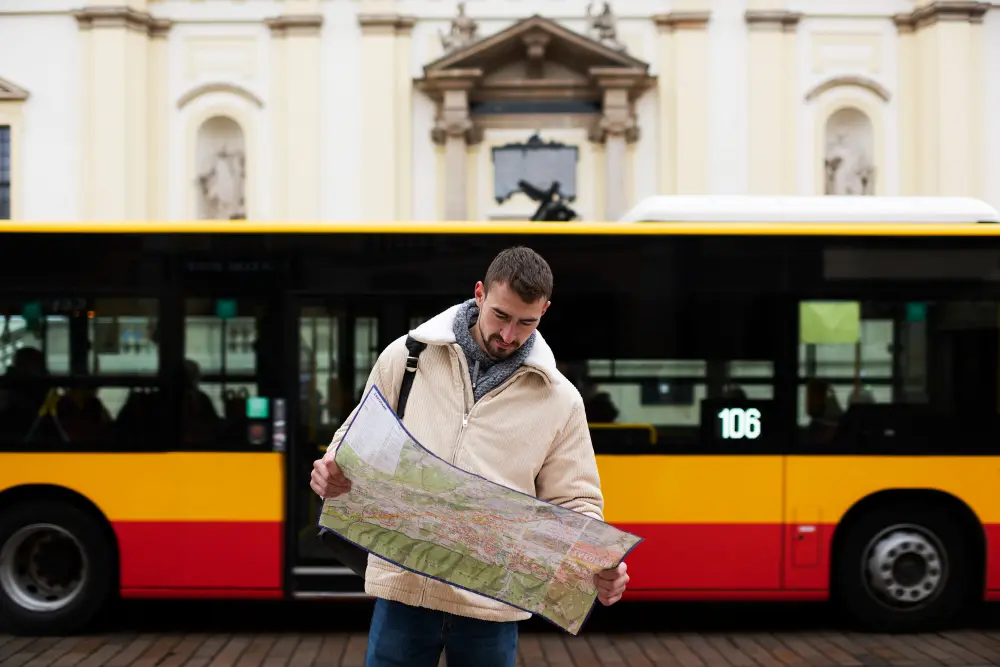
Book trains or domestic flights in advance, especially during high season. In Europe and the United States, trains are often more practical than flights for short distances.
Check luggage policies and schedules carefully. Choosing early departures allows you to make better use of the day when you arrive at your next destination.
6. Book Accommodations Strategically
Stay near central stations or well-connected areas. This saves time and money on local transportation, which is crucial on trips with multiple stops.
Do not change accommodations for a small price difference if it means long commutes or poorly connected neighborhoods.
7. Leave Room for the Unexpected
Do not plan every minute. Leave open blocks of time to rest, explore freely, or adapt to unexpected changes. This flexibility is essential when learning how to plan a multi-city trip without stress.
Ideal Destinations for a First Multi-City Trip

Madrid, Barcelona, and Valencia
Why it is ideal for beginners:
Spain offers high-speed trains, clear signage, and a traveler-friendly culture.
Type of traveler who will enjoy it most:
History lovers, food enthusiasts, and those who enjoy cities with a balanced pace.
Recommended number of days:
Madrid 3 days, Barcelona 3 days, Valencia 2 days.
Practical tip:
Buy train tickets in advance and avoid traveling on Friday afternoons, when prices tend to increase.

New York, Boston, and Washington, D.C.
Why it is ideal for beginners:
Distances are manageable, and train transportation is efficient and comfortable.
Type of traveler who will enjoy it most:
Urban travelers interested in museums, history, and modern culture.
Recommended number of days:
New York 4 days, Boston 2 days, Washington, D.C. 3 days.
Practical tip:
Book Amtrak trains early and choose assigned seats for longer routes.
Paris, Amsterdam, and Brussels
Why it is ideal for beginners:
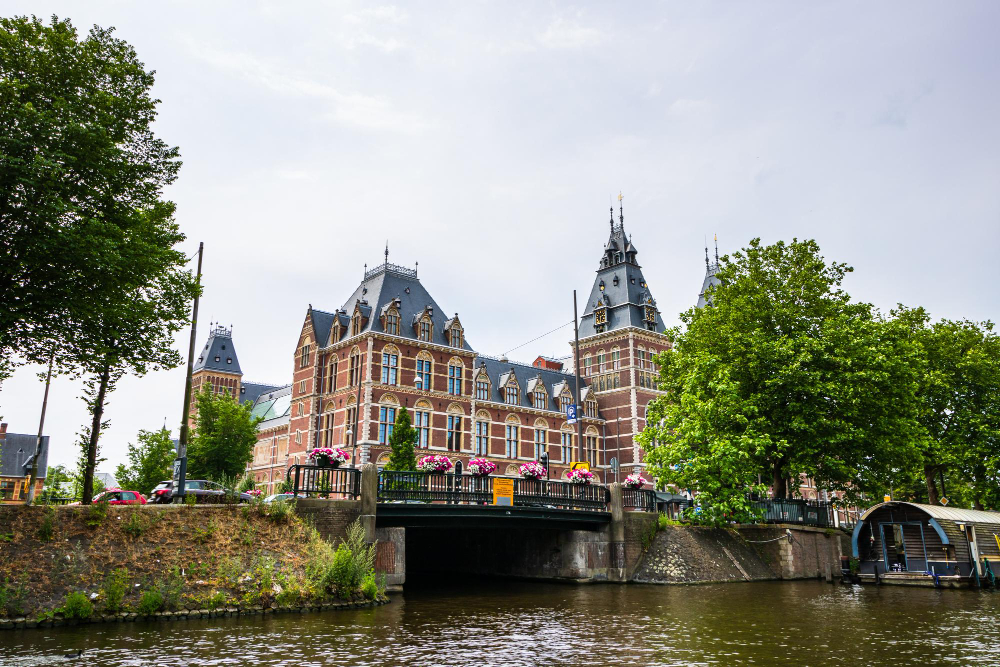
Three nearby cities with direct connections and excellent tourist infrastructure.
Type of traveler who will enjoy it most:
Cultural travelers, couples, and lovers of walkable cities.
Recommended number of days:
Paris 4 days, Amsterdam 3 days, Brussels 1 or 2 days.
Practical tip:
Arrive early at train stations, especially in Paris, where security checks can take longer than expected.
Common Mistakes When Planning a Multi-City Trip
- Trying to see too many cities in too few days.
- Not considering accumulated fatigue.
- Booking accommodations far from main transportation hubs.
- Ignoring the hidden costs of frequent transfers.
- Not checking actual arrival and departure times.
Avoiding these mistakes makes the difference between an exhausting trip and one that is truly enjoyable.
Frequently Asked Questions About How to Plan a Multi-City Trip
How can I plan a multi-city trip without overspending?
Prioritize nearby cities and use trains or ground transportation when possible. Booking in advance significantly reduces costs.
How many cities are recommended for a first trip?
Three cities is ideal for beginners. It allows you to explore without rushing and adjust to the travel rhythm.
How do I plan a multi-city trip if it is my first time traveling abroad?
Choose destinations with good English signage, efficient transportation, and centrally located accommodation options.
Is it better to book everything in advance or leave things open?
It is best to book transportation and accommodations while keeping activities flexible in each city.