 By Thomas Laic
How to plan a trip can feel overwhelming if you are doing it for the first time, but it does not have to be stressful. With a simple step by step approach, you can organize everything clearly and actually enjoy the process. This beginner friendly guide breaks travel planning into manageable actions so you feel confident before you even pack your bags.
Table of Contents
- How to Plan a Trip Step by Step Overview
- Step 1: Decide Your Destination and Dates
- Step 2: Set a Realistic Travel Budget
- Step 3: Research Flights and Transportation
- Step 4: Book Accommodation Wisely
- Step 5: Plan Your Itinerary Simply
- Step 6: Prepare Travel Documents and Insurance
- Step 7: Pack Smart and Stay Organized
- FAQs About How to Plan a Trip
How to Plan a Trip Step by Step Overview
Learning how to plan a trip is all about making decisions in the right order. You start with big picture choices like where and when, then move into details like bookings and packing. This structure helps avoid last minute stress and unnecessary expenses.

Step 1: Decide Your Destination and Dates
The first step in how to plan a trip is choosing where you want to go and how long you can stay. Think about weather, season, and personal interests like food, culture, or nature. If you are flexible with dates, you can often find cheaper flights and hotels.
A short list of two or three destinations is helpful before you commit to one.

Step 2: Set a Realistic Travel Budget
Budgeting is essential when learning how to plan a trip. Decide how much you can comfortably spend, then divide it into categories like flights, accommodation, food, activities, and extras.
Here is a simple breakdown:
- Transportation
- Lodging
- Daily meals
- Activities and tours
- Emergency buffer
Having a clear budget keeps your expectations realistic and your planning focused.

Step 3: Research Flights and Transportation
Once your budget is clear, start researching flights and local transportation. Use comparison tools and check different departure days to find better prices. When planning how to plan a trip efficiently, booking flights earlier usually saves money.
Also check how you will move around at your destination, such as public transit, car rentals, or walking.

Step 4: Book Accommodation Wisely
Accommodation affects both comfort and budget. When learning how to plan a trip, beginners should prioritize location over luxury. Staying near main attractions or transit can save time and money.
Read recent reviews, confirm cancellation policies, and avoid booking without clear photos or descriptions.

Step 5: Plan Your Itinerary Simply
You do not need a packed schedule to enjoy a trip. A good rule for how to plan a trip is choosing one or two main activities per day. This leaves room for rest and spontaneous discoveries.
If you want inspiration, check out my related guide on creating a flexible travel itinerary for first time travelers. You can also explore official tourism websites for accurate attraction information, such as local visitor bureaus or https://www.usa.gov/travel for international travel basics.
Step 6: Prepare Travel Documents and Insurance
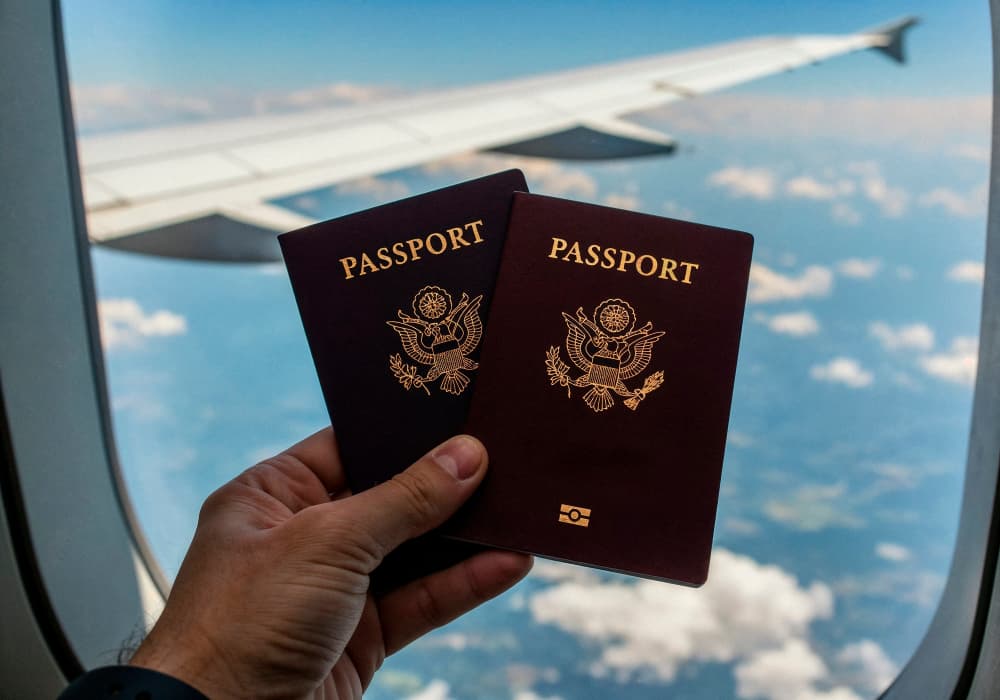
Documents are a crucial part of how to plan a trip safely. Check passport validity, visa requirements, and entry rules well in advance. Travel insurance is also recommended, especially for medical coverage and cancellations.
Keep digital and printed copies of important documents in separate places.

Step 7: Pack Smart and Stay Organized
Packing is easier when you plan outfits around activities and weather. Make a checklist a few days before departure so you do not forget essentials. Understanding how to plan a trip includes knowing that overpacking often causes more stress than convenience.
Stick to versatile clothing and leave space for souvenirs.
FAQs About How to Plan a Trip
How far in advance should I plan a trip?
For beginners learning how to plan a trip, start planning at least two to three months ahead. This gives you better prices and more availability.
Is it better to book flights or hotels first?
Flights usually come first when deciding how to plan a trip. Once flights are booked, you can choose accommodation based on your arrival details.
How do I avoid overspending while traveling?
Set a daily spending limit and track expenses. Budget awareness is a core part of how to plan a trip responsibly.
Do I need travel insurance for short trips?
Yes, travel insurance is helpful even for short trips. It protects you from unexpected medical or cancellation costs.