 By Elois da Costa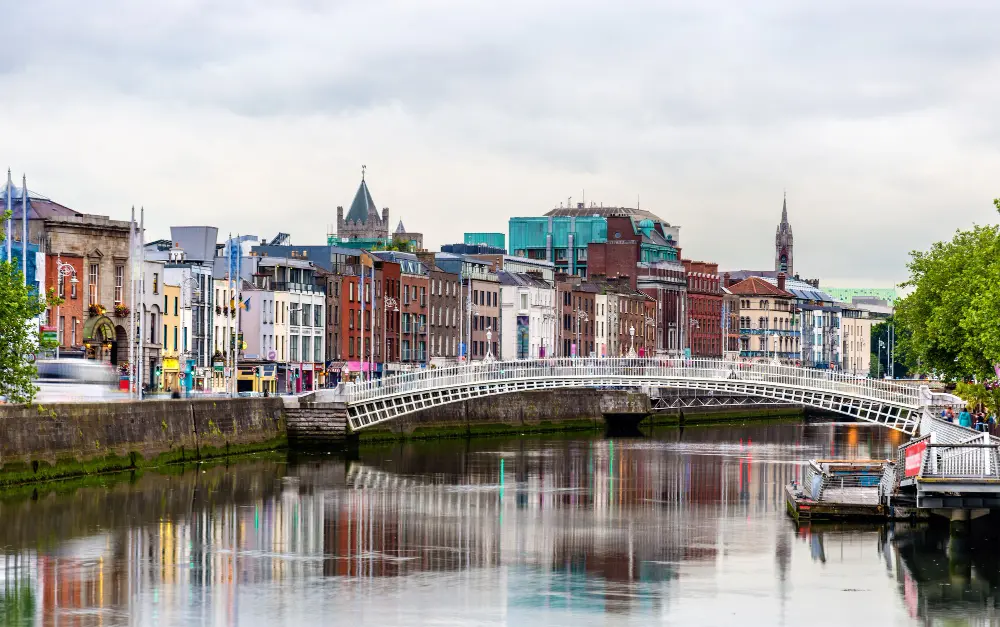
If you’re wondering how to plan a trip to Ireland, the short answer is: start early, stay flexible, and pack a rain jacket. Ireland is one of Europe’s most rewarding destinations, with dramatic coastal cliffs, ancient castles, welcoming pubs, and scenery that genuinely looks like a painting. This guide walks you through every step, from picking your travel dates to figuring out what to pack, so you can show up prepared and make the most of every single day on the island.
When to Go: Picking the Right Time to Visit
Ireland doesn’t really have a “bad” time to visit, but it does have better seasons depending on what you’re looking for. The most popular window runs from May through September, when temperatures are mild (around 60-68°F), daylight stretches well past 9 PM in summer, and most tourist attractions are fully open. According to Ireland’s official tourism board, Tourism Ireland, July and August draw the biggest crowds, which means higher prices and busier roads.
If you prefer a quieter experience, consider shoulder season. April and October offer fewer tourists, green landscapes, and hotel rates that are noticeably more affordable. Winter travel (November through February) is possible too, especially if you’re drawn to cozy pub culture and don’t mind shorter days and frequent rain.
One important note: the weather in Ireland is famously unpredictable. You can experience all four seasons in a single afternoon. Plan your wardrobe and your itinerary with that in mind.

Getting There: Flights and Entry Requirements
Most travelers fly into Dublin Airport, Ireland’s largest international hub, though Shannon and Cork airports also receive international flights. For the best fares, use Google Flights to compare Ireland routes across multiple airlines and dates. Booking 6-10 weeks in advance typically gives you the best combination of price and seat availability.
U.S. and Canadian citizens do not need a visa to enter Ireland for stays up to 90 days. Citizens of EU and EEA countries can enter freely. For current entry requirements and any travel advisories, check the U.S. Embassy in Ireland or the official Irish government immigration portal before you book.
One practical tip: if you plan to visit Northern Ireland as well (which is part of the United Kingdom), you’re crossing into a different country. No visa is required for most nationalities, but be aware that prices are in British pounds, not euros, and some travel insurance policies treat it as a separate destination.
How Long to Stay and How to Structure Your Itinerary
A week is a solid baseline for a first trip to Ireland, though 10 to 14 days lets you breathe and explore beyond the highlights. Here’s a general framework that works well for most travelers:
Days 1-2: Dublin. Arrive, recover from jet lag, and walk the city. Visit Trinity College and the Book of Kells, stroll through St. Stephen’s Green, and spend an evening in the Temple Bar area. Dublin is walkable and well-connected by public transit.
Days 3-4: The Wild Atlantic Way (West Coast). Head west to Galway, then south toward the Cliffs of Moher. The Cliffs of Moher visitor experience draws over 1.5 million visitors per year for good reason. The views are extraordinary, and the walking trails along the cliff edge are unlike anything else in Europe.
Days 5-6: Ring of Kerry or Connemara. These two regions represent Ireland at its most dramatic. The Ring of Kerry is a 111-mile loop through mountains, coastline, and small fishing villages. Connemara, further north, is wilder and less traveled.
Day 7: Return to Dublin or fly home from Shannon. If you’re flying out of Shannon, you can clear U.S. customs and immigration before you board (Shannon has a U.S. pre-clearance facility), which saves significant time on arrival.

Transportation: Renting a Car vs. Public Transit
This is one of the most important decisions when figuring out how to plan a trip to Ireland, and honestly, renting a car is the right call for most travelers. Public transportation works well between major cities, but the countryside, which is where much of Ireland’s beauty lives, is best explored by car.
A few things to know before you rent: Ireland drives on the left side of the road. Country roads can be extremely narrow, sometimes barely wide enough for two cars to pass. Manual transmission is the default; if you need an automatic, request it specifically and book early since availability is limited.
Use Expedia’s car rental search for Ireland to compare rates across agencies. You’ll generally find better prices booking in advance rather than at the airport counter. An international driving permit isn’t required for most nationalities, but carry your home country license and verify with your rental company.
If you’re staying in Dublin and don’t plan to leave the city, the bus and LUAS tram systems are efficient and affordable. The Irish Rail network also connects Dublin to Cork, Galway, Limerick, and other cities.

Where to Stay: Accommodation Options for Every Budget
Ireland has accommodation for every type of traveler. In Dublin, you’ll find everything from boutique hotels to hostels a short walk from the main attractions. For rural areas, consider booking a traditional Irish guesthouse or a B&B. These are often family-run, include a full Irish breakfast (eggs, sausage, black pudding, toast, and strong tea), and give you a much more local experience than a chain hotel.
For unique stays, Ireland has an impressive collection of castle hotels. Properties like Ashford Castle and Dromoland Castle let you sleep in a genuine medieval setting. These are splurge-worthy options if your budget allows.
Search Airbnb Ireland listings for cottages, farmhouses, and rural homes that aren’t listed on traditional hotel platforms. Many travelers find that a self-catering cottage for a week costs less than a comparable hotel and offers more space, a kitchen, and a far more immersive experience.

Money, Tipping, and Practical Details
Ireland uses the euro (EUR) in the Republic of Ireland. Northern Ireland uses British pounds (GBP). ATMs are widely available and typically offer better exchange rates than airport currency counters. Most restaurants, shops, and guesthouses accept credit cards, but it’s worth carrying some cash for smaller pubs and rural areas.
Tipping is appreciated but not as obligatory as in the United States. Rounding up at a restaurant or leaving 10-15% for good service is common. You generally don’t tip in pubs when ordering drinks at the bar.
Ireland uses Type G electrical outlets (the same three-pin rectangular plugs as the UK). If you’re traveling from North America, bring a universal adapter. The voltage is 230V, so check that your devices are compatible before plugging them in.
What to Pack
Weather versatility is the guiding principle. Bring layers, a waterproof jacket (non-negotiable), comfortable walking shoes that can handle mud and uneven terrain, and at least one warmer layer even in summer. Don’t overpack, because many Irish roads and accommodations involve stairs, narrow doorways, and limited storage space. A medium-sized carry-on or soft duffel bag works better than a large hard-shell suitcase for navigating the countryside.
Final Thoughts
Learning how to plan a trip to Ireland comes down to a few core decisions: when to go, how to get around, and how much time you have. Everything else, which pubs to visit, which hiking trails to take, which small towns deserve an extra hour, falls into place once you’re there. Ireland is the kind of place that rewards curiosity and slow travel. Don’t try to see everything. Pick a region, get comfortable, and let the place surprise you.