 By Elois da Costa
If you want to plan a trip to Universal Studios without overspending, the key is to control four major variables before you book anything: travel dates, ticket type, hotel strategy, and daily park planning. When you align those decisions intentionally, you reduce unnecessary upgrades, avoid peak pricing, and eliminate impulse expenses inside the park. This guide walks you through exactly how to do it, step by step, so your vacation feels exciting and financially smart at the same time.
Universal Studios vacations can escalate quickly in cost. Between park tickets, add ons like Express Pass, themed dining, and merchandise, it is easy to exceed your original budget. The good news is that with structured planning, you can enjoy the rides, shows, and immersive lands without sacrificing your savings.
Step 1: Choose the Right Universal Destination
Before booking anything, clarify which Universal location fits your goals and trip length.
You typically have two main U.S. options:
- Universal Orlando Resort in Florida
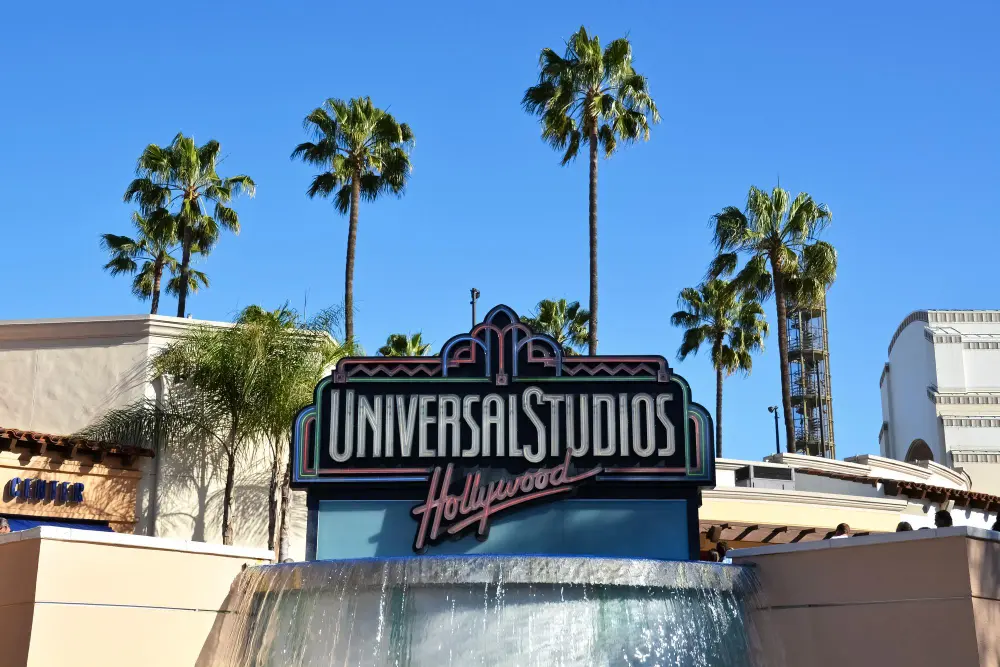
- Universal Studios Hollywood in California
You can compare ticket structures and park layouts directly on the Universal Orlando official website and the Universal Studios Hollywood tickets page.
Orlando offers multiple parks and more hotel tiers. Hollywood is a single park with a working studio tour and a more compact layout. If you only have one day, Hollywood can be easier to manage. If you have three to five days, Orlando offers better value per day because multi day tickets reduce your daily cost.
Choosing the correct destination first prevents overbooking park days you do not need.

Step 2: Travel During Lower Demand Periods
One of the most powerful ways to plan a trip to Universal Studios affordably is selecting the right travel window.
Peak pricing typically occurs during:
- Spring break weeks
- Summer vacation, June through August
- Thanksgiving week
- Christmas through New Year
Lower demand periods often include:
- Late January through early February
- Late August through September
- Early November, excluding holidays
Crowd levels directly impact your spending. High crowd days increase wait times, which makes visitors more likely to purchase Express Pass upgrades.
Flight prices also shift with demand. Use tools like the Google Flights price calendar to compare departure days across an entire month. According to the U.S. Department of Transportation’s Air Travel Consumer Report, peak holiday travel significantly affects airfare pricing patterns.
If you are visiting Florida during hurricane season, check the official updates from the National Hurricane Center seasonal outlook before finalizing dates. Late summer may be cheaper, but weather risk increases.
Timing is not just about comfort. It is a direct budget strategy.

Step 3: Understand Ticket Types Before Purchasing
Universal ticket options can be confusing. Buying the wrong one often leads to paying twice.
Common ticket types include:
- One park per day
- Park to park
- Multi day tickets
- Express Pass add ons
If you want to ride the Hogwarts Express between parks in Orlando, you must purchase a park to park ticket. Many first time visitors do not realize this until after buying single park access.
To avoid overspending:
- Buy one park per day if you only care about one park
- Choose multi day tickets if staying three or more days, since per day pricing drops
- Skip Express Pass unless you truly need it
Express Pass can nearly double your daily ticket cost. Before purchasing, ask yourself:
- Are you traveling during peak season?
- Is this a one time visit?
- Do you only have one park day?
If you arrive at opening time and follow a structured ride plan, you may not need Express at all.
You can also compare bundled packages through reputable platforms like Expedia vacation packages to see whether flight and hotel bundles lower your overall cost.

Step 4: Choose a Hotel That Matches Your Strategy
Your hotel decision affects transportation, early park access, and whether you need upgrades.
On Site Value Hotels
Universal Orlando offers value tier resorts that include:
- Early park admission
- Complimentary transportation
- Themed environment
Early admission allows you to ride top attractions before general crowds arrive. This often eliminates the need for Express Pass.
Premium On Site Hotels
Some premium hotels in Orlando include complimentary Express Pass for guests. During high season, this can be financially smart. Compare:
- Standard hotel plus Express Pass
- Premium hotel with Express included
Sometimes the premium option becomes the better deal.
Off Site Hotels or Vacation Rentals
You can compare off site accommodations using platforms such as Airbnb listings in Orlando. Always check:
- Resort fees
- Parking costs
- Daily transportation expenses
- Travel time
A cheaper nightly rate can become more expensive when you factor in parking and commute time.
When you plan a trip to Universal Studios with hotel alignment in mind, you remove unnecessary add ons later.

Step 5: Create a Daily Ride Strategy
Lack of planning inside the park leads to emotional spending.
Use this daily framework:
- Arrive 30 to 45 minutes before opening
- Ride the most popular attractions first
- Schedule shows during peak ride hours
- Eat lunch early or late
- Shop at the end of the day
This structure reduces wait time frustration, which often triggers impulse purchases like Express upgrades.
Download the official Universal app before arrival. Monitor wait times in real time and use mobile food ordering to reduce time standing in lines.
Efficiency equals savings.

Step 6: Control Food Expenses Without Missing Iconic Items
Food inside theme parks is expensive. Individual meals often range between $18 and $25 per person.
According to the USDA’s Food Price Outlook report, food away from home costs have steadily increased nationwide. Theme park pricing reflects this trend.
Cost conscious strategies include:
- Eat a full breakfast before entering
- Share larger portion meals
- Bring refillable water bottles
- Set a daily food budget
You should still plan for one or two iconic treats, such as Butterbeer. The difference is that you schedule it into your budget instead of buying snacks impulsively throughout the day.

Step 7: Set a Merchandise Cap Before Arrival
Themed merchandise is one of the biggest overspending triggers.
Popular purchases include:
- Interactive wands
- Character apparel
- Limited edition collectibles
Before entering stores, decide your total merchandise allowance. For example:
- $50 per adult
- $40 per child
Photograph items first. Revisit at the end of the day before buying. This cooling off method prevents regret purchases.
Planning removes emotional spending.

Step 8: Evaluate Transportation Carefully
If flying into Orlando, compare:
- Rental car
- Ride share services
- Hotel shuttle
The Orlando International Airport official website provides updated transportation information and ground options.
If staying on site, you may not need a rental car at all. Eliminating a multi day rental, plus parking fees, can save hundreds of dollars.
In Hollywood, staying near the park and using ride share can often be more economical than renting a vehicle and paying daily parking fees.
Transportation decisions impact your total trip cost more than most people expect.

Step 9: Build a Complete Trip Budget Framework
When you plan a trip to Universal Studios, break your total budget into structured categories:
- Flights
- Hotel
- Tickets
- Express or upgrades
- Food
- Merchandise
- Transportation
- Emergency buffer
Allocate percentages before booking anything. For example:
- 30 percent flights
- 30 percent hotel
- 20 percent tickets
- 10 percent food
- 5 percent merchandise
- 5 percent buffer
Adjust based on your priorities. If rides matter most, allocate more to tickets. If comfort matters more, allocate more to hotel.
Budgeting is not about restriction. It is about clarity.

Step 10: Protect Your Investment
Review airline cancellation policies before booking discount fares. Flexible fares may cost slightly more but prevent major losses if plans change.
Travel insurance is another protective measure. Compare policies carefully and read coverage details to understand what is included.
A small upfront planning investment prevents larger financial stress later.
Final Thoughts
To plan a trip to Universal Studios without overspending, you need intentional structure. Choose lower demand dates, understand ticket differences, align your hotel with your park strategy, and build a realistic daily plan before you arrive.
Most overspending happens inside the park due to lack of clarity. When you remove uncertainty, you remove pressure.
The goal is not to spend the least amount possible. The goal is to spend wisely, prioritize experiences that matter most to you, and return home with memories instead of financial regret.
With the right planning approach, Universal Studios can be thrilling, immersive, and financially balanced at the same time.
Visit our Travel Tips for more!