 By Elois da Costa
Learning how to plan flexible trips is one of the most valuable skills for anyone who wants to travel without stress, without rigid itineraries, and with the freedom to adapt to unexpected changes. For many beginners, the idea of not having everything locked in can sound chaotic, but it is actually one of the smartest ways to travel, especially when time, budget, or circumstances can change.
Traveling flexibly does not mean improvising everything. It means designing a plan that allows you to adjust routes, dates, and activities without losing control. In this practical guide, you will learn how to structure flexible trips from scratch, which destinations work best for this style, and how to avoid common mistakes on your first experience.
Table of Contents
- What it really means to plan flexible trips
- Benefits of learning how to plan flexible trips
- 7 key principles for planning flexible trips
- Ideal destinations for flexible travel
- Mexico City
- Lisbon
- Thailand
- Colombia
- Common mistakes when planning flexible trips
- Frequently asked questions about how to plan flexible trips
What It Really Means to Plan Flexible Trips
Planning flexible trips means creating a basic structure without blocking every hour of the day. It is about deciding the essentials, such as arrival flights, areas where you will stay, and top priorities, while leaving room for changes, rest, or unexpected discoveries.
This approach is especially useful for beginners because it reduces the pressure of following unrealistic itineraries. It also allows you to take advantage of local recommendations, weather changes, or new opportunities without feeling like you are ruining your original plan.
How to Plan Flexible Trips From the Start
When thinking about how to plan flexible trips, the first step is accepting that not everything will go exactly as you imagined, and that is okay. Flexibility does not eliminate planning. It makes it smarter and more realistic.
Benefits of Learning How to Plan Flexible Trips
Traveling with flexibility has clear advantages, especially if it is your first or second international trip.
- Reduces stress from delays or plan changes.
- Allows you to adjust your budget along the way.
- Makes it easier to travel slower and enjoy each place more.
- Helps avoid the exhaustion of overloaded itineraries.
For remote workers, solo travelers, or people who combine vacation with work, this type of planning becomes almost essential.
7 Key Principles for Planning Flexible Trips
1. Define priorities, not rigid schedules
Decide what is essential and what is optional. This helps you move activities around without feeling like you are missing something important.
2. Book accommodations with free cancellation
This is a basic rule of how to plan flexible trips. It allows you to change cities or extend your stay without penalties.
3. Use adaptable transportation
Choose trains, buses, or regional flights that are easy to change. Avoid connections that are too tight.
4. Plan by areas, not endless lists
Exploring one area per day gives you room to rest or improvise without crossing the city multiple times.
5. Leave free days on purpose
A day with no plans is not wasted time. It is space to recharge or explore something unexpected.

6. Research, but do not book everything
Knowing what options exist allows you to decide as you go, without pressure.
7. Be open to changing your mind
Part of how to plan flexible trips is understanding that your preferences may change during the journey.
Ideal Destinations for Flexible Trips
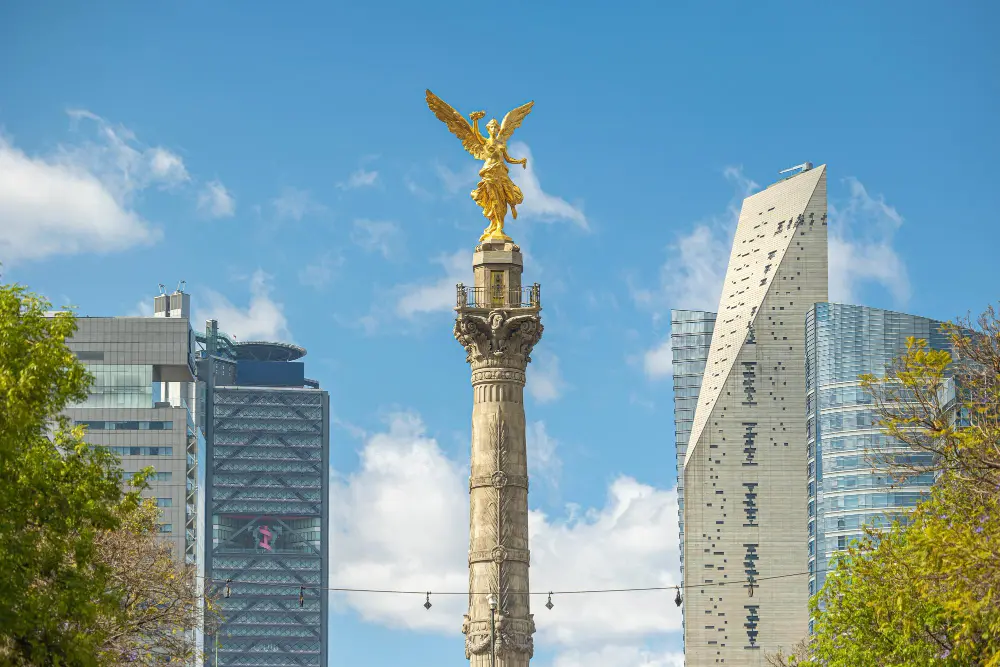
Mexico City
Why it is ideal for beginners
Mexico City has excellent public transportation, multiple well connected neighborhoods, and a huge variety of activities. This makes it easy to modify plans without complications.
What type of traveler will enjoy it most
Curious travelers, culture and food lovers, and those who want to combine an urban pace with quieter spaces.
Recommended length of stay
Between 5 and 7 days allows you to explore at a relaxed pace and adjust your rhythm based on your energy.
Practical tip for a first visit
Stay in areas like Roma, Condesa, or Coyoacan. Avoid planning long commutes during rush hours, especially between 7 to 9 a.m. and 5 to 7 p.m.

Lisbon
Why it is ideal for beginners
Lisbon is compact, walkable, and well connected by trams and regional trains. You can decide on day trips with almost no advance planning.
What type of traveler will enjoy it most
Relaxed travelers, couples, and people who enjoy walking without rushing.
Recommended length of stay
From 4 to 6 days, with the option to add Sintra or Cascais depending on the weather.
Practical tip for a first visit
Buy a rechargeable transportation card. Avoid climbing too many hills in one day to prevent exhaustion.

Thailand
Why it is ideal for beginners
Thailand has a very flexible tourist infrastructure, with frequent transportation and accommodation options for all budgets.
What type of traveler will enjoy it most
Backpackers, solo travelers, and those looking to combine culture, beaches, and nature.
Recommended length of stay
Between 10 and 14 days allows you to change routes based on the weather or your interests.
Practical tip for a first visit
Do not book all islands in advance. The weather can change, and some ferry routes are easier to adjust on the go.
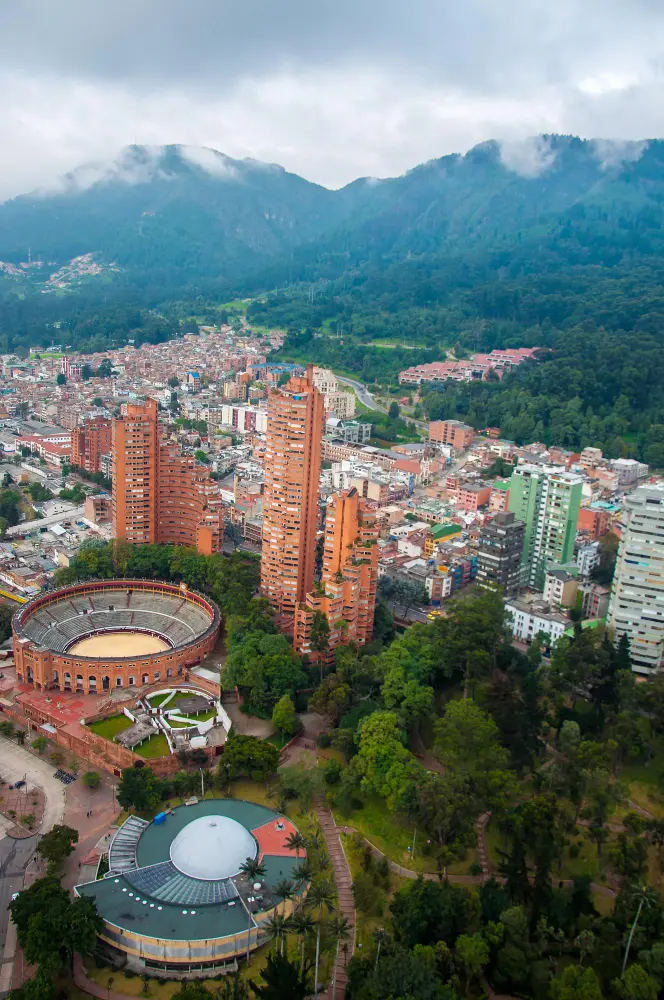
Colombia
Why it is ideal for beginners
Colombia offers affordable domestic flights and well connected cities, making it easy to change destinations without high costs.
What type of traveler will enjoy it most
Cultural travelers, coffee lovers, and those looking for a variety of landscapes.
Recommended length of stay
From 7 to 12 days, depending on how many cities you want to explore.
Practical tip for a first visit
Plan domestic flights with extra buffer time. Avoid very tight itineraries between Medellin, Cartagena, and Bogota.
Common Mistakes When Planning Flexible Trips
One of the most common mistakes when learning how to plan flexible trips is confusing flexibility with a lack of planning. Not defining priorities, not researching basic options, or not checking cancellation policies can create unnecessary stress.
Another common mistake is trying to “make the most” of every single day as if it were the last. Flexibility also means resting and listening to your own pace.
Frequently Asked Questions About How to Plan Flexible Trips
How can I plan flexible trips without spending more money?
Choosing accommodations with free cancellation and adaptable transportation often saves money in the long run by avoiding penalties and expensive changes.
How do I plan flexible trips if it is my first international trip?
Start with well connected and safe destinations. Define a clear base and leave secondary details open.
How can I plan flexible trips and still feel safe?
Research options in advance, save information offline, and keep a base plan that you can adjust.
How do I plan flexible trips if I only have a few days?
Focus on a single city or region. Flexibility depends on your approach, not the length of the trip.