 By Thomas Laic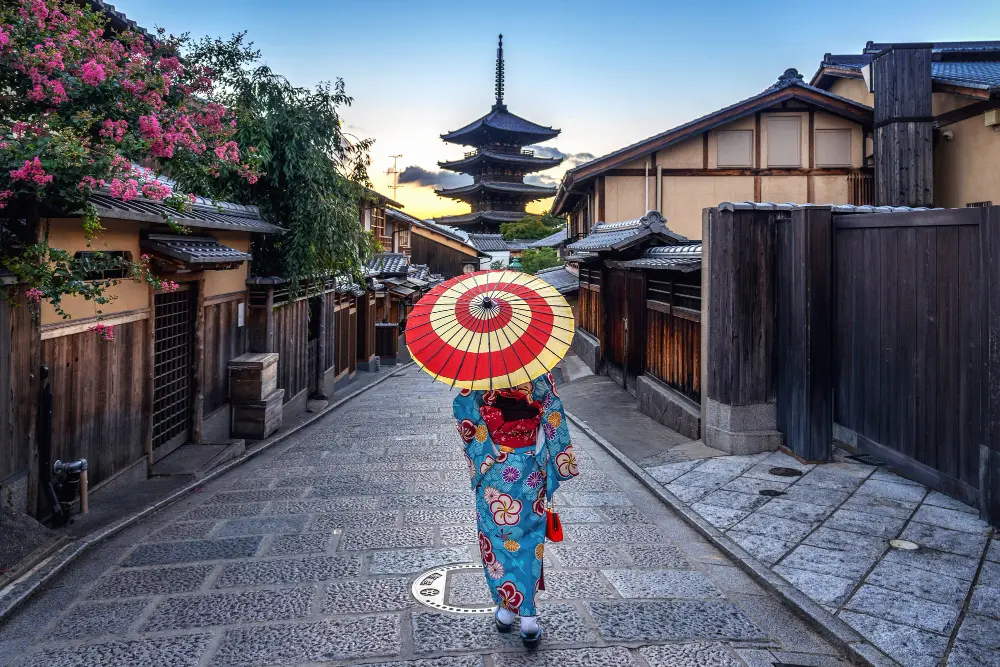
Japan is often the “final boss” of travel destinations. It is a place where the future meets the past, where neon-lit skyscrapers sit comfortably next to ancient wooden temples, and where the food is consistently the best you will ever eat. It is the dream trip for millions. However, there are some essential things to know before visiting Japan, including unwritten rules, complex transport systems, and subtle cultural nuances, that can trip up even the most seasoned traveler.
I remember my first trip vividly. I arrived with a suitcase full of excitement and a pocket full of assumptions and I spent the first 48 hours making mistakes that cost me time, money, and a little bit of dignity. I bought the wrong train tickets. I walked into places I wasn’t supposed to with my shoes on. I stood on the wrong side of the escalator.
You don’t have to learn the hard way. Whether you are heading to the bustling streets of Tokyo, the Zen gardens of Kyoto, or the snowy peaks of Hokkaido, a little preparation goes a long way. This isn’t just a list of rules; it’s a strategy guide to help you navigate the culture shock and focus on the magic.
Here are the 10 things I wish I knew before visiting Japan, so you don’t have to make the same mistakes I did.
1. The JR Pass Is No Longer a “No-Brainer”
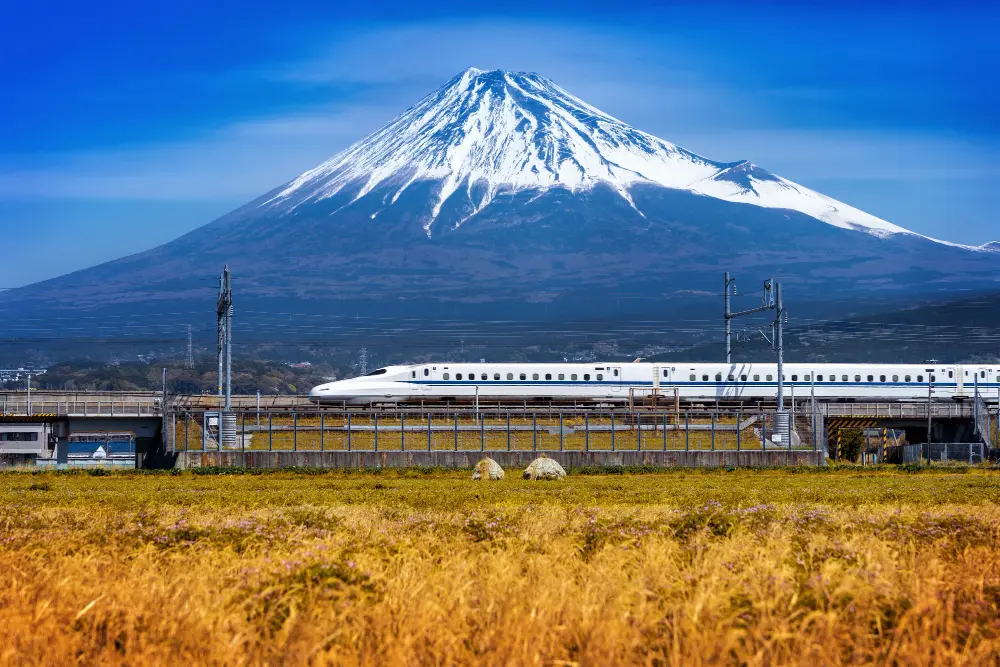
For decades, the advice for any tourist was simple: “Buy the Japan Rail (JR) Pass.” It was the golden ticket to unlimited travel. However, following massive price hikes in late 2023, the math has changed completely.
The Mistake: Blindly purchasing a 7-day or 14-day JR Pass assuming it will save you money. In 2026, a 7-day pass costs over ¥50,000 (approx. $300+ USD). If you are simply doing the classic “Golden Route” (Tokyo -> Kyoto -> Osaka -> Tokyo), you will likely lose money buying the pass compared to purchasing individual Shinkansen (bullet train) tickets.
The Fix: Use a “JR Pass Calculator” online before you fly. Punch in your itinerary. If you aren’t traveling long distances daily (e.g., going from Tokyo to Hiroshima and back in a week), you are better off buying single tickets.
- Pro Tip: If you skip the pass, you can ride the Nozomi and Mizuho trains—the fastest bullet trains which are actually restricted for JR Pass holders. This gets you to Kyoto 30 minutes faster!
2. Trash Cans Are Practically Mythical Creatures
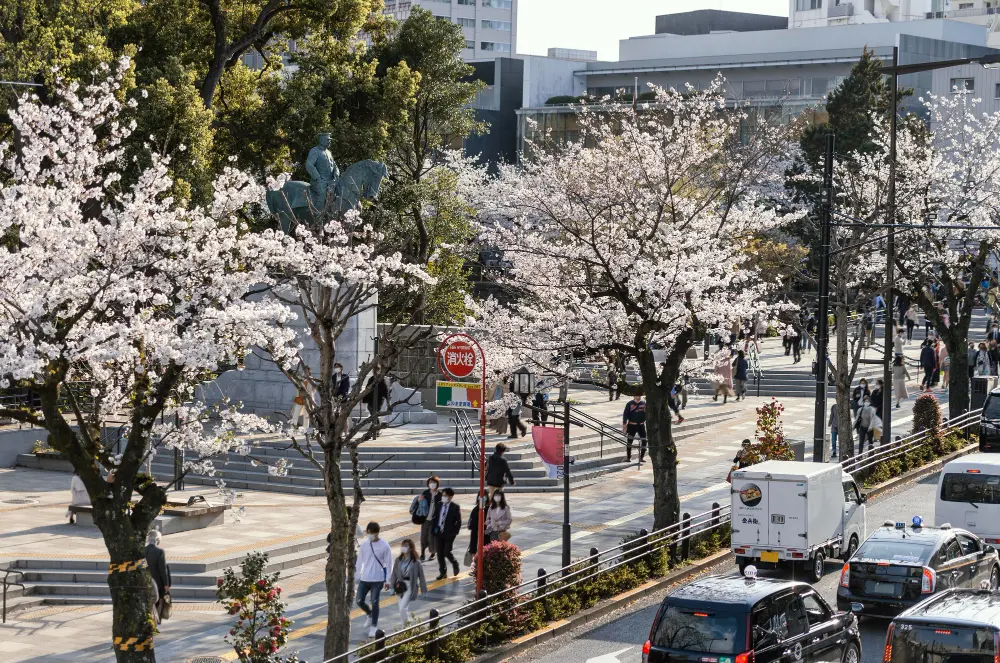
You will walk down the pristine streets of Tokyo and notice two things: 1) There is absolutely no litter, and 2) There are absolutely no trash cans.
The Mistake: Buying a coffee, a rice ball, and a snack, finishing them while walking, and then realizing you have to carry the sticky wrappers for the next four hours. Japan removed many public bins after the 1995 sarin gas attacks as a security measure. Culturally, people are expected to take their trash home with them.
The Fix: Carry a “trash ziplock” in your day pack. This is a designated plastic bag where you store your own garbage until you find a bin.
- Where to find bins: If you are desperate, check convenience stores (conbini), train station platforms (usually near the vending machines), or next to vending machines on the street (though these are strictly for bottles and cans).
3. “Cashless” Is Growing, But Cash Is Still King
There is a misconception that Japan is a futuristic technopolis where you pay for everything with a retina scan. While major cities have rapidly adopted contactless payments (especially post-2020), the reality is more analog.
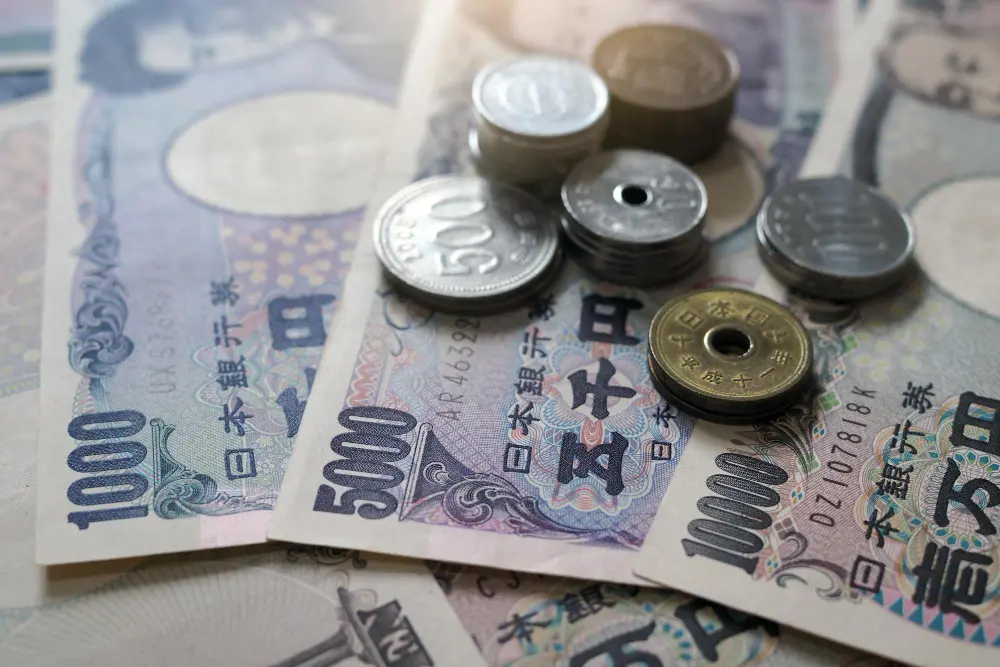
The Mistake: Relying entirely on Apple Pay or credit cards and getting stuck at a ticket machine or a traditional ramen shop that only takes cash. Many of the best experiences, street food stalls, older izakayas (pubs), temple entry fees, and recharging your transit card, often strictly require cash.
The Fix: Always carry at least ¥10,000 to ¥20,000 (approx $70–$140 USD) in cash.
- The 7-Eleven Savior: If you need cash, head to a 7-Eleven. Their ATMs are open 24/7, have English interfaces, and accept almost all foreign debit cards with fair exchange rates. Avoid airport currency exchanges if you can; the markup is painful.
4. Don’t Be a “Gaijin Smash” Walker (The Walking Etiquette)
“Gaijin Smash” is a slang term for foreigners who aggressively ignore local norms. One of the easiest ways to spot a tourist is by how they walk and eat.
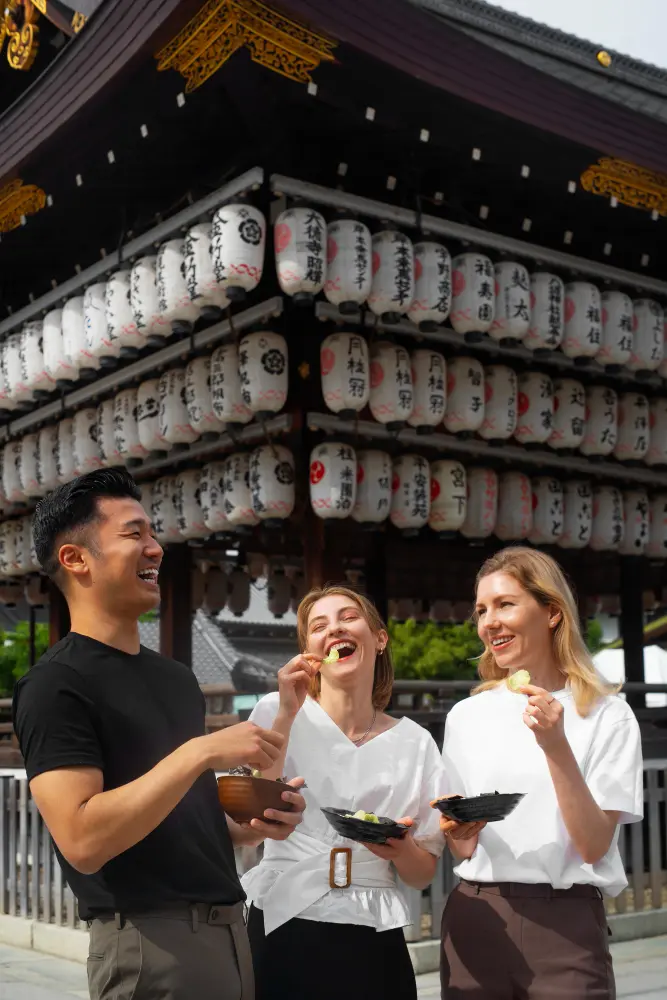
The Mistake: Walking down the street while chomping on a sandwich or sipping a latte. In Japan, walking and eating (tabearuki) is generally considered sloppy and rude. It risks spilling food on other people or the clean streets.
The Fix: If you buy street food, stand near the stall to eat it. Most vendors have a designated standing area. Finish your food, return the trash to the vendor (they will take it!), and then continue walking.
- Escalator Etiquette: Stand on the left side in Tokyo. Stand on the right side in Osaka. If you stand in the middle, you will block the rush-hour commuters, and you will feel their silent judgment burning into your back.
5. The “Reservation War” Is Real (Book Early!)
Japan is currently experiencing a massive tourism boom. The days of “just showing up” to popular attractions are gone.
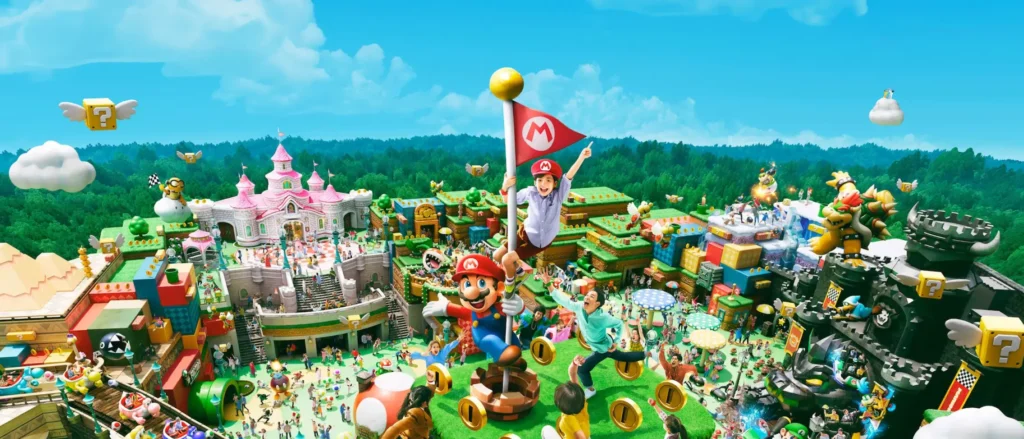
The Mistake: Assuming you can buy tickets for Shibuya Sky, TeamLab Planets, the Ghibli Museum, or Universal Studios Japan on the day of your visit. These venues sell out weeks, sometimes months, in advance. I have seen countless travelers crying outside the Ghibli Museum because they didn’t know tickets go on sale on the 10th of the previous month and sell out in 20 minutes.
The Fix: Build your itinerary around these “Anchor Activities.” Set an alarm on your phone for when ticket sales open (usually 30 days prior).
- Theme Park Restaurants: This applies to food, too. If you want to eat at the Kirby Cafe or the Pokemon Cafe, you need to be on the reservation site the second bookings open. It is a competitive sport.

6. Google Maps Is Great, But Watch the “Exits”
Google Maps is essential in Japan, but it has a specific feature you must pay attention to: the Exit Number.
The Mistake: Navigating to “Shinjuku Station” without checking which exit you need. Shinjuku Station is the busiest transport hub in the world. It has over 200 exits. If you take the West Exit when you needed the East Exit, you could be a 20-minute walk away from your destination, separated by impassable highways and confusing tunnels.
The Fix: When Google Maps says “Take Exit B14,” follow the yellow signs in the station ceiling for B14 specifically. Do not just follow signs for “Exit.” Treat the station like a dungeon crawl; follow the specific coordinates or you will get lost.
Another good option is Japan Travel by NAVITIME.
7. Shoes Off: It’s Not Just for Houses
You likely know you take your shoes off in a Japanese home. But you might be surprised by where else this rule applies.
The Mistake: Wearing complex lace-up boots that take 5 minutes to remove. You will be taking your shoes off at: temples, traditional ryokan hotels, some izakaya restaurants, dressing rooms in clothing stores, and sometimes even museums or historic sites.
The Fix: Wear slip-on shoes or sneakers that are easy to slide in and out of. Also, wear nice socks. You do not want to be the person with a hole in their big toe sock at a Michelin-starred restaurant where you have to sit on tatami mats.
8. Convenience Stores Are Not “Junk Food”
In the West, a gas station dinner is a sign of desperation. In Japan, it is a culinary adventure.
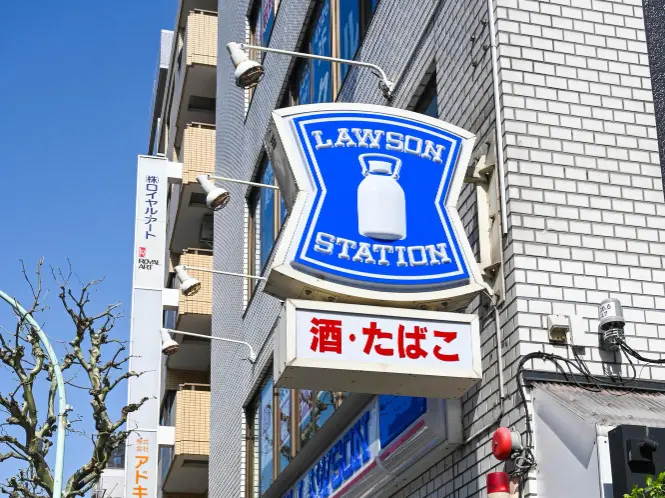
The Mistake: Ignoring 7-Eleven, Lawson, and FamilyMart because you want “real food.” Japanese Konbini (convenience stores) are stocked with fresh deliveries multiple times a day. The egg salad sandwiches (famous thanks to Anthony Bourdain) are legitimate gourmet experiences. The Onigiri (rice balls), Karaage (fried chicken), and Bento boxes are higher quality than many sit-down restaurants in other countries.
The Fix: Plan at least one “Konbini Breakfast” or late-night meal.
- 7-Eleven: Best for Egg Sandwiches and Coffee.
- Lawson: Best for Kara-age Kun (fried chicken nuggets) and desserts.
- FamilyMart: Best for Famichiki (boneless fried chicken breast).
9. Tax-Free Shopping Has Changed (New Nov 2026 Rules)
If you are visiting after November 1, 2026, be aware that the famous “instant discount” tax-free system is gone. It has been replaced by a refund-based system to prevent resale fraud.
The Mistake: Expecting to pay the tax-free price at the register (like in previous years). Under the new system, you must pay the full price (including the 10% consumption tax) at the store.
The Fix:
- Shop: Buy your goods (must be over ¥5,000).
- Departure: At the airport or port, scan your passport and receipts at the customs/tax-free kiosks.
- Refund: Once your departure is confirmed, the tax amount will be refunded to your credit card or in cash (handling fees may apply).
- The Silver Lining: With this change, the confusing distinction between “consumables” and “general goods” (and the requirement to seal consumables in special bags) is generally being relaxed or abolished, as the refund is now contingent on you actually leaving the country with the items.
10. Silence Is Golden (Especially on Trains)
Japan is a noisy country visually, but auditorily, it is surprisingly quiet in public spaces.
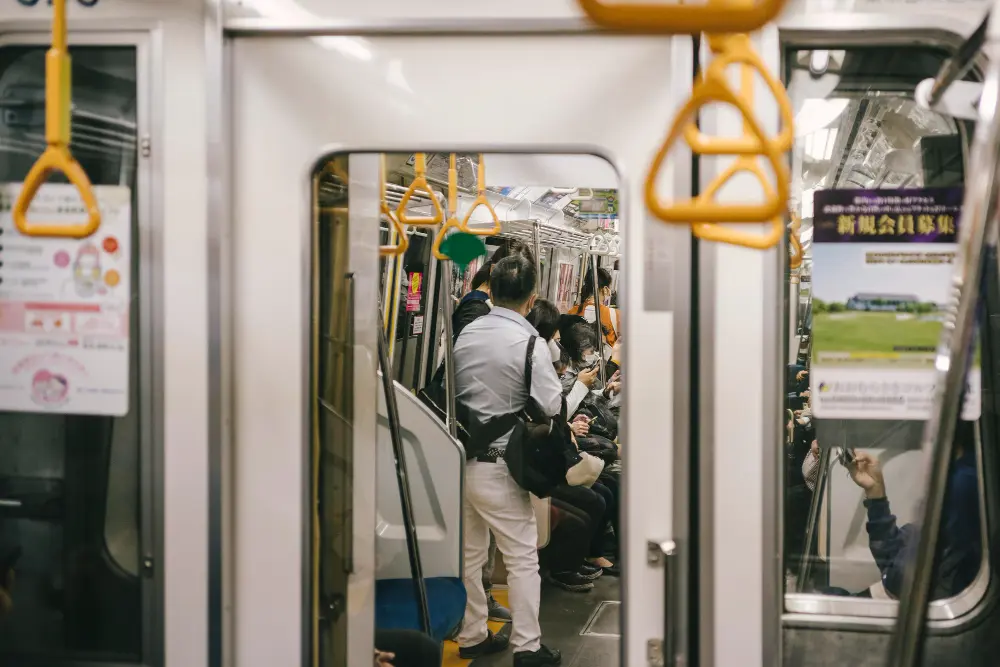
The Mistake: Talking loudly on the subway, taking phone calls in a café, or generally being the “loud tourist.” On Japanese trains, talking on the phone is prohibited. Even talking loudly to your friend is frowned upon. You will notice locals texting, sleeping, or reading, but rarely speaking.
The Fix: Put your phone on “Manner Mode” (silent). If you get a call, let it go to voicemail. If you must talk to your travel companion, whisper. This respect for shared space is a cornerstone of Japanese etiquette. It makes the crowded cities feel much less chaotic.
Conclusion: Embrace the Learning Curve
Japan is not difficult to travel; it is just different. The “mistakes” listed above aren’t fatal, they are just bumps in the road. Even if you get lost in Shinjuku station or accidentally wear your shoes into a dressing room, the locals are generally incredibly kind and helpful.
The beauty of visiting Japan lies in these differences. The care put into trash separation, the silence on the trains, and the precision of the schedules are what make the country function so beautifully. By respecting these rules, you aren’t just a tourist; you are participating in the harmony that makes Japan so special.
So, pack your slip-on shoes, download your offline maps, and get ready for the trip of a lifetime. Just don’t forget your trash bag.
Ready to Level Up Your Trip? Now that you know what not to do, it’s time to focus on the fun part. Head over to our dedicated Travel Tips Section to discover budget hacks, hidden gems, and expert guides that will turn your Japan vacation from “good” to “unforgettable.”