 By Elois da Costa
these are the travel etiquette mistakes to avoid, travel etiquette mistakes to avoid are more common than most people think. Many travelers arrive at a destination without knowing its customs, and end up offending locals, facing fines, or missing out on authentic experiences. Whether you are planning your next international adventure or simply want to become a more mindful traveler, this guide will help you navigate the most common missteps.
Why Travel Etiquette Matters
Understanding the travel etiquette mistakes to avoid before you board a plane can make the difference between a transformative trip and an embarrassing one.
Travel etiquette goes far beyond basic good manners. It is about cultural respect, social awareness, and being a positive ambassador for your country. When you respect local customs, you not only avoid uncomfortable situations, but you also open doors to more authentic experiences and genuine connections with local people.
Before your next trip, consider reviewing the U.S. Department of State international travel tips to prepare for destination-specific risks and local regulations.
Etiquette mistakes can lead to consequences ranging from disapproving looks to significant fines or even legal issues. In addition, disrespectful behavior from some tourists contributes to certain destinations implementing stricter regulations or developing resentment toward visitors.

1. Not Researching Local Customs Before Traveling
One of the biggest mistakes you can make is arriving at a destination without knowing anything about its customs, traditions, or social norms. What is perfectly acceptable in your country may be deeply offensive somewhere else.
Resources like Commisceo Global’s country culture guides offer detailed, destination-specific etiquette breakdowns that go far beyond typical tourist advice.
How to avoid it:
- Take time to research your destination’s culture before traveling
- Read cultural guides and blogs from experienced travelers
- Learn about major religious traditions and holidays
- Familiarize yourself with gestures that are considered offensive
- Research basic social behavior norms
For example, in Thailand touching someone’s head is extremely disrespectful because the head is considered sacred. In some Middle Eastern countries, showing the soles of your feet is offensive. A simple thumbs up gesture, which means approval in Mexico, can be insulting in countries such as Iran or Iraq.
2. Dressing Inappropriately at Religious Sites and in Public Places
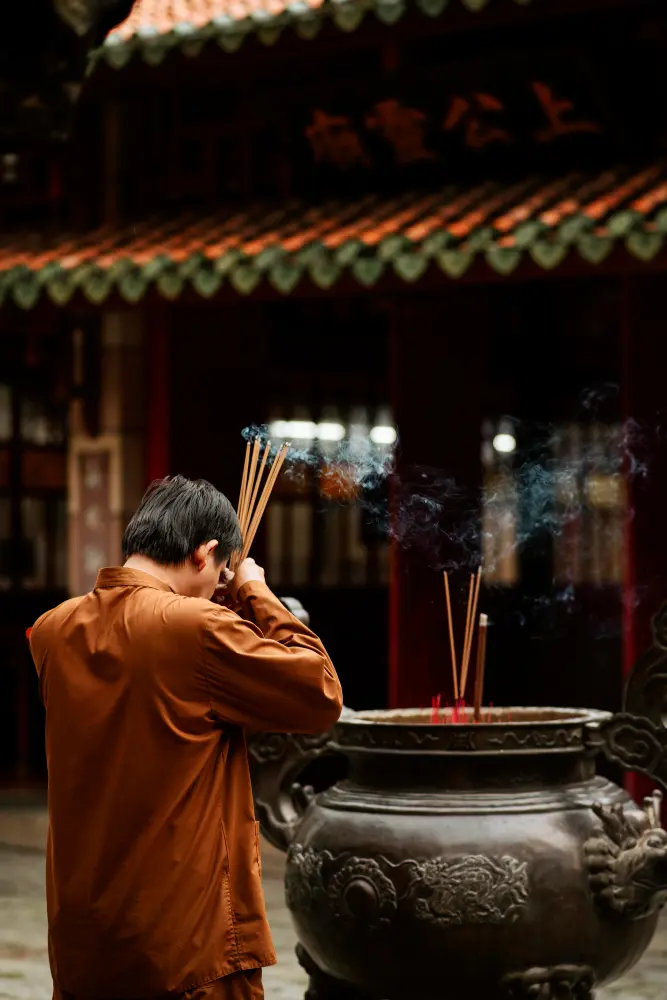
The way you dress communicates a lot about your respect for local culture. Many tourists make the mistake of dressing as if they were at the beach when visiting temples, mosques, churches, or even public areas in conservative countries.
What you should know:
- In most Buddhist temples in Asia, you must cover your shoulders and knees
- Mosques generally require women to cover their hair
- In the Vatican and Catholic cathedrals in Italy, entry is not allowed with bare shoulders or shorts
- In Muslim countries such as Saudi Arabia, Iran, or the United Arab Emirates, both men and women must dress modestly in public
- In India, it is important for women to cover shoulders, cleavage, and knees, especially at religious sites
Practical tips:
- Always carry a lightweight scarf or pashmina in your bag to cover your shoulders or head
- Wear long pants or skirts below the knee when visiting sacred places
- Choose neutral and discreet colors in religious settings
- Ask your hotel staff or locals if you are unsure about the dress code
Failure to comply may result in being denied entry, asked to leave, or even facing fines. Some European cities such as Split and Dubrovnik in Croatia have implemented stricter regulations due to inappropriate tourist behavior.

3. Speaking Loudly and Being Noisy
Travelers, especially from more expressive cultures, often do not realize how loud they can be. Shouting in restaurants, making video calls in public without headphones, or being loud on public transportation is universally disrespectful.
Why it is problematic:
- It disturbs the peace of other travelers and locals
- It reinforces negative stereotypes about tourists
- It can be especially offensive in cultures that value discretion
How to be more mindful:
- Match your voice volume to local conversations
- Step outside to a private area if you need to make a call
- Use headphones for music, videos, or video calls
- Speak quietly on public transportation
- Respect the quiet atmosphere of museums, temples, and libraries
- Avoid unnecessary noise such as slamming car doors
In many European and Asian countries, the normal conversation volume is noticeably lower than in Latin America. Adapt your tone to the local context.
4. Assuming Everyone Speaks Your Language
It is incredibly arrogant to assume everyone will speak Spanish or English. It is even worse to raise your voice or speak more slowly when someone does not understand you, as if the issue were their hearing. A simple tool like Google Translate can bridge almost any language barrier and signals genuine effort to communicate on local terms.
The right approach:
- Learn basic phrases in the local language: please, thank you, excuse me, hello, goodbye
- Download translation apps such as Google Translate
- Carry a small notebook to draw or write when words fail
- Smile and show patience when facing communication barriers
- Try speaking in the local language before switching to English or Spanish
Even a basic effort to speak the local language is highly appreciated and can completely change people’s attitude toward you. Saying “Do you speak English?” or “¿Habla español?” is much better than simply starting to speak your language and expecting to be understood.
5. Taking Photos Without Permission
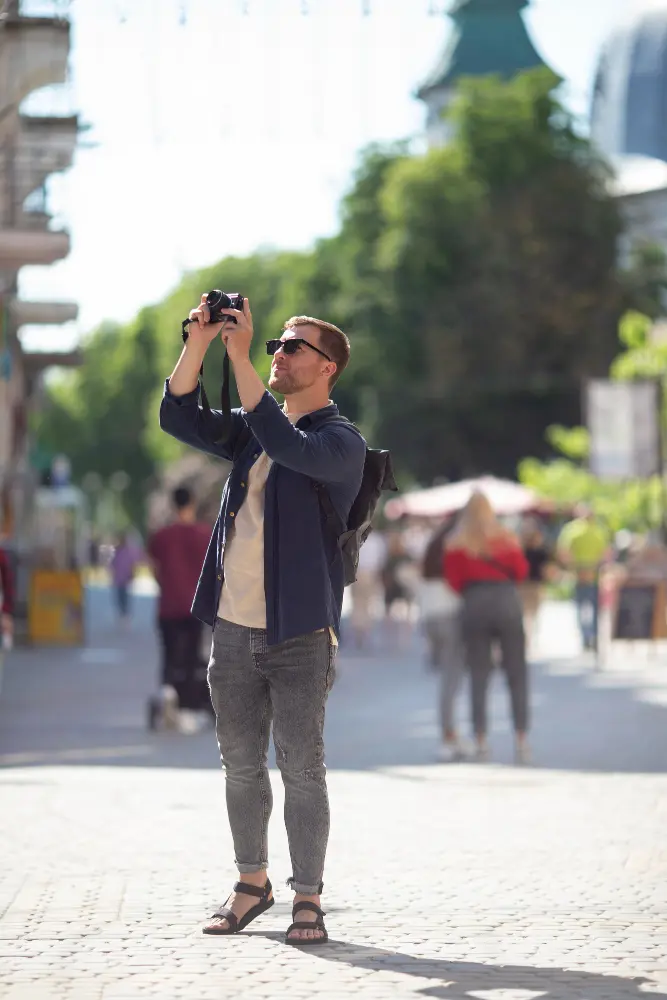
In the age of Instagram and TikTok, many travelers see the world through their cameras and make the mistake of photographing everything and everyone without considering the consequences.
Common mistakes:
- Photographing people without their consent, especially children
- Blocking busy places to get the perfect shot
- Taking selfies in inappropriate locations such as concentration camps, cemeteries, or tragedy sites
- Entering private property to get a photo
- Ignoring “no photography” signs in museums or religious sites
- Taking photos of religious rituals without permission
Best practices:
- Always ask before photographing people
- Be aware of your surroundings and do not block others
- Respect photography restrictions
- In markets or with street vendors, consider buying something if you take photos
- Keep photo sessions brief and discreet
- Do not use flash where it is prohibited
Some places restrict photography for cultural or security reasons. In certain Islamic countries, photographing government or military facilities can result in arrest.

6. Not Understanding Tipping Customs
Tipping practices vary greatly from country to country, and assuming they work the same way as in your home country can be offensive or costly. According to Remitly’s international etiquette guide, expectations around gratuity differ dramatically across cultures: in the U.S. servers depend on tips as part of their income, while in Japan the practice can feel outright disrespectful.
Basic guide:
- In the United States and Mexico, tips of 15 to 20 percent are expected
- In Japan, leaving a tip can be considered insulting
- In many European countries, service is included in the bill
- In some Asian countries, rounding up the bill is sufficient
- In Australia and New Zealand, tipping is not mandatory
What to do:
- Research tipping customs before traveling
- Ask locals or hotel staff if you are unsure
- Check your bill to see if service is included
- In countries where tipping is not customary, a simple thank you is enough
7. Ignoring Table Manners and Dining Etiquette
Mealtime is culturally significant, and dining rules vary dramatically across countries. For a detailed breakdown of one of the world’s most nuanced dining cultures, Japan Guide’s table manners section is an excellent starting point that illustrates how much meaning can be carried in something as simple as how you handle chopsticks.
Frequent mistakes:
- In Italy, ordering a cappuccino after 11 AM or with a meal
- In Japan, passing food from chopsticks to chopsticks, which resembles a funeral ritual
- In France, placing bread directly on the plate instead of on the table
- In India, eating with the left hand, which is considered impure
- In China, leaving your plate completely clean, which may suggest the portion was insufficient
- In South Korea, starting to eat before elders
Universal good manners:
- Observe how locals eat and follow their lead
- Avoid excessive chewing noises unless slurping is culturally acceptable
- Use appropriate utensils
- Do not waste food
- Express gratitude for hospitality
8. Falling for Scams Due to Lack of Preparation
Although scams are not strictly an etiquette mistake, being easily deceived shows a lack of preparation and cultural awareness. The State Department’s international financial scams page provides detailed warnings about the most common schemes targeting travelers abroad, from overcharging taxis to fake “friendship” bracelets.
Common scams:
- Taxis that do not use meters and overcharge
- Restaurants with “specials” that turn out to be extremely expensive
- Aggressive vendors near tourist attractions
- People offering “free” help and then demanding payment
How to protect yourself:
- Research typical prices before traveling
- Agree on fares before getting into taxis or booking tours
- Use transportation apps when possible
- Keep your belongings secure in crowded tourist areas
- Trust your instincts if something feels suspicious

9. Not Respecting Personal Space and Physical Contact Norms
Concepts of personal space vary significantly across cultures. As Allianz Travel’s cultural etiquette guide notes, even seemingly harmless gestures — a thumbs-up, pointing a finger, or a casual pat on the back — can carry very different meanings depending on where you are in the world.
What you should know:
- In Japan and Korea, avoid unnecessary physical contact
- In Mediterranean countries, greetings may include kisses on the cheek
- In India and the Middle East, physical contact between unrelated men and women is inappropriate
- In some Arab countries, men may hold hands as a sign of friendship
- In Thailand, avoid touching people’s heads
Recommendations:
- Observe how locals interact with each other
- When unsure, maintain respectful distance
- Let locals initiate physical contact
- Be mindful of gender norms

10. Behaving Disrespectfully in Sacred Places
Religious sites deserve special respect, yet many tourists treat them as simple photo attractions. Whether you are visiting a Buddhist temple, a mosque, or a cathedral, a few universal rules — outlined in resources like Lonely Planet’s guide to religious site etiquette — apply almost everywhere.
Avoid:
- Speaking loudly or laughing noisily
- Eating or drinking inside temples
- Turning your back on Buddha images for photos
- Entering during religious ceremonies without permission
- Touching sacred objects without authorization
- Using your phone during services
Show respect:
- Remove your shoes when required
- Speak in whispers or remain silent
- Turn off or silence your phone
- Follow staff instructions
- Dress appropriately
- Do not interrupt people who are praying
11. Constantly Complaining and Comparing Everything to Your Country
No one enjoys being around someone who constantly criticizes the destination they are visiting or compares everything unfavorably to their home country.
Problematic attitudes:
- “We do this better in my country”
- Constantly complaining about food, weather, or facilities
- Openly expressing disappointment with tourist attractions
- Criticizing local cultural practices
Better approach:
- Keep an open mind and positive attitude
- Appreciate differences as part of the experience
- If you truly dislike something, keep it to yourself or express it constructively
- Remember you are a guest
- Focus on the positive aspects of your trip

12. Getting Drunk in Public
Excessive alcohol consumption is not only a personal safety issue, but also an etiquette concern.
Associated problems:
- You become vulnerable to theft and scams
- You may offend locals, especially in conservative countries
- You risk legal trouble
- You create a negative image of tourists from your country
- You are more likely to commit other etiquette mistakes under the influence
Drink responsibly:
- Know the legal limits for alcohol consumption
- In Muslim countries, be especially careful about where and how much you drink
- Never drink to the point of losing control or awareness
- Maintain composure in public
13. Not Adapting to Local Punctuality Norms
Attitudes toward time vary culturally, and failing to adapt can cause issues.
Different perspectives:
- In Germany, Switzerland, and Japan, punctuality is essential
- In many Latin countries, arriving 15 to 30 minutes late is socially acceptable
- In the Middle East, flexibility with time is common
- For business events, punctuality is generally expected
What to do:
- Research local punctuality norms
- Be on time for tours, transportation, and reservations
- Ask what is appropriate for social events
- Do not assume your country’s standards apply everywhere
14. Bargaining Aggressively or in the Wrong Places
Bargaining is expected in some places but considered rude in others.
Where to bargain:
- Markets and bazaars in Asia, Africa, and the Middle East
- With street vendors
- For taxis without meters in certain countries
- When negotiating tours or services directly with providers
Where not to bargain:
- Stores with fixed prices
- Restaurants
- Hotels, except in specific situations
- Professional services
How to bargain respectfully:
- Do it with good humor and respect
- Avoid being overly aggressive
- Be prepared to walk away if the price is not right
- Do not insult the vendor or their merchandise
- Make reasonable offers
Conclusion: Key Travel Etiquette Mistakes to Avoid
Travel etiquette mistakes usually come from ignorance rather than bad intentions. The key to avoiding them is preparation, observation, and genuine respect for the cultures you visit.
Before your next trip:
- Research local customs
- Learn basic language phrases
- Study dress codes
- Familiarize yourself with social norms
- Maintain a humble and willing attitude
Remember that making mistakes is part of traveling. What matters most is staying open, apologizing when necessary, and learning from each experience. By showing respect and cultural awareness, you will not only avoid uncomfortable situations, but also enrich your travel experience and create more meaningful connections along the way.
Traveling is a privilege that comes with the responsibility of being a respectful ambassador of your culture while honoring and learning from others. With these tips in mind, you will be better prepared to become the kind of traveler who is welcome anywhere in the world.
Have a great trip and always travel with respect, curiosity, and an open mind.