 By Elois da Costa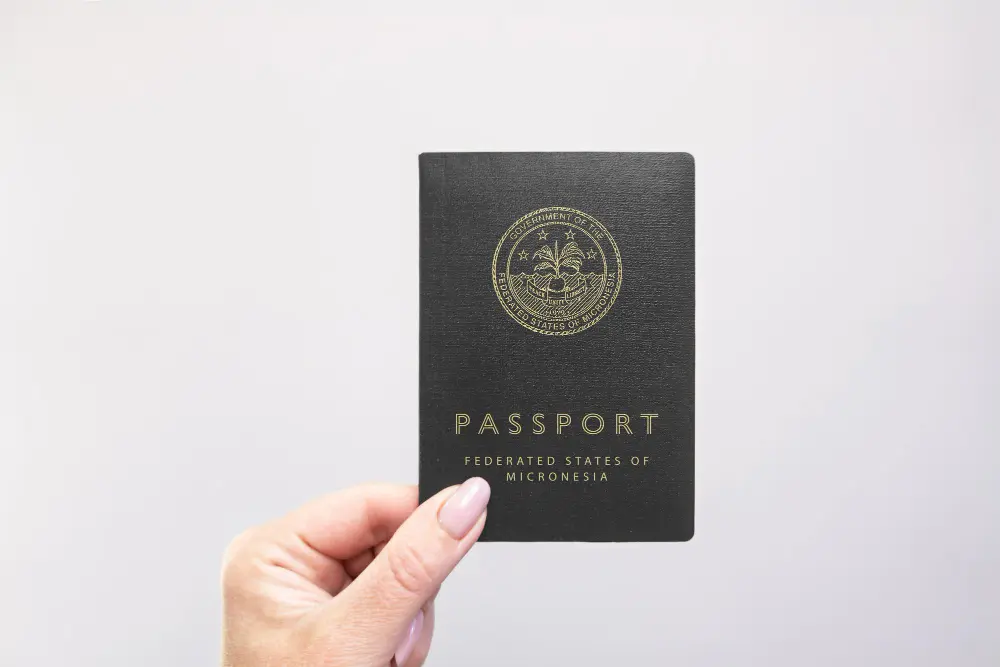
Losing your passport while traveling abroad is one of the most stressful situations any traveler can face. But it’s not the end of the world. According to the U.S. Department of State, approximately 600,000 passports are lost or stolen worldwide every year, so you’re not alone in this situation. The good news is that if you know what steps to follow, you can resolve this problem relatively quickly and continue your trip.
In this complete guide, I’ll explain exactly what to do if you lose your passport during an international trip, how to get an emergency replacement, what documents you’ll need, and how to prevent this from happening again.
Why Your Passport Is So Important
Before getting into the details of what to do when you lose your passport, it’s crucial to understand why this document is so vital. A passport is the officially recognized international document that validates your citizenship and allows you to travel between countries. Without it, you simply cannot board an international flight or cross borders legally.
Unlike other forms of identification such as your driver’s license or state ID, a passport is the only document that allows you to move freely around the world and, most importantly, return to your home country. The International Civil Aviation Organization (ICAO) establishes the global standards that make passports the only universally accepted travel document. No other identification document carries this level of international recognition.
First Steps: Stay Calm
The first thing you should do when you realize you’ve lost your passport is take a deep breath and stay calm. I know it’s easier said than done, but panicking won’t help you resolve the situation. Remember that thousands of people face this problem every year, and the vast majority manage to resolve it successfully.
Once you’ve regained your composure, start retracing your last movements. When was the last time you saw your passport? Where did you put it? Thoroughly check all your belongings: your luggage, pockets, backpack, hotel room, and even ask at the hotel front desk or at the places you recently visited if anyone has found it.
If after an exhaustive search you determine that your passport has definitely been lost or stolen, it’s time to take immediate action.

Step 1: File a Police Report
This is the most critical step and must be your absolute priority. Without a police report, you cannot move forward with any of the following steps to obtain a replacement passport.
Go to the nearest police station as soon as possible. In some countries this process is simple and quick; in others, it may take several hours. Be patient and bring all the information you can provide about your lost passport.
What You Need to File the Report:
- Details of when and where you lost or had your passport stolen: Be as specific as possible
- Passport number: If you have a copy saved (digital or physical), this will greatly simplify the process
- Description of the circumstances: Whether it was accidental loss or theft
- Alternative identification: Any other document you have, such as a driver’s license, student ID, or a copy of your passport
If you don’t speak the local language, don’t worry. You can use translation apps on your phone, or better yet, ask for help from hotel staff or fellow travelers who speak your language. Many police stations in popular tourist destinations have staff who speak English.
Important: Keep the receipt or case number from the police report. This document is absolutely essential for all subsequent procedures at your embassy or consulate.

Step 2: Contact Your Embassy or Consulate
Once you’ve filed the police report, your next step is to contact your country’s nearest embassy or consulate. This should be your safe harbor abroad, the place where they can help you resolve your situation.
Before Going to the Embassy:
- Find the location and hours: Most embassies operate on business hours Monday through Friday. You can use the embassy locator on the State Department website to quickly find the nearest U.S. embassy or consulate anywhere in the world. Some have emergency services available outside regular hours.
- Call ahead: It’s recommended to call before going to confirm what documents you need to bring and whether you need a prior appointment.
- Prepare all your documents: Bring the police report receipt, any form of identification you have, passport-size photos (if possible to obtain), and proof of your travel itinerary.
Available Consular Services:
At the embassy or consulate, you can request one of two documents depending on your situation:
- Emergency or Temporary Passport: This is a limited-duration passport that will allow you to complete your trip and return home. It generally has a validity of between 1 month and 1 year, depending on your country’s policies.
- Emergency Travel Document (ETD): This is an emergency document that allows you to make a single trip back to your home country. It’s faster to obtain than a full temporary passport, but it only serves to travel directly home. If you’re in the middle of a trip with multiple destinations, an ETD will not allow you to continue with your original itinerary.
Documents You’ll Typically Need:
- Police report receipt
- Official photo ID (driver’s license, state ID, copy of passport)
- Passport-size photos (generally 2-4 photos depending on the country)
- Proof of your travel itinerary (plane tickets, hotel reservations)
- Completed consular forms (provided at the consulate)
- Payment of applicable fees (varies by country and document type)
Important tip: Issuance of an ETD is generally completed the same day if you submit complete documentation. For a temporary passport, the process may take several business days.
Step 3: Notify Your Home Country’s Authorities
In addition to visiting the consulate in person, it’s important to report the loss or theft of your passport to the authorities in your home country. This is crucial to prevent possible fraud or misuse of your identity.
For U.S. Citizens: You can report your passport lost or stolen online through Form DS-64 on the U.S. Department of State website. You can also call the toll-free number 1-877-487-2778 (available 24/7).
For Mexican Citizens: You can report the loss through the portal of the Secretaria de Relaciones Exteriores or contact your consulate directly. The report ensures your lost passport is voided in official databases.
For Spanish Citizens: You must complete the declaration of loss or theft form for Spanish documents at the Consular Office, in addition to the local police report.
Why is it so important to report the loss immediately? Once you report your passport as lost or stolen, it is canceled and is no longer valid for travel. This prevents someone else from using your identity for illegal activities, opening fraudulent bank accounts, or committing crimes in your name. Even if you later find your lost passport, you will no longer be able to use it for international travel.
Step 4: Handle Immediate Practical Matters
While you wait for your new travel document, there are several practical matters you should attend to:
Money and Cards:
If you also lost your wallet with credit and debit cards, immediately contact your bank to block the cards and prevent unauthorized charges. Many banks can send replacement cards to international addresses, although this may take several days.
If you’ve run out of money, you can:
- Ask a family member or friend to send you money through Western Union international transfers, one of the fastest and most reliable options in emergency situations
- Use digital payment apps if you have access to your phone
- Ask for help from the consulate in extreme emergency cases (some consulates can facilitate emergency loans to citizens who need them)
Lodging and Transportation:
If you need to extend your stay while waiting for your new passport, contact your hotel or accommodation to modify your reservation. Explain your situation; many establishments are understanding with travelers facing emergencies. You can also check last-minute availability on Booking.com or Airbnb if you need to find alternative accommodations quickly.
For your flights, contact the airline as soon as possible to inform them of your situation, reschedule your return flight if necessary, and ask about change policies and possible fees. You can also check available options and reschedule directly through Google Flights. Many airlines offer flexibility in documented emergency cases.
Travel Insurance:
If you purchased travel insurance before leaving, now is the time to use it. Contact your insurer immediately. Many travel insurance policies cover costs of obtaining emergency documents, additional lodging while waiting for your new passport, flight changes or missed tickets, 24/7 emergency assistance, and reimbursement of reasonable expenses incurred due to travel delays.
Keep all receipts for expenses related to your passport loss, as you may need them to file an insurance claim.
Special Situations: What To Do If…
You Lose Your Passport at the Airport
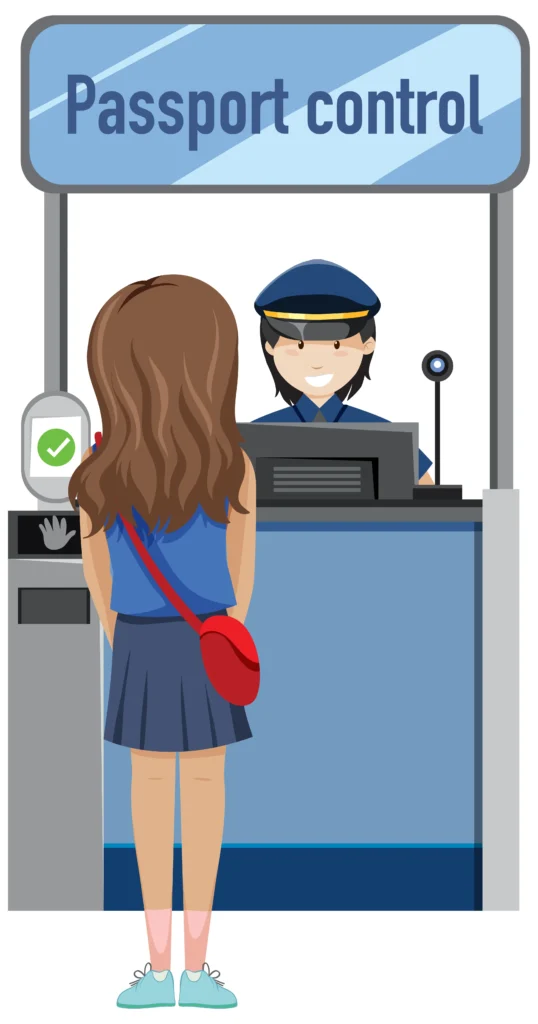
This is a particularly stressful situation, especially if your flight leaves soon. Here’s what to do:
- Go immediately to the airport police station to file a report. Major international airports usually have police stations within their facilities.
- Contact the airline and explain your situation. They may be able to help you contact the consulate or provide information about your options.
- Look for the airport’s consular office. Some very large airports have consular or passport issuance offices where you can obtain an emergency passport the same day if you present your plane ticket and police report.
- Consider rescheduling your flight. Unless you can quickly obtain an emergency document, you’ll probably need to change your flight. Many airlines are understanding in these situations and may offer changes at no extra charge with appropriate documentation.
You Lose Your Passport in a Country Without Your Country’s Embassy
This situation is more complicated but not impossible to resolve. You’ll need to identify the nearest consulate even if it’s in a neighboring country, contact them by phone or email to explain your situation and receive specific instructions, travel to that country if absolutely necessary, and request assistance from the consulate of your country of residence or an allied country that may provide temporary consular assistance.
You Lose Your Passport and You’re Traveling Tomorrow
- Go to the embassy or consulate first thing in the morning without an appointment, with all your documents and evidence of urgency (your plane ticket).
- Clearly explain the urgency of your situation and that you’re traveling within the next few hours.
- Have everything ready: police report, ID, photos, travel proof, and payment.
- Consider requesting an ETD instead of a full passport, as it’s issued faster.
- As a last resort, if the consulate cannot issue a document in time, you’ll need to change your flight. Contact the airline and explain that you have a documented emergency.
You’re a Minor and Lose Your Passport
Contact your parents or legal guardians immediately. The group leader or responsible adult must accompany you to the police station and consulate. Consulates generally require parental authorization to issue travel documents for minors, and processing times may be longer due to additional verification requirements.

Costs to Consider
Losing your passport is not only emotionally stressful, it can also be costly. Here are the typical expenses to anticipate:
Official Fees:
- Emergency or temporary passport: Generally between $50 and $150 USD
- Emergency Travel Document (ETD): Usually between $30 and $100 USD
- Passport photos: $10-20 USD depending on the country
Additional Costs:
- Flight change: From no charge to several hundred dollars
- Additional hotel nights: $50-200+ USD per night depending on your destination
- Transportation to the consulate: Variable depending on location
- International phone calls: Use WhatsApp or Skype to minimize these costs
Estimated total: Depending on your situation, you could spend between $200 and $1,000 USD or more to fully resolve the problem. That’s why having travel insurance is so important.
How to Prevent Losing Your Passport
Before Leaving on Your Trip:
- Make Multiple Copies – Scan or photograph the main pages of your passport. Save digital copies to your email, in the cloud (Google Drive, Dropbox), and on your phone. Carry 2-3 physical copies in separate places in your luggage. Leave a copy with a family member or friend at home.
- Write Down Important Information – Passport number, issue and expiration date, issuing country, and contact info for your embassy or consulate at each destination.
- Research Before You Travel – Locate your country’s embassy or consulate at each destination. Save addresses, phone numbers, and office hours. Download consular assistance apps if your country offers them. The Smart Traveler Enrollment Program (STEP) by the U.S. State Department is a free service that allows U.S. citizens traveling abroad to enroll their trip and receive safety alerts.
During Your Trip:
- Use a Safe – Store your passport in the room safe when at your hotel. Only carry it when absolutely necessary.
- Carry Alternative ID – Carry a copy of your passport or your driver’s license instead of the original during the day.
- Use Security Accessories – A hidden money belt worn under your clothing, an anti-theft bag with a secure zipper and slash-resistant fabric, or a backpack with a hidden compartment.
- Stay Alert in Crowded Areas – Professional pickpockets operate on public transportation, in busy markets, at tourist attractions, in restaurants and bars, and at festivals and large events.
- Know Common Distraction Techniques – Someone “accidentally” spills something on you, one person asks you a question while another steals from you, crowds pushing you on public transportation, or children approaching you with maps or signs.
- Never Leave Your Belongings Unattended – Not on café or restaurant tables, on the seat next to you on public transportation, on beaches while swimming, or in gym or spa locker rooms.
- Split Up Your Documents – Don’t keep all your important documents in one place. Keep your passport in one place and your bank cards in another.
Technology Working in Your Favor:
Use travel apps like TripIt to organize your documents, Google Maps to save offline embassy locations, and WhatsApp to communicate for free. Upload all important documents to Google Drive, Dropbox, or iCloud in a dedicated “Travel Documents” folder, and share access with a trusted family member.
The Critical Importance of Travel Insurance
When you lose your passport, travel insurance can literally be your financial lifesaver. A good policy should cover reimbursement of emergency passport fees, assistance contacting embassies and consulates, additional lodging and meals during the waiting period, flight change costs, and 24/7 emergency assistance in your language.
Travel insurance typically costs between 4-10% of the total cost of your trip. When you consider that losing your passport can easily cost you $500-1,000 USD or more, it’s an investment that’s totally worth it.
Some reliable insurers that offer good coverage for passport loss include World Nomads, Allianz Travel Insurance, AXA Travel Insurance, and Assist Card (very popular in Latin America).
Crucial tip: Always read the fine print of your policy. Most do NOT cover situations where your passport didn’t arrive in time before your trip due to processing delays; they only cover loss or theft during the trip.
Real Stories and Lessons Learned
Maria’s Story in Paris: Maria was riding the Paris metro during rush hour when pickpockets stole her bag with her passport inside. Fortunately, she had digital copies and contacted the Mexican consulate immediately. She obtained an ETD in 2 days and was able to return home. Lesson: Always have digital copies and keep your belongings close to your body on busy public transportation.
Roberto’s Case in Thailand: Roberto left his backpack on a beach while swimming. When he came back, it was gone. Being on a remote island with no nearby consulate, he had to take a ferry to Bangkok, losing 3 days of his trip and spending an additional $400 USD. Lesson: Never leave your belongings unattended, especially on beaches.
Ana’s Experience with Her Family: Ana was traveling with her two young children when she lost her passport at the airport just before check-in. Her travel insurance had a 24/7 emergency line, and the company coordinated with the airline to change her flight at no charge while helping her navigate the emergency passport process. Lesson: Travel insurance with 24/7 assistance can be invaluable, especially when traveling with children.
After Resolving the Problem: When You Get Home
- Apply for a New Regular Passport – Your emergency passport has limited validity. You can apply for a new U.S. passport in person at a passport acceptance facility. Processing times are typically 6-8 weeks (2-3 weeks with expedited service).
- Update Your Frequent Traveler Programs – If you’re enrolled in Global Entry, TSA PreCheck, or NEXUS, update your information with your new passport number.
- File Your Insurance Claim – Gather all receipts, the police report copy, consulate documentation, and flight/lodging receipts.
- Review Your Bank Accounts and Credit – Monitor your bank statements and credit report carefully in the months following the incident.
Quick Action Summary: Your Emergency Plan
In the first few hours:
- Thoroughly search for your passport
- Go to the nearest police station and file a report
- Keep the police report receipt
- Contact your embassy/consulate
On the first day: 5. Gather all necessary documents 6. Get passport-size photos 7. Visit your consulate with all documentation 8. Start the process for a temporary passport or ETD 9. Contact your travel insurance 10. Inform your airline about possible changes
In the following days: 11. Pick up your emergency document 12. Adjust your itinerary if necessary 13. Keep all receipts for your insurance claim 14. Monitor your bank accounts 15. Plan to get a regular passport when you return home
Conclusion
Traveling is one of life’s most enriching experiences. But part of being a responsible traveler is being prepared for the unexpected. Now that you know exactly what to do if you lose your passport, you’re much better equipped to handle this situation if it ever happens to you.
Remember: the key is preparation. Make those digital copies. Write down those emergency numbers. Invest in good travel insurance. Keep your documents secure. And if despite all precautions something goes wrong, don’t panic. Take a deep breath, follow the steps you just learned, and remember that this too shall pass.
Safe travels, and may your adventures be filled with incredible memories (and all your documents always in their place)!