 By Elois da Costa
If you’ve been wondering how to plan a trip to Greece, the short answer is this: start with a clear itinerary, decide between islands and mainland early, book ferries in advance, and give yourself at least ten days to do it right. Greece is one of the most rewarding destinations in Europe, but it rewards travelers who come prepared. Whether you’re dreaming of whitewashed walls in Santorini or ancient temples in Athens, this guide walks you through everything step by step.
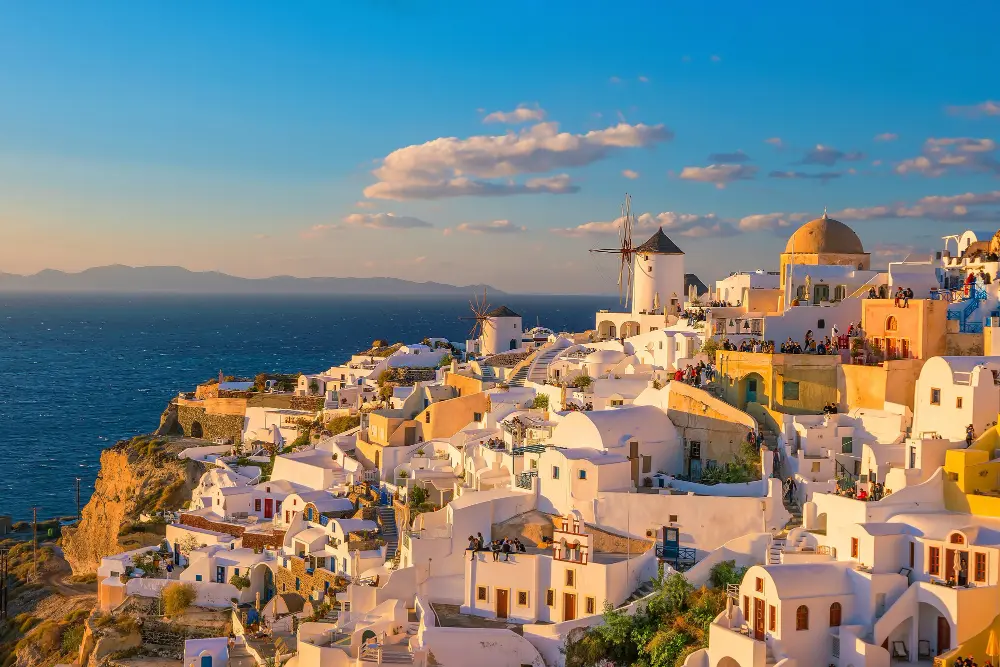
When Is the Best Time to Visit Greece?
Timing shapes everything about a Greek trip. The shoulder seasons, late April through early June and September through October, offer the best combination of warm weather, manageable crowds, and lower prices. Peak summer (July and August) brings intense heat and packed tourist spots, especially on the popular Cycladic islands.
If you’re focused on Athens and the mainland, spring is ideal. Wildflowers cover ancient sites, the light is soft, and temperatures sit comfortably in the mid-60s to low 70s Fahrenheit. For island hopping, aim for June or September: the Aegean is calm, the sea is warm, and the tavernas are still fully open without the August madness.
According to Visit Greece’s official tourism portal, the country receives more than 30 million visitors annually, making advance planning not just helpful but essential.
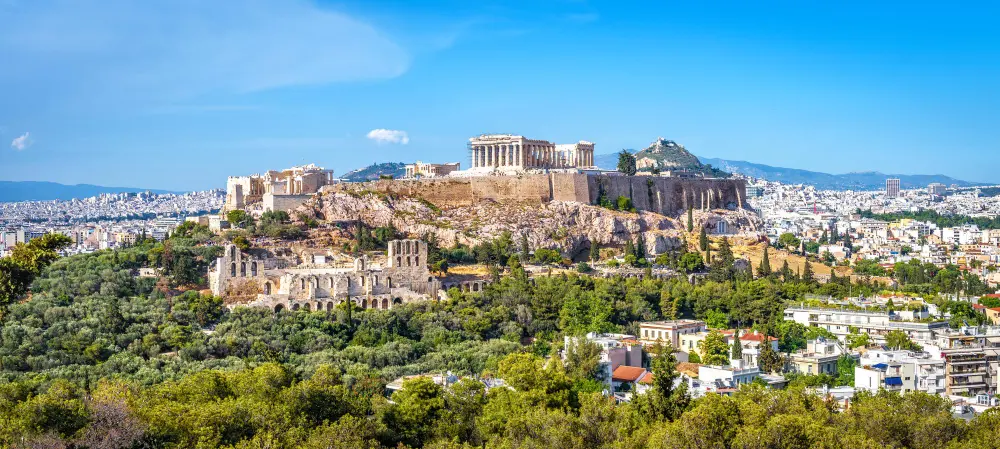
Start With Athens (Even If You’re an Island Person)
Almost every itinerary benefits from spending two to three days in Athens first. The city is the main international gateway, and it holds some of the most important archaeological sites in the world. The Acropolis, the Parthenon, the Ancient Agora, and the National Archaeological Museum can easily fill two full days without feeling rushed.
Stay in the Monastiraki or Koukaki neighborhoods for walkable access to both ancient sites and great food. Book your Acropolis timed entry ticket in advance, especially from May through October, as slots sell out days ahead.
Athens also gives you time to adjust to the time zone, try the food, and settle into the Greek rhythm before you start hopping ferries.

Choosing Between Islands: The Big Decision
Greece has over 6,000 islands (though only about 230 are inhabited), and choosing the right ones for your trip is the most important planning decision you’ll make. Here’s how to think about it:
The Cyclades (Santorini, Mykonos, Paros, Naxos, Milos) are the most iconic. Santorini is stunning but extremely touristy and expensive. Paros and Naxos offer a more authentic Cycladic experience with beautiful beaches and fewer crowds. Milos, with its lunar landscape and colored rock formations, is one of the most visually dramatic islands in all of Greece.
The Dodecanese (Rhodes, Kos, Patmos) are larger, more historically layered, and feel distinctly different from the Cyclades. Rhodes has a medieval old town that’s a UNESCO World Heritage Site and is genuinely one of the best-preserved in Europe, according to UNESCO’s World Heritage documentation.
The Ionian Islands (Corfu, Zakynthos, Kefalonia) sit off the west coast and have a greener, lusher feel with Venetian architectural influences. Corfu Town is one of Greece’s most underrated cities.
A practical note: don’t try to visit more than three or four islands on a two-week trip. Ferry connections can take three to eight hours depending on the route, and you’ll spend more time in transit than enjoying each place if you overpack your itinerary.
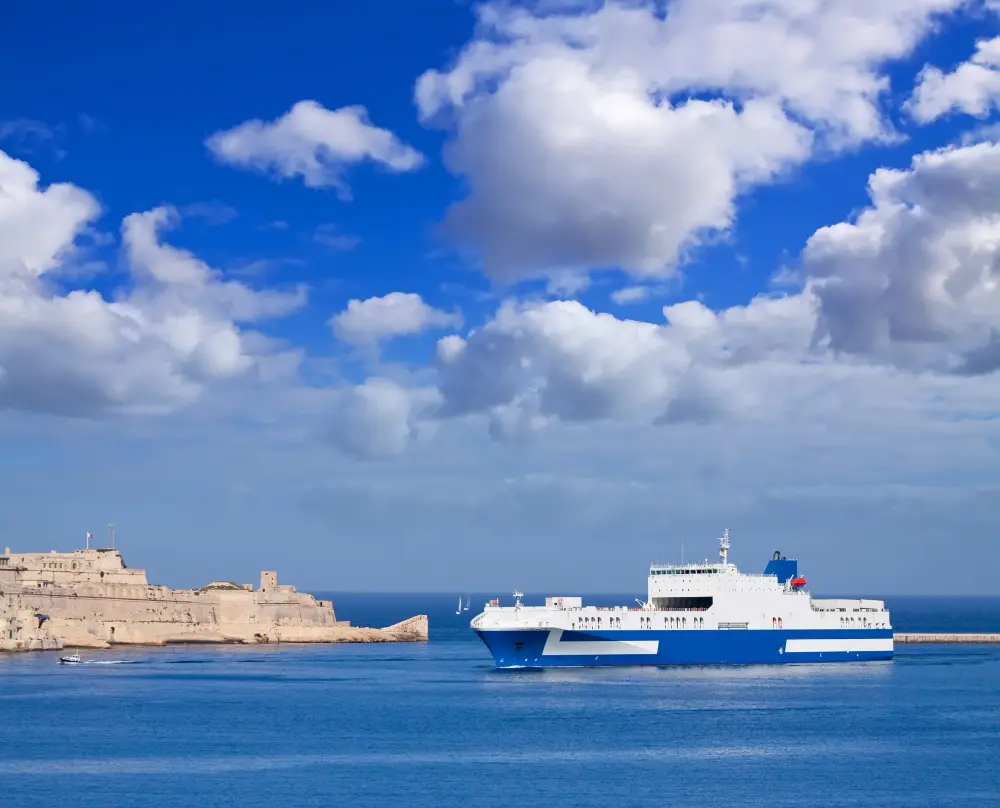
How to Get Between the Islands
Ferries are the heart of Greek island travel. The main operators are Blue Star Ferries and SeaJets, and you can book tickets through Ferryhopper, which aggregates routes and schedules across all major companies.
Book ferry tickets at least two to three weeks ahead in summer, especially for overnight ferries with cabin berths, which sell out fast. For shorter routes (under two hours), high-speed catamarans are worth the higher price.
Piraeus, the port of Athens, is the main departure hub for most Cycladic and Dodecanese routes. Ferries to the Ionian Islands typically depart from Patras or Igoumenitsa on the west coast.
Domestic flights are also worth considering for certain routes. Athens to Rhodes or Athens to Corfu, for example, is often faster and only marginally more expensive than a long ferry once you factor in time. Check Aegean Airlines and Sky Express for domestic Greek routes.

Planning Your Budget: What Greece Actually Costs
Greece is not as cheap as it once was, but it’s still more affordable than most Western European destinations. Here’s a rough daily budget breakdown for a comfortable mid-range trip:
Accommodation in a good boutique hotel or Airbnb runs between $80 and $180 per night depending on the island and season. Food is one of Greece’s great pleasures and one of its bargains: a full meal at a local taverna with wine rarely costs more than $25 to $35 per person. You can find excellent gyros and souvlaki for under $5 at any street stall.
Budget around $40 to $80 per person for ferry tickets depending on distance, and add in museum entry fees (the Acropolis costs €20 for adults as of 2024). Using Google Flights to track flight prices from your home airport gives you a clear starting point for the overall budget.
A realistic budget for two people doing ten days in Greece, including flights from North America, is somewhere between $4,000 and $7,000 depending on your travel style and accommodation preferences.

Where to Stay: Hotels, Airbnbs, and Cave Houses
Accommodation in Greece runs the full spectrum. In Santorini’s Oia and Imerovigli, cave houses carved into the caldera cliffs are the signature stay, but they book out six to nine months in advance for summer dates. For more flexibility, Paros and Naxos have excellent hotels at half the Santorini price.
For Athens, centrally located hotels near Syntagma or Monastiraki make sightseeing easy. Browse Booking.com’s Greece listings with free cancellation options if your dates are still flexible, which gives you room to adjust as you finalize your itinerary.
If you’re traveling with a group or family, renting a private villa through Airbnb on a larger island like Crete or Rhodes can be extremely cost-effective and gives you a home base to explore from rather than constantly moving.
Practical Tips Before You Go
A few things that save time and stress once you’re on the ground:
Greek cuisine varies significantly by region, and the best food is often found away from the main tourist squares. Ask your accommodation host where locals eat: that question alone has led to some of the best meals in the country.
Pack for heat but bring a light layer for evenings, especially if you’re visiting between April and early June or in September. Evenings on the islands can be surprisingly breezy.
Greece uses the Euro. ATMs are widely available in cities and on main islands, but smaller islands may have only one ATM that occasionally runs out of cash on busy weekends. Carry some Euro before you board a ferry to a smaller island.
Finally, the U.S. Embassy in Athens maintains an up-to-date travel advisory page for American travelers that’s worth a quick review before departure, covering everything from entry requirements to emergency contacts.

A Sample 10-Day Greece Itinerary
For first-timers asking how to plan a trip to Greece, this structure works well:
Days 1-3: Athens (Acropolis, Ancient Agora, Athens food scene, day trip to Cape Sounion). Days 4-5: Paros (beaches, Parikia old town, local wine). Days 6-7: Santorini (caldera views, Oia sunset, Akrotiri archaeological site). Days 8-9: Milos (Sarakiniko beach, boat tour of sea caves, colorful fishing village of Klima). Day 10: Return to Athens, evening flight home.
This itinerary balances history, beauty, beaches, and authentic local experience without overdoing it on ferry time.
Final Thoughts
Learning how to plan a trip to Greece is really about learning to slow down. The country rewards patience: the taverna that takes an hour to bring your food is always worth the wait. Once you understand that ferries run on Mediterranean time, that island life moves at a different pace than the mainland, and that the best moments usually happen off the planned itinerary, everything clicks.
Book your flights and ferries early, stay flexible in the middle, and let Greece do the rest.