 By Elois da Costa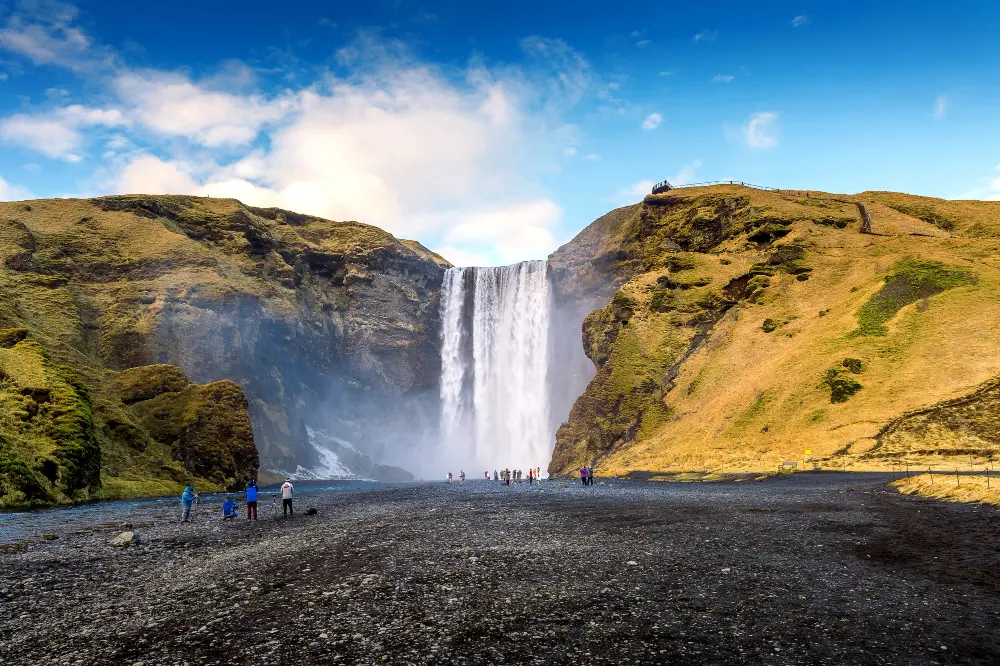
Knowing how to plan a trip to Iceland requires a strategic look at the calendar, as the “Land of Fire and Ice” transforms completely between the midnight sun of summer and the dancing auroras of winter. To plan the perfect journey, you must first choose your primary goal: do you want to hike the lush highlands in July or witness the frozen waterfalls in January? Once you pick a season, you need to book a 4×4 vehicle for safety, pack high-quality waterproof layers, and reserve your accommodations at least six months in advance to secure the best spots along the Ring Road.
Planning a trip here is unlike planning a vacation to mainland Europe. The weather is famously fickle, the terrain is rugged, and the logistics can be daunting for first-timers. This guide breaks down everything you need to know to navigate the Icelandic seasons, ensuring your itinerary is as seamless as it is breathtaking.
Understanding the Icelandic Climate
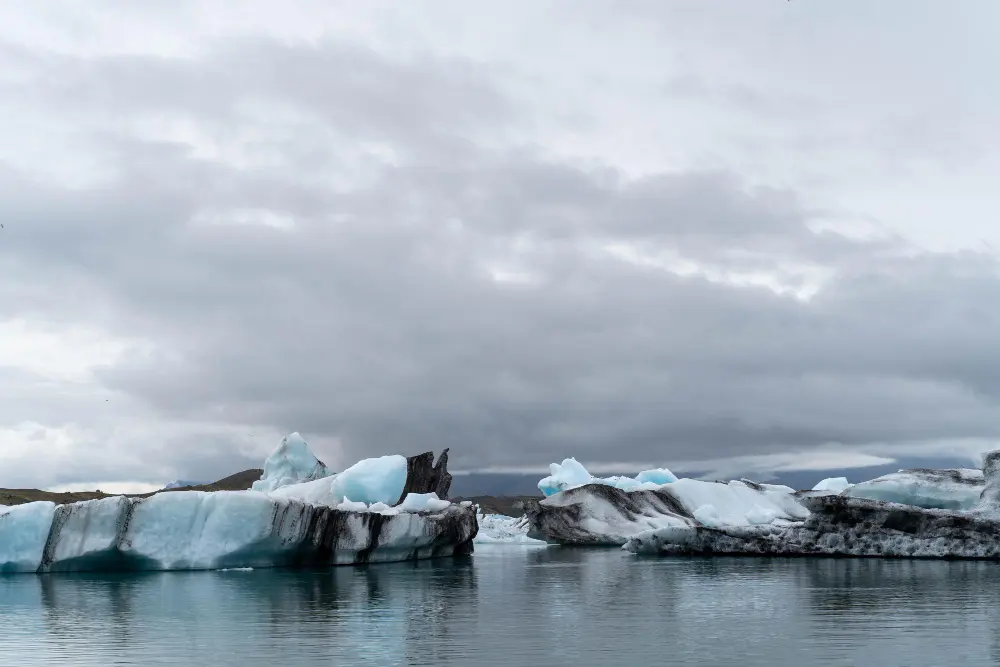
Iceland sits just below the Arctic Circle, meaning its seasons are defined more by light and wind than by extreme heat. Thanks to the Gulf Stream, it is actually warmer than you might expect, but the wind can make a 40 degree day feel like 20 degrees in an instant.
When you look into how to plan a trip to Iceland, you will notice a recurring theme: flexibility. Whether you visit in the peak of summer or the depths of winter, the weather dictates the pace. Road closures are common, and the local search and rescue team provides vital real-time updates via Safetravel.is to keep tourists out of harm’s way.
Summer (June to August): The Land of the Midnight Sun
Summer is the most popular time to visit, and for good reason. The days are endless, the grass is vibrant green, and every corner of the island is accessible.
Why Visit in Summer?
This is the only time of year when the “F-Roads” (mountain tracks) are open, allowing travelers to reach the Highlands. If you are interested in multi-day treks like the Laugavegur trail, this is your window. Additionally, summer is prime time for wildlife. Millions of Atlantic Puffins nest on cliffs like Dyrhólaey, and whale watching tours from Húsavík have nearly a 99 percent success rate.
Planning Tips for Summer
- Book Early: Because this is peak season, flights and hotels sell out quickly. Check Google Flights early to monitor price trends from your home city.
- The Midnight Sun: In late June, the sun barely sets. While this gives you 24 hours of sightseeing, it can mess with your sleep cycle. Bring a high-quality eye mask.
- Car Rentals: You can get away with a 2WD vehicle if you stay strictly on the Ring Road, but a 4×4 is recommended for better stability and the freedom to explore gravel side roads.
Fall (September to October): The Golden Hour
Fall is arguably the “sweet spot” for travelers who want to avoid the summer crowds but aren’t ready for the harshness of a full Nordic winter.
The Changing Colors
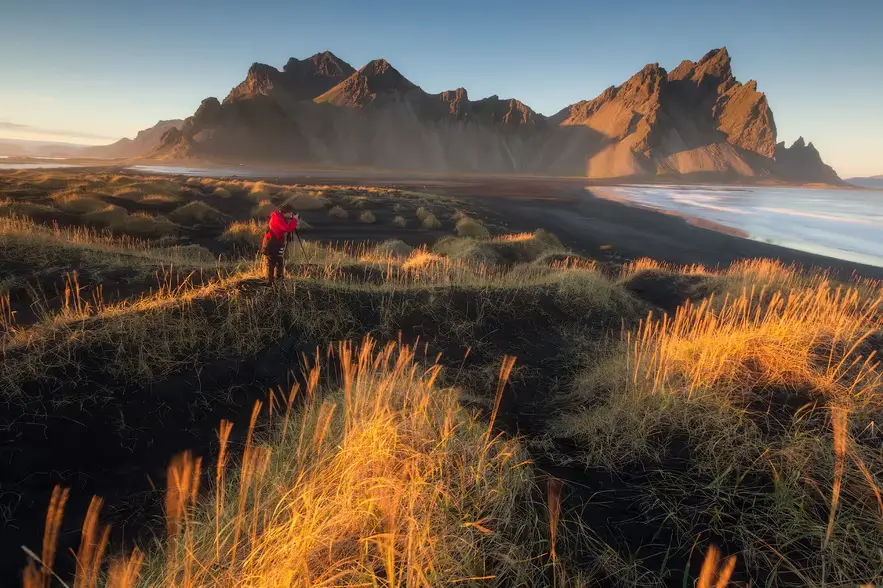
The mossy lava fields turn a deep gold and burnt orange, creating a photographer’s paradise. September also marks the return of the Northern Lights. As the nights get longer and darker, the Aurora Borealis begins its seasonal dance.
Logistics and Budgeting
Prices for campervans and hotels start to dip in September. This is a great time to utilize resources like Expedia to find bundled deals on flights and lodging. The weather remains relatively mild, though you should expect more rain and wind than in the summer months.
When considering how to plan a trip to Iceland during the fall, remember that many Highland roads close by mid-September. Your itinerary should focus on the coastline, the Golden Circle, and the Snæfellsnes Peninsula.
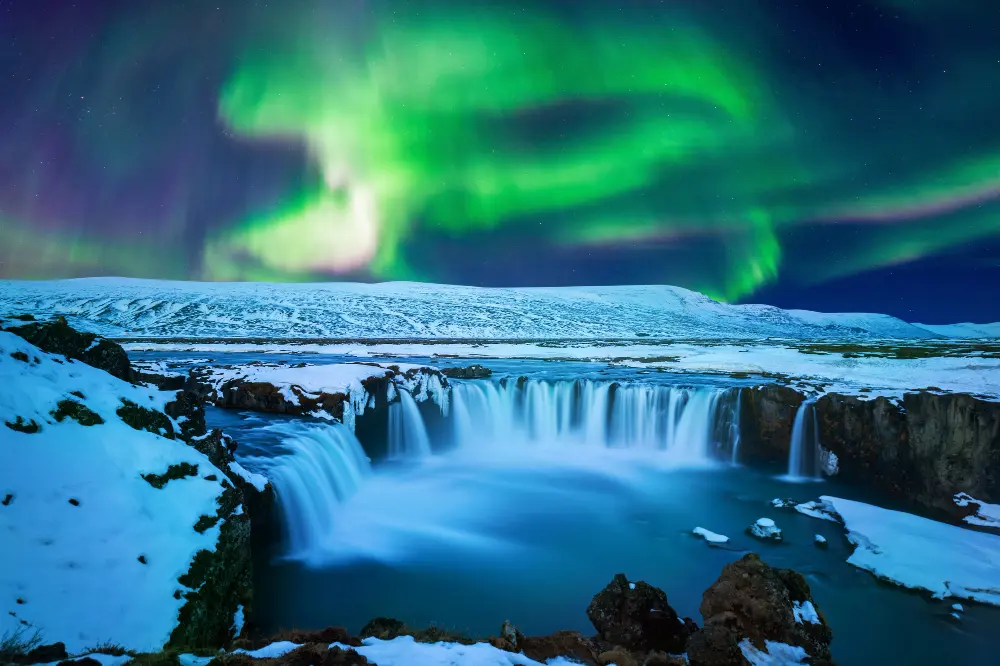
Winter (November to March): A Frozen Fairytale
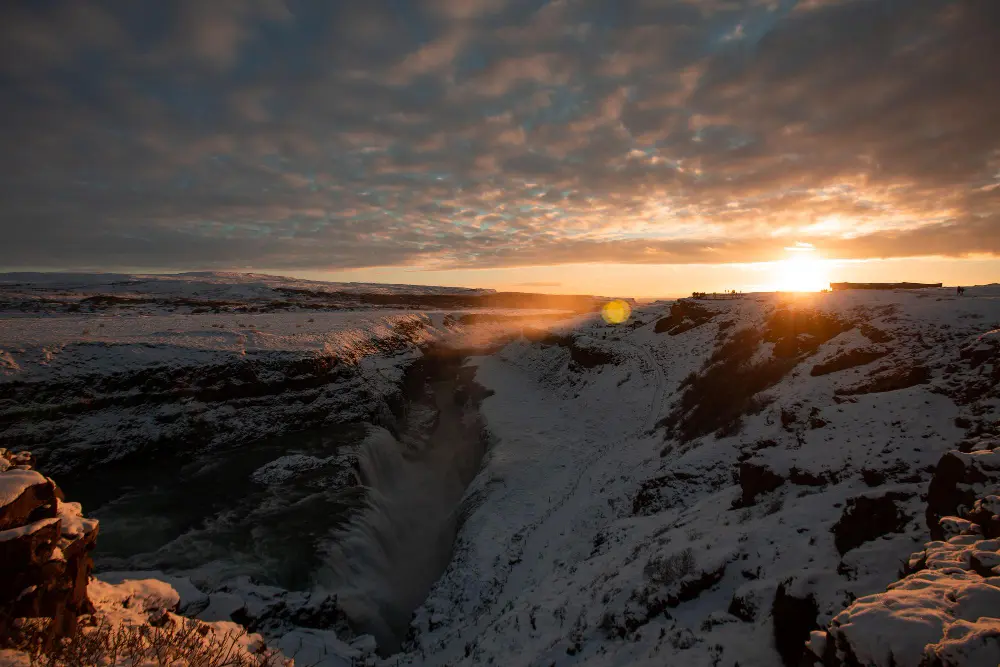
Winter in Iceland is magical, but it is not for the faint of heart. This is the season of blue ice caves, snowy peaks, and the best Northern Lights viewing.
Chasing the Northern Lights
To see the Aurora, you need three things: darkness, clear skies, and solar activity. Winter provides the darkness in spades. You can track the forecast through the Icelandic Meteorological Office, which provides a specific Aurora forecast map.
Winter Driving Safety
This is the most critical aspect of how to plan a trip to Iceland during the colder months. Roads are often covered in black ice or deep snow.
- Rent a 4×4: This is non-negotiable in winter.
- Check Conditions: Check Road.is every single morning before leaving your hotel.
- Short Days: In December, you may only have 4 to 5 hours of daylight. Plan your driving for the dark hours and your sightseeing for the midday light.
Ice Caves and Hot Springs
Winter is the only time you can safely enter the natural blue ice caves formed in glaciers like Vatnajökull. After a cold day of exploring, there is nothing better than soaking in a geothermal pool. While the Blue Lagoon is famous, consider visiting the Sky Lagoon or local municipal pools for a more authentic experience.
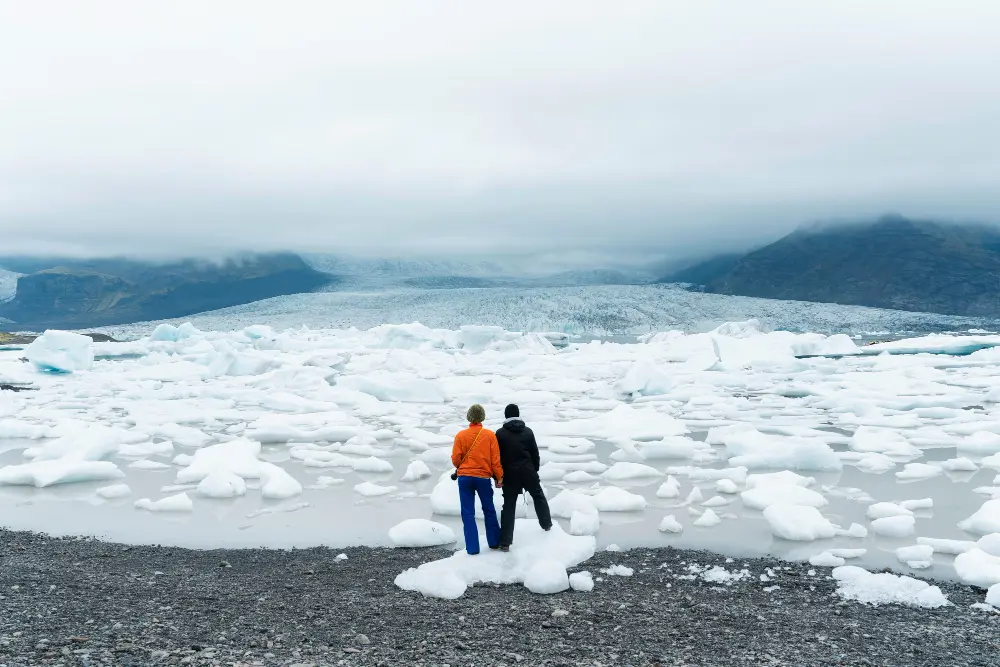
Spring (April to May): The Great Awakening
Spring is the shortest season in Iceland. It is a time of transition where the snow begins to melt, and the migratory birds return.
Budget-Friendly Travel
If you are looking for how to plan a trip to Iceland on a budget, May is often the cheapest month. The weather is improving, the days are getting longer, and the “summer prices” haven’t quite kicked in yet. You might see “four seasons in one day” (snow in the morning and sunshine by lunch), but the lack of crowds at sites like Seljalandsfoss makes the unpredictability worth it.
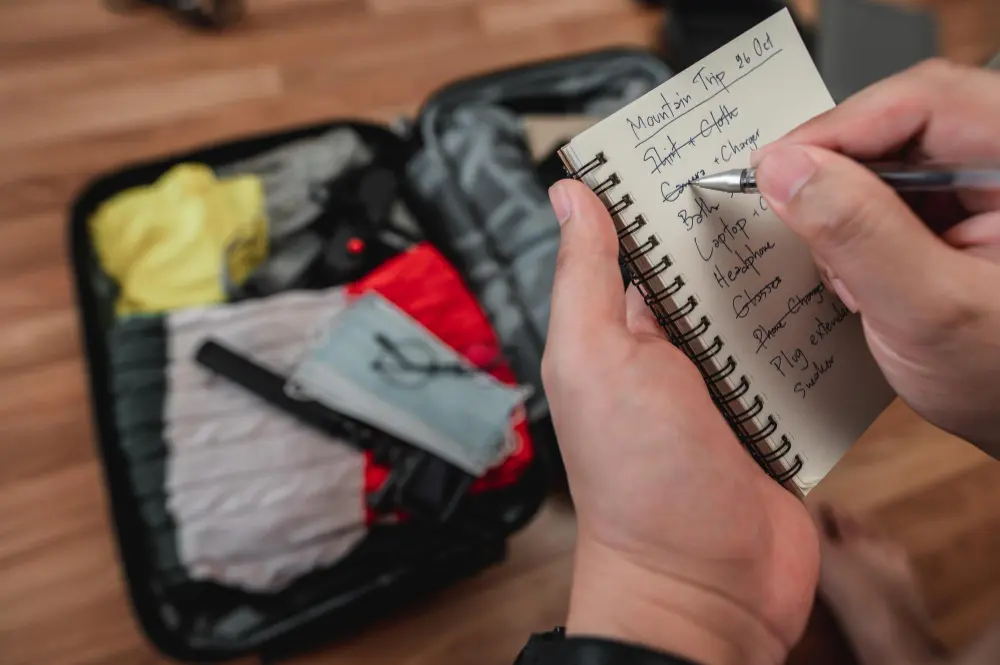
Essential Planning Checklist
No matter which season you choose, there are several “must-dos” that apply to every Icelandic adventure.
1. The Packing List
Icelanders have a saying: “There is no such thing as bad weather, only bad clothing.” To stay comfortable, you must dress in layers.
- Base Layer: Moisture-wicking wool or synthetic fabrics.
- Mid Layer: A fleece or down jacket for insulation.
- Outer Layer: A high-quality waterproof and windproof shell. (Note: Umbrellas are useless in Iceland due to the wind).
- Footwear: Sturdy, waterproof hiking boots with good ankle support.

2. Transportation
Most travelers choose to drive themselves. The Ring Road (Route 1) circles the entire island and is roughly 828 miles long. If you don’t want to drive, many reputable tour operators offer guided bus tours that depart from Reykjavik. For those looking for unique stays, Airbnb offers many cabins in the Icelandic countryside that provide a front-row seat to the Northern Lights.
3. Food and Currency
Iceland is expensive. To save money, shop at local grocery stores like Bónus or Krónan.
- Credit Cards: You do not need cash in Iceland. Even the smallest public toilets in the middle of nowhere accept credit cards or mobile payments.
- Water: Do not buy bottled water. Icelandic tap water is some of the cleanest and most delicious in the world. Bring a reusable bottle and fill it up anywhere.
4. Respecting the Nature
Iceland’s ecosystem is fragile. The volcanic soil and arctic moss take decades to recover if stepped on. Always stay on marked paths and never drive off-road (it is strictly illegal and carries heavy fines).
How to Build Your Itinerary
When figuring out how to plan a trip to Iceland, the length of your stay will determine how much you can see.
- 3 to 5 Days: Focus on Reykjavik, the Golden Circle (Þingvellir National Park, Geysir, and Gullfoss), and the South Coast (up to Vík).
- 7 to 10 Days: This is the ideal timeframe to drive the full Ring Road. You will have time to see the East Fjords and the whale-watching capital of Akureyri in the North.
- 14+ Days: With two weeks, you can add the Westfjords, one of the most remote and stunning parts of the country that remains untouched by mass tourism.
Final Thoughts
Iceland is a destination that rewards the well-prepared. By understanding the seasonal shifts, respecting the power of the weather, and booking your essentials in advance, you turn a potentially stressful logistics puzzle into the trip of a lifetime. Whether you are standing under a waterfall in the bright July sun or watching the green lights swirl over a frozen glacier in January, Iceland will leave you changed.
The key to success is simple: respect the land, prepare for the wind, and always keep your camera ready.