 By Thomas Laic
If you’ve been daydreaming about switching off your phone, breathing real fresh air, and trading crowds for coastline, you’re not alone. A growing wave of travelers is looking for quiet islands and tranquil destinations that feel restorative, places where the main “agenda” is nature, slow mornings, and long walks with zero rush.
That’s where destinations like the Azores (Portugal), Isla Holbox (Mexico), and Raja Ampat (Indonesia) shine. They’ve been appearing more and more in conversations about emerging travel destinations because they deliver something many popular hotspots have lost: space, stillness, and genuine connection with the environment.
In this guide, you’ll get a detailed look at why these places are trending for travelers who want disconnection, nature, and peace, plus practical tips for planning a calm trip that doesn’t turn into a stressful checklist.
Why Quiet Island Destinations Are Trending Right Now
Not every vacation needs to be packed with museums, reservations, and “must-see” lists. For many travelers, the new luxury is:
- Silence (or at least… fewer engines, fewer speakers, fewer people)
- Wild landscapes that don’t feel overly curated
- Slow travel: staying longer, doing less, feeling more
- Nature-based experiences like snorkeling, hiking, kayaking, and wildlife spotting
- Digital detox travel, even if it’s just “airplane mode by choice”
Social media has definitely played a role, but not in the way you might think. Instead of pushing people to chase viral landmarks, it’s also helping them discover hidden islands and peaceful escapes that were once known mostly to divers, hikers, and locals.
The Azores, Holbox, and Raja Ampat are all different in culture, cost, and logistics, but they share the same core appeal: they feel like a reset.
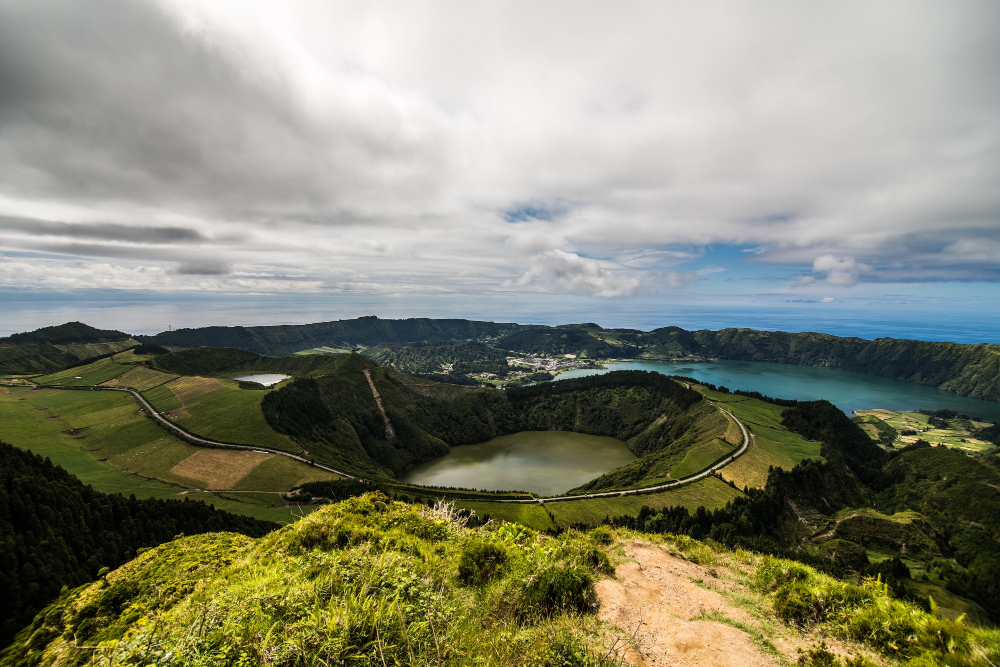
The Azores, Portugal: Atlantic Calm, Volcanoes, and Green Everywhere
The Azores are an autonomous Portuguese archipelago in the middle of the Atlantic Ocean, and they’re one of Europe’s best choices for travelers who want a quiet, nature-first island vacation without the party scene.
What makes the Azores a peaceful destination?
The Azores feel serene because the islands prioritize nature. You’re not going for big-city nightlife, you’re going for:
- Volcanic landscapes and crater lakes
- Natural hot springs
- Coastal viewpoints and quiet beaches
- Hiking trails that look like movie scenery
- Whale watching in open Atlantic waters
Even on the most visited island, São Miguel, you can drive 20–40 minutes and find viewpoints or trailheads that feel surprisingly empty, especially outside peak summer.
Best islands in the Azores for a calm getaway
You can visit multiple islands, but if your goal is tranquility, consider:
- São Miguel: easiest logistics, lots of nature, great “first Azores” base
- Pico: dramatic volcanic mountain, vineyards, and a slower rhythm
- Flores: waterfalls, lush cliffs, and a remote feel (weather permitting)
- Terceira: charming towns, but still relaxed compared to mainland tourist centers
Top nature experiences (without feeling rushed)
If you’re building a calm itinerary, focus on a few slow highlights:
1) Sete Cidades (São Miguel)
A crater lake with iconic viewpoints. Go early morning for misty, quiet scenery.
2) Furnas Valley (São Miguel)
Hot springs, geothermal pools, and volcanic cooking traditions. Perfect for a “do nothing but soak” day.
3) Whale watching
The Azores are one of Europe’s standout whale-watching regions. Choose smaller group tours if you want a quieter experience.
4) Coastal drives and miradouros (viewpoints)
One of the simplest pleasures in the Azores is just driving, stopping, and staring at the ocean with zero pressure.
Best time to visit the Azores for fewer crowds
For a peaceful trip, aim for:
- Late spring (April–June): green landscapes, mild weather, fewer tourists
- Early fall (September–October): still pleasant, calmer than peak summer
- Winter can be quiet but wetter, great if you don’t mind dramatic weather
Practical tips for a quiet Azores trip
- Rent a car: public transport exists but a car gives freedom to avoid crowded tour schedules.
- Stay outside main town centers if you want silence, rural guesthouses and eco-lodges are ideal.
- Plan for weather changes: the Azores can shift quickly; build flexibility into your days.
Who the Azores are best for: hikers, nature lovers, couples, solo travelers who want calm, and anyone who prefers green landscapes over beach clubs.

Isla Holbox, Mexico: Barefoot Vibes, Shallow Seas, and No Rush
Isla Holbox (pronounced “Hol-bosh”) sits off the northern coast of Mexico’s Yucatán Peninsula. It’s known for its laid-back energy, sandy streets, and a pace that naturally encourages you to slow down.
Why Holbox feels like a true “disconnect” island
Holbox has long been loved for its chill atmosphere. Even though it’s more popular than it used to be, it still offers:
- A small-island feel (walkable, bike-friendly)
- Calm, shallow waters ideal for floating and relaxing
- Sunsets that become a daily ritual
- A “you’re not supposed to hurry here” mindset
Depending on where you stay and when you visit, it can feel like the kind of place where time stretches, especially if you build your days around simple things: coffee, beach, reading, and slow dinners.
What to do in Holbox if you want peace (not parties)
1) Beach days with long walks
Holbox beaches are made for wandering. You can walk far enough that the town noise disappears.
2) Bioluminescence (seasonal)
On dark nights, some areas around Holbox can glow with bioluminescent plankton. Go with a responsible guide and avoid tours that feel too crowded.
3) Punta Mosquito
A famous sandbar area that can be stunning—best early in the morning.
4) Birdwatching and nature tours
Holbox is part of the Yum Balam nature reserve region, and wildlife experiences can be surprisingly peaceful when done with small groups.
5) Kayaking or paddleboarding in calm waters
Perfect for travelers who want gentle activity without intensity.
Best time to visit Isla Holbox for tranquility
Crowd levels and weather matter here:
- November to early March: generally pleasant weather, popular season
- Late April to June: warmer, often quieter before peak summer travel
- July to September: hotter and more humid; also the window when people visit for whale shark tours (availability varies by year and regulations), so it can be busier in certain weeks
For a calm vibe, consider late spring or early fall, and avoid major holiday periods when the island fills up.
Practical tips for a relaxed Holbox trip
- Choose lodging slightly outside the center for quieter nights.
- Bring cash (ATMs can be unreliable, and small businesses often prefer it).
- Pack for sand: sandals, light clothing, and something to protect electronics from fine sand and humidity.
- Slow down your itinerary on purpose, Holbox is not a place to “do everything.”
Who Holbox is best for: travelers who want beach relaxation, couples, friends who want calm with some casual dining, and anyone who loves barefoot island life.
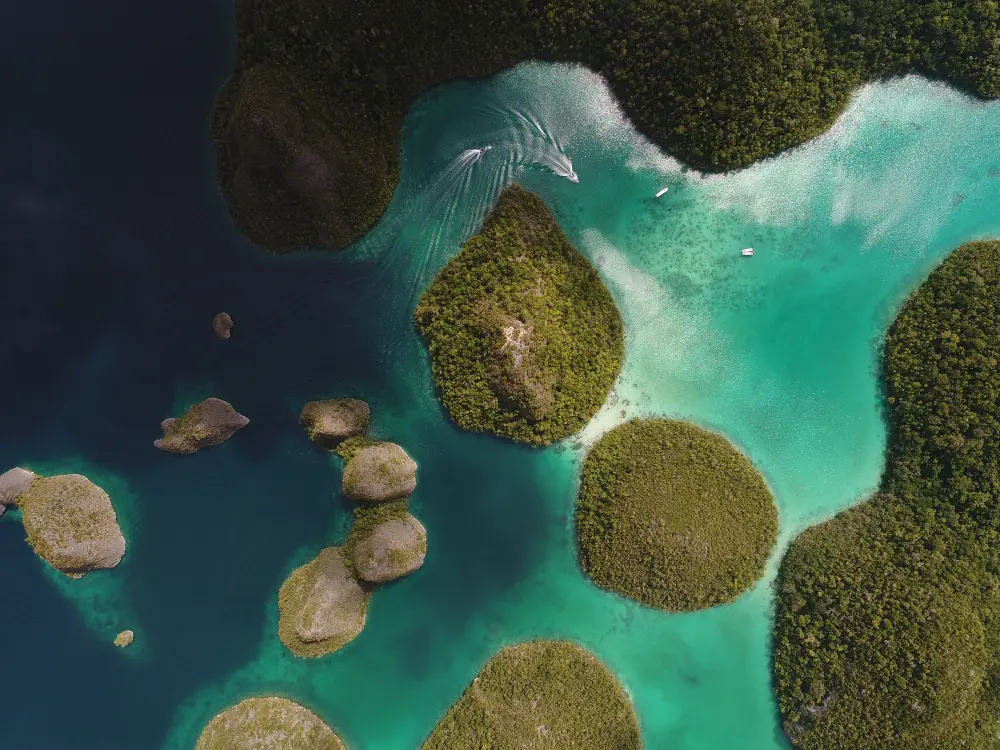
Raja Ampat, Indonesia: Remote Paradise for Nature Lovers and Divers
If you’re looking for the kind of nature that makes you whisper “this can’t be real,” Raja Ampat belongs at the top of your list. Located in West Papua, Indonesia, Raja Ampat is often described as one of the most biodiverse marine regions on Earth, and even for non-divers, the scenery is jaw-dropping.
Why Raja Ampat is an emerging destination for disconnection
Raja Ampat isn’t “easy,” and that’s part of why it stays peaceful.
Getting there typically involves multiple flights and boat transfers. Many accommodations are eco-resorts or homestays that run on simple rhythms. Once you arrive, your days revolve around:
- Snorkeling in crystal-clear lagoons
- Boat rides through limestone karst islands
- Quiet beaches with zero crowds
- Sunrises, reef time, and early nights
It’s a place that naturally encourages minimal screen time because the real entertainment is outside.
Nature experiences that define Raja Ampat
1) Snorkeling that feels like an aquarium
Even from the surface, the marine life can be incredible.
2) Lagoon viewpoints (like the famous karst island panoramas)
Short hikes lead to iconic lookout points over turquoise water and island clusters.
3) Island hopping by boat
Many experiences are boat-based, and the best trips feel like private adventures, especially if you coordinate with a smaller operator.
4) Diving (for certified travelers)
Raja Ampat is legendary among divers. If you dive, plan extra days so you’re not rushed between transfers.
Best time to visit Raja Ampat
In general, Raja Ampat is visited year-round, but calmer seas and better visibility often align with certain seasons. Many travelers aim for the drier months for smoother travel days, but conditions can vary.
For a peaceful trip, prioritize:
- Shoulder season for fewer guests at resorts
- Longer stays (even 5–7 nights) so the travel effort feels worth it
Practical tips for a smooth, low-stress Raja Ampat trip
- Plan logistics carefully: transfers between Sorong and the islands are typically by boat/ferry.
- Pack reef-safe essentials: sunscreen, rash guards, and snorkeling gear if you prefer your own.
- Choose an eco-lodge/homestay aligned with your comfort level: some are very simple; others are more resort-like.
- Build in buffer time: weather can affect boats and flights. Flex days help keep the trip calm.
Who Raja Ampat is best for: divers and snorkelers, serious nature travelers, honeymooners who want remote beauty, and anyone willing to travel farther for a once-in-a-lifetime reset.
How to Choose the Right Quiet Island for Your Travel Style
Here’s a quick way to decide:
Choose the Azores if you want…
- Dramatic green landscapes and volcanoes
- Hiking + scenic drives
- A European destination with strong infrastructure
- Mild weather and cozy rural stays
Choose Isla Holbox if you want…
- Easygoing beach days and warm water
- A relaxed, walkable island with casual food spots
- Shorter travel time (especially from North America)
- A “do nothing and feel happy” vibe
Choose Raja Ampat if you want…
- Remote, wild beauty and extraordinary marine life
- Snorkeling/diving as the main event
- Eco-focused stays and quiet evenings
- A true digital detox destination

Tips for Planning a Peaceful Nature Trip (Without Accidentally Making It Stressful)
Even calm destinations can feel chaotic if you over-plan. These strategies help protect the “disconnect” vibe:
- Stay longer in one place
A 7-day trip with 2 hotels usually feels calmer than 7 days across 4 hotels. - Pick one “big activity” per day
Whale watching or a hike. Snorkeling or a viewpoint trek. Let the rest of the day breathe. - Choose accommodations designed for quiet
Look for eco-lodges, small inns, and places that emphasize nature rather than nightlife. - Build a no-phone routine
Even small rules help: no scrolling before breakfast, airplane mode after dinner, or “photos only, no apps.” - Travel in shoulder season when possible
Crowds are the biggest enemy of tranquility. Shoulder season can make the same destination feel entirely different.
Want more practical travel advice?
In our travel tips section, you’ll find helpful guides on planning calmer trips, avoiding crowds, choosing the right accommodations, and traveling at a slower, more mindful pace, tips designed to make your trips easier, smoother, and more enjoyable.
👉 Explore our travel tips and planning guides
FAQs: Quiet Islands and Emerging Nature Destinations
Are the Azores good for a relaxing trip even if I don’t hike?
Yes. While hiking is popular, many travelers enjoy the Azores for scenic drives, viewpoints, hot springs, and quiet rural stays. You can build a very relaxing itinerary without intense trails.
Is Isla Holbox still peaceful, or is it too crowded now?
Holbox can feel busy during peak periods, but it’s still possible to have a peaceful trip, especially if you stay slightly outside the center, avoid holidays, and plan slower beach-focused days.
Is Raja Ampat only for divers?
No, but it’s especially appealing if you love snorkeling or being on the water. Even non-divers can have an incredible experience with boat trips, lagoons, and reef snorkeling close to shore.
Which destination is best for a digital detox vacation?
All three can work, but Raja Ampat is the most “forced disconnect” due to its remoteness and nature-first routines. The Azores and Holbox can also be excellent if you set boundaries with your phone.
What’s the biggest mistake people make when planning a quiet island trip?
Trying to “see everything.” The whole point of these destinations is to slow down. Leave space in your schedule for nothingness, that’s where the magic happens.
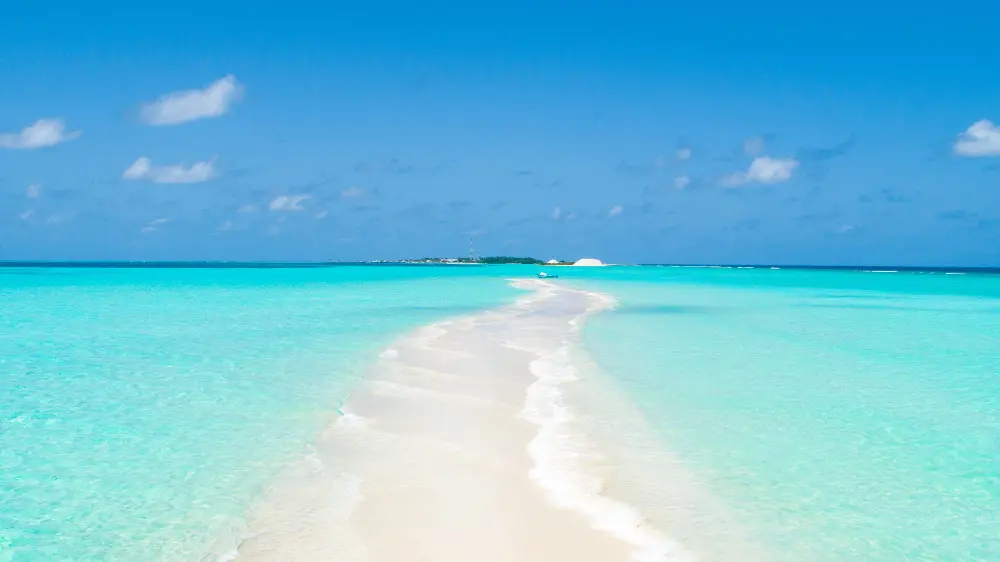
The New Luxury Is Quiet
The Azores, Isla Holbox, and Raja Ampat are emerging favorites for travelers craving nature, silence, and the feeling of being far away from daily noise. Whether you prefer volcanic landscapes, barefoot beach life, or remote turquoise lagoons, these destinations offer something rare: a chance to actually come back feeling rested.