 By Elois da Costa
Learning how to travel in Japan requires a mix of high-tech navigation, deep respect for ancient traditions, and a bit of logistical planning to ensure you maximize your time in the Land of the Rising Sun. To travel successfully, you must master the Japan Rail Pass system, understand the silent etiquette of public spaces, and embrace the local “Omotenashi” hospitality. This guide breaks down the essential steps for a seamless journey, from navigating the complex Tokyo metro to finding the best hidden ramen shops in Kyoto.
Mastering the Art of Transportation
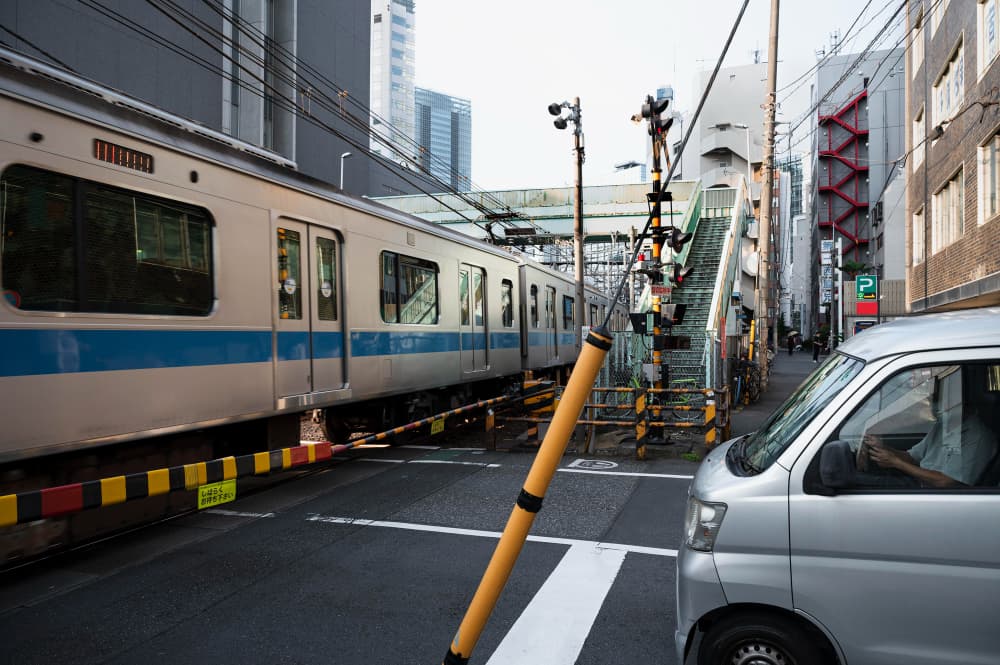
The most intimidating part of planning your trip is often figuring out how to get around. Japan has one of the most efficient transportation networks in the world, but its complexity can be overwhelming for first-timers.
The Shinkansen and the Rail Pass
The “bullet train” or Shinkansen is the backbone of Japanese travel. These trains are punctual to the second and reach speeds of up to 320 km/h (200 mph). For many years, the Japan Rail (JR) Pass was a mandatory purchase for every tourist. However, following significant price increases, you should now use a JR fare calculator to see if a regional pass or individual tickets are more cost-effective for your specific itinerary.
Navigating Local Transit with IC Cards
When you are within cities like Tokyo or Osaka, you won’t want to buy paper tickets every time you enter a station. Instead, use an IC Card (Suica, Pasmo, or Icoca). These are rechargeable “tap-and-go” cards that work on almost all trains, buses, and even at vending machines. You can now easily add a digital Suica or Pasmo to your smartphone wallet, allowing you to breeze through ticket gates with a simple tap of your phone.
Buses and Domestic Flights
In mountainous regions like Hakone or the Japanese Alps, buses are often more practical than trains. Companies like Willer Express offer affordable night buses that save you the cost of a hotel night while moving you between major cities. If you are heading to the far north of Hokkaido or the tropical islands of Okinawa, check Google Flights for low-cost domestic carriers like Peach or Jetstar Japan, which can often be cheaper than a long-distance train ride.
Cultural Etiquette: Being a Respectful Visitor
Understanding how to travel in Japan involves more than just booking flights; it requires an appreciation for the social harmony (wa) that governs daily life.
The Power of Silence and Space
In Japan, public spaces are shared with a high degree of consideration. On trains, you will notice a lack of loud conversation and phone calls. It is considered polite to keep your voice low and your headphones at a volume that doesn’t leak sound. Additionally, eating while walking is generally looked down upon. If you buy a snack at a “konbini” (convenience store), it is best to eat it right there or take it back to your accommodation.
Tipping and Cash Culture
One of the most refreshing aspects of Japanese culture is the absence of a tipping culture. In fact, leaving extra money on the table can sometimes cause confusion, as servers might chase you down to return “forgotten” change. Excellent service is considered a standard, not an extra.
While Japan is becoming more credit-card friendly, it remains a surprisingly cash-heavy society. Small shops, temples, and traditional guesthouses (ryokans) often only accept yen. Always carry a coin purse, as you will find yourself accumulating many 100 and 500 yen coins.
Shrines vs. Temples
You will likely visit dozens of religious sites. It is helpful to know the difference:
- Shrines (Shinto): Marked by a “torii” gate at the entrance. You should bow slightly before entering and wash your hands at the purification fountain.
- Temples (Buddhist): Usually house a statue of Buddha and feature a large incense burner.

Insider Tips for a Smoother Journey
To truly elevate your experience, you need to look beyond the standard tourist brochures. These “insider” strategies will save you time and stress.
Use Luggage Forwarding (Takkyubin)
Dragging heavy suitcases through crowded train stations and up narrow stairs is a common mistake. Japan offers an incredible service called Yamato Transport, or Takkyubin. For a small fee (usually $15 to $25), you can send your luggage from your hotel in Tokyo to your next hotel in Kyoto. It arrives the next day, allowing you to travel “hands-free” with just a small backpack.
The Magic of the Konbini
The Japanese convenience store (Seven-Eleven, Lawson, and FamilyMart) is a cultural icon. Unlike the gas station snacks you might find in the US, these stores offer high-quality fresh food, including onigiri (rice balls), bento boxes, and seasonal sweets. They are also the best place to find international-friendly ATMs and clean public restrooms.
Renting a Pocket Wi-Fi or eSIM
Google Maps is your best friend when learning how to travel in Japan. It provides precise platform numbers and “best car to board” information for the subway. To stay connected, order a pocket Wi-Fi device or an eSIM before you arrive. While many cafes offer free Wi-Fi, it is often unreliable and requires a complex sign-up process.
Seasonal Planning: When to Go
Your experience will change drastically depending on the month you choose to visit.
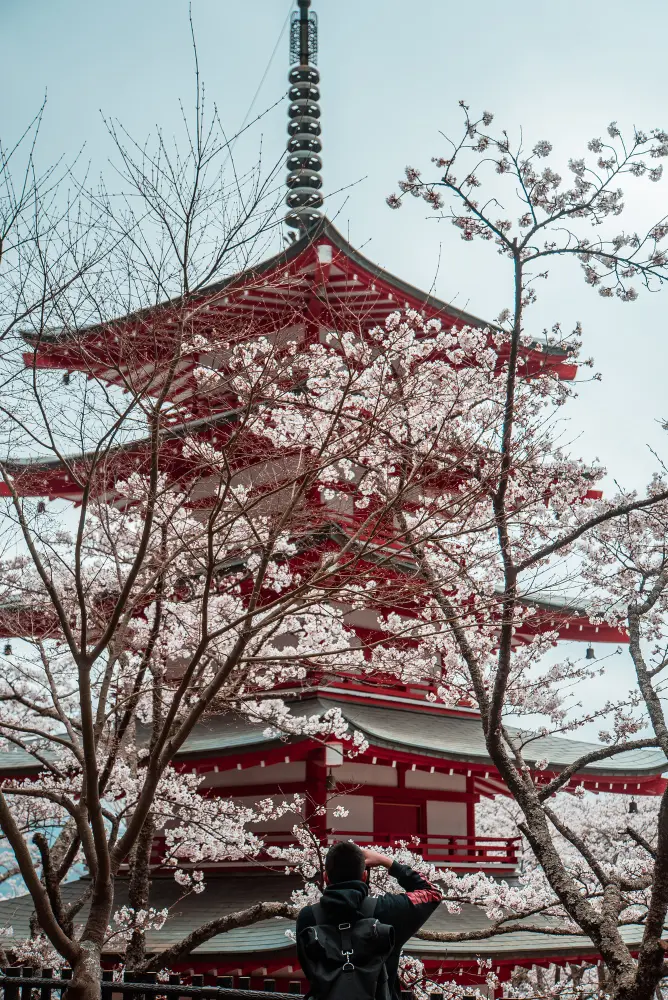
- Spring (March to May): Famous for the “Sakura” (cherry blossoms). This is the most popular time to visit, but it requires booking hotels six months in advance.
- Summer (June to August): Expect high humidity and heat. However, this is also the season for spectacular fireworks festivals and climbing Mount Fuji.
- Autumn (September to November): The “Koyo” (autumn leaves) season offers stunning red and orange foliage with much more comfortable temperatures than summer.
- Winter (December to February): Ideal for skiing in Niseko or visiting the famous snow monkeys in Nagano. It is also the best time for “onsen” (hot spring) hopping.
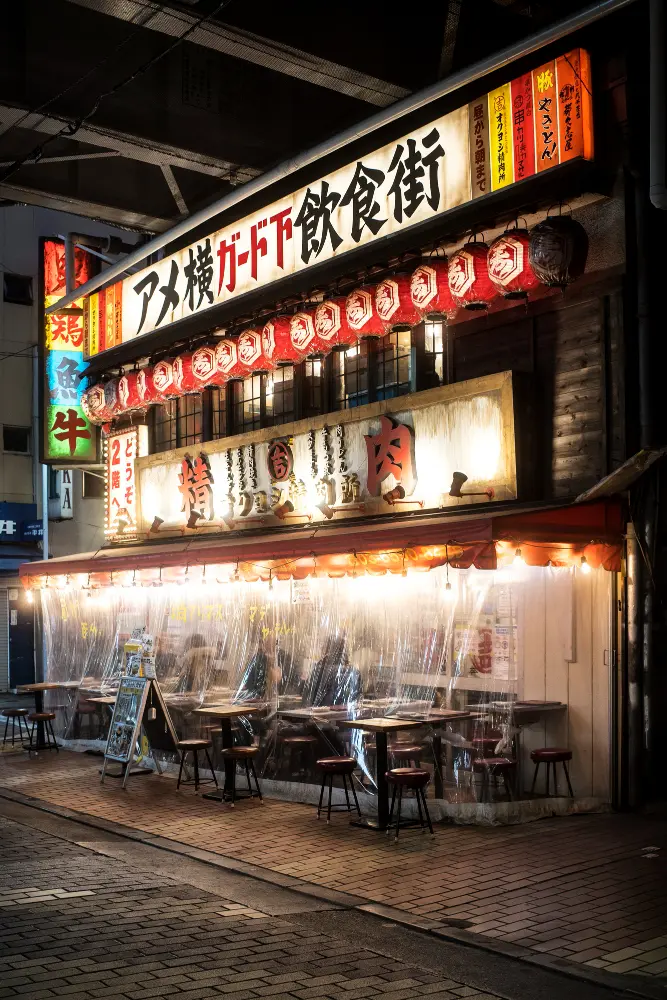
Dining Like a Local
Japanese cuisine is incredibly diverse, extending far beyond sushi.
- Ramen: Every region has its own style. In Fukuoka, try the creamy Tonkotsu; in Sapporo, go for the hearty Miso ramen.
- Izakayas: These are Japanese pubs where you order small plates of food to share. They are the best way to experience the local nightlife.
- Department Store Basements (Depachika): Head to the basement of a Takashimaya or Isetan for a mind-blowing array of high-end food, from perfectly shaped fruits to gourmet pastries.
Conclusion
Knowing how to travel in Japan is about finding the balance between careful logistics and spontaneous exploration. If you respect the local customs, embrace the efficiency of the rail system, and keep an open mind toward new flavors and experiences, Japan will likely become one of your favorite destinations in the world. Start by downloading your digital IC card, booking your first ryokan, and preparing for an adventure that feels both futuristic and deeply rooted in the past.