 By Elois da Costa
How much does it cost to travel japan in 2026? For a mid-range trip, you should expect to spend between $150 and $250 per day, which covers comfortable business hotels, a mix of local dining, and regional transportation. While Japan was once considered an expensive “once in a lifetime” splurge, the current exchange rate and the abundance of high-quality budget options make it surprisingly accessible for modern travelers. Whether you are aiming for a budget-friendly backpacker experience at $80 per day or a luxury getaway exceeding $400 per day, understanding the breakdown of your expenses is the first step toward a perfect itinerary.
The Big Picture: Daily Budget Tiers
Before we dive into the granular details of ramen bowls and train tickets, it is helpful to see which category your travel style fits into. Japan offers a unique spectrum where “budget” does not mean “low quality.” Even a cheap meal in a Japanese convenience store often surpasses the quality of fast food in many Western countries.
| Travel Style | Daily Budget (USD) | What You Get |
| Budget | $80 – $120 | Hostels or capsule hotels, convenience store meals, free shrines, and local subways. |
| Mid-Range | $150 – $250 | 3-star business hotels, sit-down restaurant meals, a few guided tours, and regional trains. |
| Luxury | $400+ | 5-star hotels or luxury ryokans, fine dining (Kaiseki), private transport, and boutique shopping. |
When calculating how much does it cost to travel japan, you must also account for the initial hurdles: flights and entry requirements. As of 2026, many travelers now encounter a small international departure tax of roughly ¥3,000 (about $20) included in their airfare, and some may need to factor in updated visa fees for Japan depending on their country of origin.

Flights: Getting There Without Breaking the Bank
Your flight will likely be your single largest upfront expense. Prices fluctuate wildly based on the season. If you are flying from the United States or Europe, a round-trip ticket usually ranges from $800 to $1,400.
To find the best deals, experts recommend using tools like Google Flights to track price drops at least six months in advance. Traveling during the “shoulder seasons” (late autumn or late winter) can save you hundreds of dollars compared to the peak cherry blossom season in April or the busy New Year period.
Accommodation: From Capsules to Castles
Japan has some of the most diverse lodging options in the world. Where you sleep will drastically shift the answer to how much does it cost to travel japan for your specific trip.
Business Hotels (The Mid-Range Hero)
In cities like Tokyo, Osaka, and Kyoto, “business hotels” (such as Daiwa Roynet or APA Hotels) offer small but incredibly clean and functional rooms. Expect to pay between $80 and $130 per night. These are perfect for travelers who plan to be out exploring all day and just need a reliable place to recharge.
Capsule Hotels and Hostels
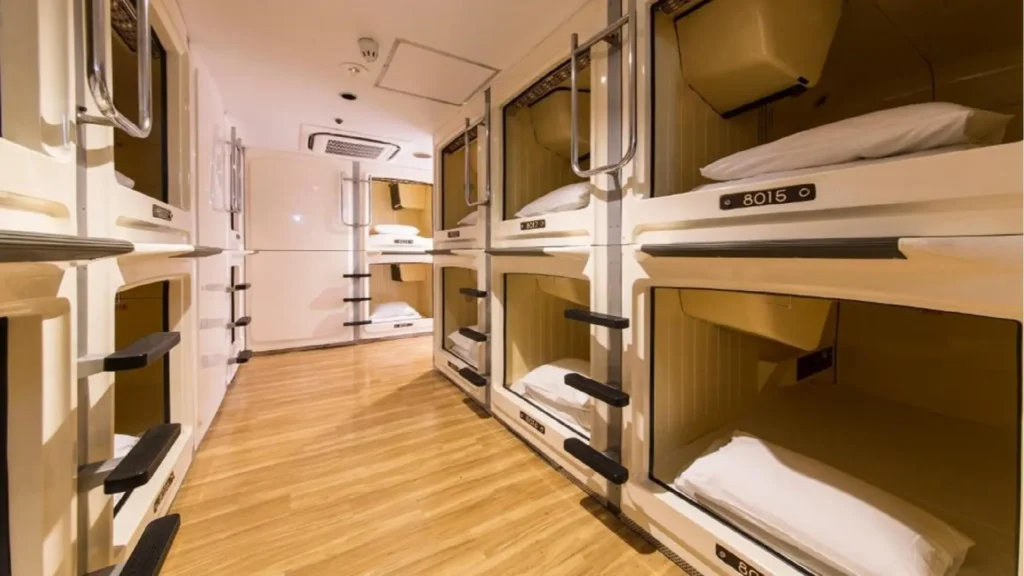
For the solo traveler on a budget, capsule hotels are a futuristic and affordable choice. Prices usually hover around $30 to $50 per night. Hostels are similarly priced and offer a more social atmosphere, which is great if you are looking for a community of fellow explorers.
Traditional Ryokans
No trip to Japan is complete without at least one night in a ryokan (a traditional inn). These stays often include an elaborate multi-course dinner (Kaiseki) and breakfast. Because of the included meals and the high level of service, prices generally range from $150 to $300 per person. While pricey, it is an essential cultural experience that many find well worth the splurge.
Transportation: Navigating the Islands
Getting around Japan is a dream thanks to its world-class rail system, but it requires a bit of math to do efficiently.
The Japan Rail (JR) Pass
In recent years, the price of the famous Japan Rail Pass has increased significantly. For a 7-day standard pass in 2026, you can expect to pay around ¥50,000 (approx. $330).
- Is it worth it? It depends on your itinerary. If you are only visiting Tokyo and Kyoto, it is often cheaper to buy individual Shinkansen (bullet train) tickets.
- The Calculation: A round trip from Tokyo to Kyoto costs roughly ¥28,000. Unless you are adding more long-distance stops like Hiroshima or Kanazawa, the pass might not save you money anymore.
Local Transport and IC Cards
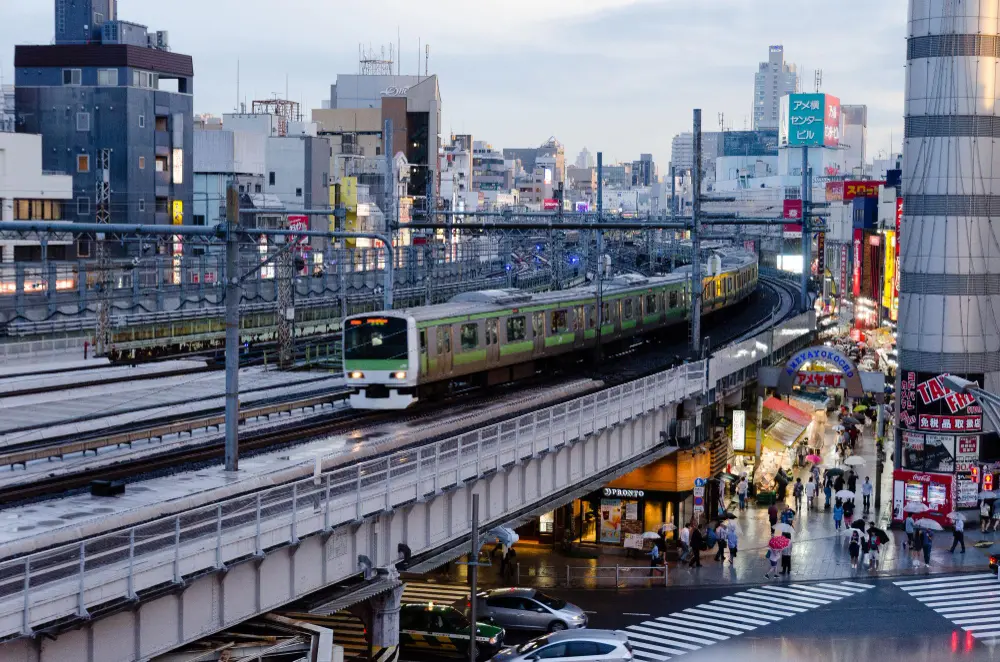
Within cities, you will use subways and buses. Most travelers spend about $5 to $10 per day on local transport. You should definitely pick up an IC Card (like Suica or Pasmo) at the airport or add a digital version to your smartphone wallet. These are “tap-and-go” cards that make navigating the turnstiles seamless.
Food and Drink: A Culinary Paradise
Food is where Japan truly shines for the budget-conscious. You can eat like royalty without a massive bill.
Convenience Stores (Konbini)
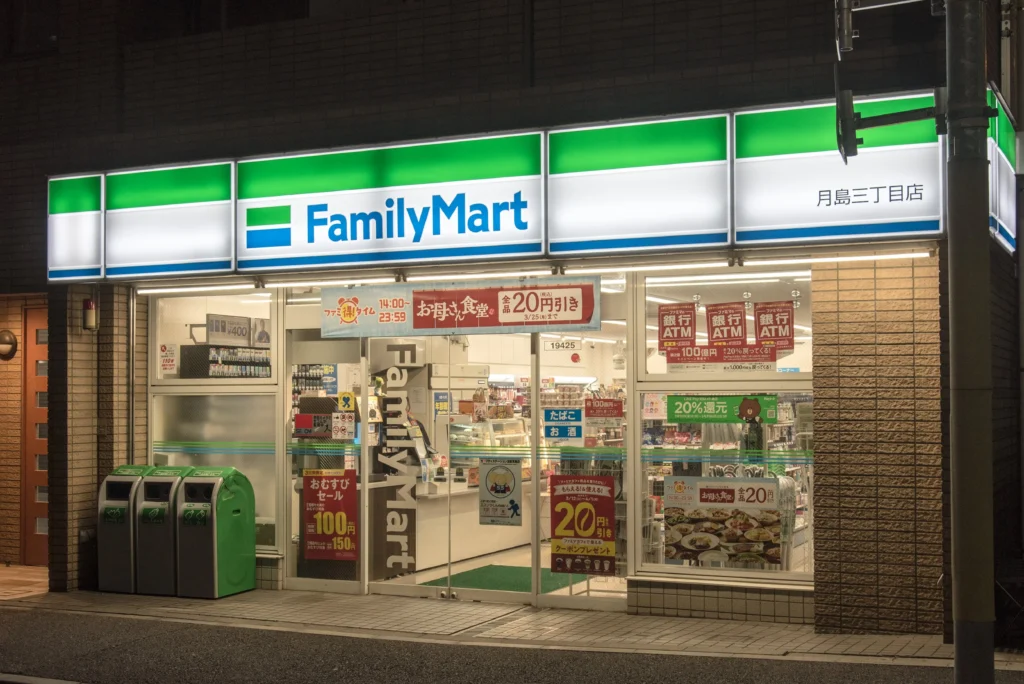
Seven-Eleven, Lawson, and FamilyMart are legendary. A high-quality breakfast of onigiri (rice balls) and coffee will cost you less than $5. For lunch, a fresh bento box is usually around $6 to $8. Many travelers rely on “konbinis” for at least one meal a day to keep costs down.
Casual Dining
A steaming bowl of world-class ramen typically costs between $7 and $12. If you visit a “Teishoku” (set meal) restaurant for lunch, you can get a main dish, rice, miso soup, and pickles for about $10.
Mid-Range and Fine Dining
A dinner at a nice Izakaya (Japanese pub) with a few drinks and several shared plates will likely run $30 to $50 per person. If you are looking for high-end sushi or a wagyu beef experience, expect to pay $100 or more.
Pro Tip: Eat your largest meal at lunch! Many high-end restaurants offer lunch sets that are 50% cheaper than their dinner menus for the exact same quality of food.
Sightseeing and Activities
Many of the best things to do in Japan are surprisingly affordable or even free.
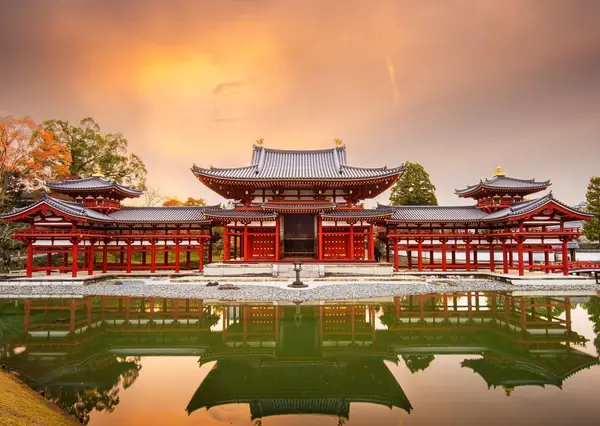
- Temples and Shrines: Many are free, while famous ones like Kinkaku-ji in Kyoto cost about $4 to $6.
- Museums and Observation Decks: Entry fees for places like the Tokyo Skytree or teamLab Borderless range from $20 to $35.
- Daily Activity Budget: Budgeting $20 to $40 per day for entrance fees and small souvenirs is usually plenty for most travelers.

Communication and Tech
Staying connected is vital for using Google Maps and translation apps.
- Pocket Wi-Fi: Great for groups, costing about $5 to $10 per day.
- eSIM: The most convenient option for solo travelers. You can get a 10GB data plan for 30 days for approximately $20 to $30 through providers like Airalo.
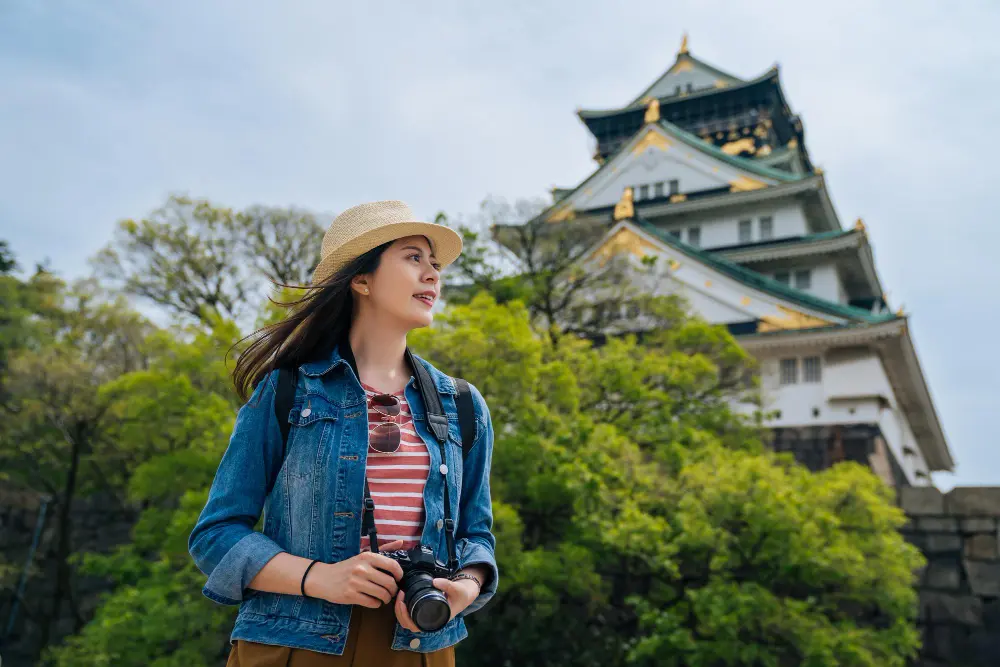
Example 14-Day Trip Budget (Mid-Range)
To give you a concrete answer to how much does it cost to travel japan, here is a realistic estimate for a two-week “Golden Route” trip (Tokyo, Hakone, Kyoto, Osaka) for one person, excluding international flights:
- Accommodation (13 nights): $1,400
- Food & Drink: $700
- Transportation (Trains & Subways): $450
- Activities & Sightseeing: $350
- SIM Card/Misc: $100
- Total: $3,000 USD
Tips to Save Money in Japan
If that total looks a bit high, do not worry. There are several ways to trim the fat from your budget without sacrificing the experience:
- Travel in the Off-Season: Avoid late March (cherry blossoms) and early May (Golden Week) when hotel prices can double.
- Use Overnight Buses: If you are young and adventurous, companies like Willer Express offer overnight buses between cities for a fraction of the cost of a bullet train, plus you save on a night of accommodation.
- Shop at 100-Yen Stores: Shops like Daiso or Can Do are perfect for buying snacks, basic travel supplies, and even high-quality souvenirs for about $0.70 each.
- Look for Free Views: Instead of paying for the Tokyo Skytree, head to the Tokyo Metropolitan Government Building in Shinjuku for a stunning panoramic view of the city for free.
Final Thoughts
Determining how much does it cost to travel japan is less about the country being “expensive” and more about the choices you make. Japan is a land where you can spend $10 on a bowl of noodles that changes your life, or $1,000 on a hotel room that overlooks a private garden. By mixing and matching budget-friendly convenience with a few well-chosen splurges, you can experience the best of Japanese culture without draining your savings.
Planning ahead is the key to perfection. Use the tools available to you, book your accommodation early through trusted platforms like Expedia, and most importantly, leave a little extra in your budget for those unexpected discoveries (the tiny hidden bars and charming stationery shops) that make Japan so special.