 By Elois da Costa
If you are planning a trip to the Land of the Rising Sun, the first question on your mind is likely: how much is it to travel to japan? For a typical 10 day trip in 2026, a solo traveler can expect to spend between $1,500 and $3,500 including international flights, while a mid range couple might spend between $4,000 and $6,000 total. While Japan has a reputation for being an expensive destination, the reality is that it offers incredible value for every price point, from budget friendly capsule hotels and $6 bowls of world class ramen to ultra luxury ryokans in the mountains of Hakone.
Planning a trip to Japan requires a bit more foresight than your average beach vacation. Between navigating the complex rail systems and choosing between the neon lights of Shinjuku or the quiet temples of Kyoto, your budget can fluctuate wildly based on your choices. This guide breaks down every single expense you will encounter, helping you plan a “perfect” trip that respects your bank account while maximizing your experience.
The Big Picture: Estimating Your Total Trip Cost
Before we dive into the specific line items, it is helpful to look at the three primary tiers of travel. These estimates assume a 10 to 12 day stay, which is the “sweet spot” for most first time visitors covering the Golden Route (Tokyo, Kyoto, and Osaka).
| Traveler Style | Daily Budget (Excl. Flights) | Total 10-Day Cost (Incl. Flights) |
| Budget (Backpacker) | $50 to $80 | $1,500 to $1,900 |
| Mid-Range (Comfort) | $120 to $200 | $2,500 to $3,500 |
| Luxury (High-End) | $400+ | $6,000+ |
When asking how much is it to travel to japan, remember that the exchange rate of the Yen plays a massive role. In recent years, the Yen has fluctuated significantly against the US Dollar, making Japan more affordable for Western tourists than it has been in decades.

International Airfare: Getting There Without Breaking the Bank
Your flight will likely be your single largest upfront expense. Prices vary drastically depending on your departure city and the time of year. If you are flying from the United States, a round trip economy ticket typically ranges from $800 to $1,500.
To find the best deals, it is essential to use tools like Google Flights to track price trends and set alerts. If you are willing to fly with a layover in cities like Seoul, Shanghai, or Taipei, you can often shave $200 to $300 off your total.
Seasonal Pricing Peaks
- Peak Season (Late March to Early April and Late October): Cherry blossom season and autumn foliage are the most expensive times to visit. Expect flights to hover around $1,400 or more.
- Shoulder Season (May, June, September): This is often the best time for a balance of weather and price.
- Low Season (January and February): This is the cheapest time to visit (excluding the New Year holidays). You can find deals as low as $700 from West Coast hubs like LAX or SFO.
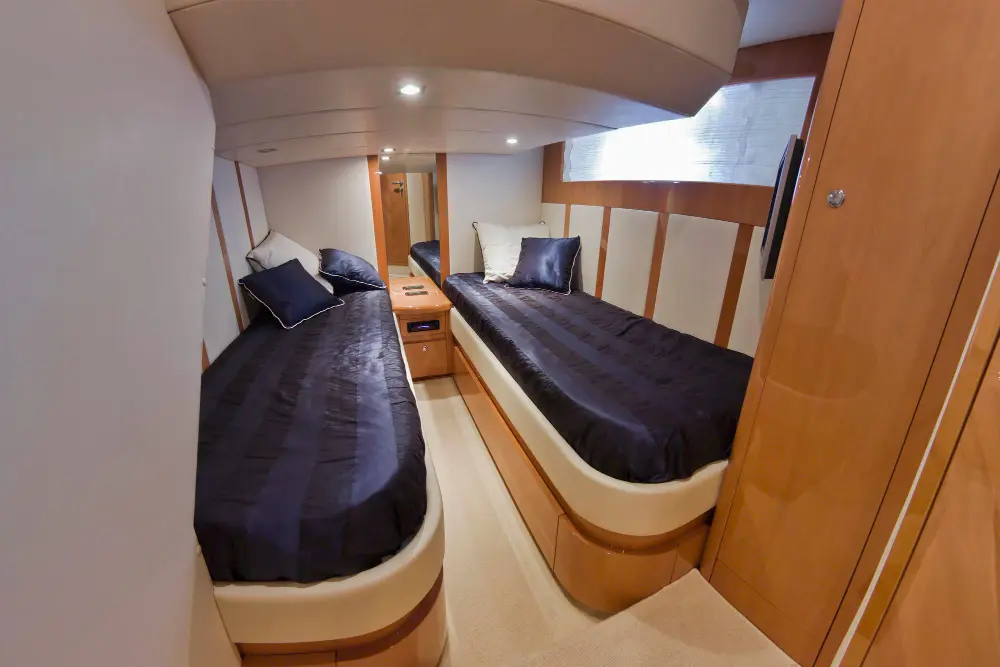
Accommodation: From Capsule Hotels to Traditional Ryokans
Japan offers some of the most unique lodging options in the world. Where you choose to sleep will heavily influence your answer to the question of how much is it to travel to japan.
Budget Options ($30 to $60 per night)
- Capsule Hotels: These are iconic to Japan. While they are essentially futuristic bunk beds, many modern “boutique” capsules offer high end amenities, saunas, and stylish lounges.
- Hostels: Japan has an incredibly clean and safe hostel culture. You can find high quality dorms in Tokyo for around $35 per night.
- Business Hotels: Chains like APA Hotel or Toyoko Inn provide small, functional rooms with private bathrooms. They are often located near major train stations and cost around $60 to $90.
Mid-Range Comfort ($120 to $250 per night)
For most travelers, standard Western style hotels or modern Japanese hotels like the Mitsui Garden chain are the go-to. These rooms are larger (though still small by American standards) and provide excellent service. You can browse a wide variety of these options on platforms like Expedia to compare prices in popular districts like Ginza or Shinsaibashi.
The Splurge: Ryokans ($300 to $700+ per night)
A ryokan is a traditional Japanese inn featuring tatami mat floors, futon beds, and often, private onsen (hot spring) baths. The price usually includes a multi course kaiseki dinner and a traditional breakfast. While expensive, staying in a ryokan for at least one night is a quintessential Japanese experience.
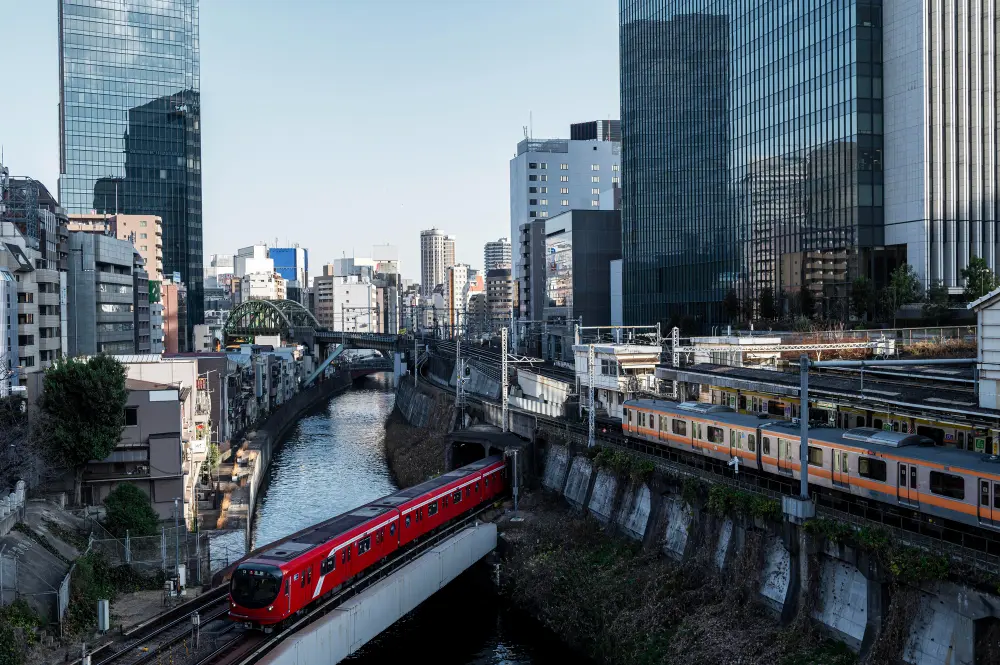
Transportation: Navigating the Islands
Transport is where many travelers get confused. Japan is famous for the Shinkansen (bullet train), which is fast and efficient but also quite pricey.
The Japan Rail (JR) Pass
In late 2023, the price of the national JR Pass increased significantly. In 2026, it is no longer an automatic “must buy” for everyone. To see if it is worth it for your specific itinerary, you should use a calculator on the official JR Pass website.
- 7-Day National Pass: Approximately $350.
- Who it is for: Travelers doing a lot of long distance travel in a short window (e.g., Tokyo to Hiroshima and back to Tokyo within 7 days).
Local Transit and IC Cards
For getting around within cities like Tokyo or Osaka, you will use subways and buses. You should purchase an IC card (like Suica or Pasmo), which is a rechargeable card you tap at the gates. You can even add these to your Apple Wallet or Google Pay. Budget about $10 to $15 per day for local city travel.
Regional Low-Cost Carriers
If you are traveling between distant islands (like Tokyo to Sapporo or Okinawa), check budget airlines like Peach or Jetstar Japan. Sometimes a flight is cheaper and faster than the bullet train.

Food and Dining: A Culinary Paradise for Every Budget
You can eat incredibly well in Japan regardless of your budget. In fact, many travelers find that food is cheaper in Japan than in major US cities like New York or San Francisco.
- Convenience Stores (Konbini): Do not sleep on 7-Eleven, Lawson, or FamilyMart. You can get a high quality onigiri (rice ball) for $1 or a full bento box for $5. It is the gold standard for budget breakfast and snacks.
- Casual Dining: A hearty bowl of ramen or a plate of “conveyor belt” sushi usually costs between $7 and $15.
- Mid-Range Restaurants: A nice dinner with drinks in a neighborhood Izakaya (Japanese pub) will likely cost between $30 and $50 per person.
- Fine Dining: Japan has more Michelin starred restaurants than almost anywhere else. A high end omakase sushi experience can range from $150 to $500 per person.
When calculating how much is it to travel to japan, many people forget to account for drinks. Vending machines are everywhere, and a bottled tea or coffee costs about $1.10.
Sightseeing and Activities: What Will You Do?
Most of Japan’s best cultural sites are surprisingly affordable. Many temples and shrines are either free or have a modest entry fee of around $3 to $5.
Popular Attraction Costs
- Tokyo Skytree: $15 to $25 (depending on the floor).
- TeamLab Borderless/Planets: $25 to $30 (book weeks in advance!).
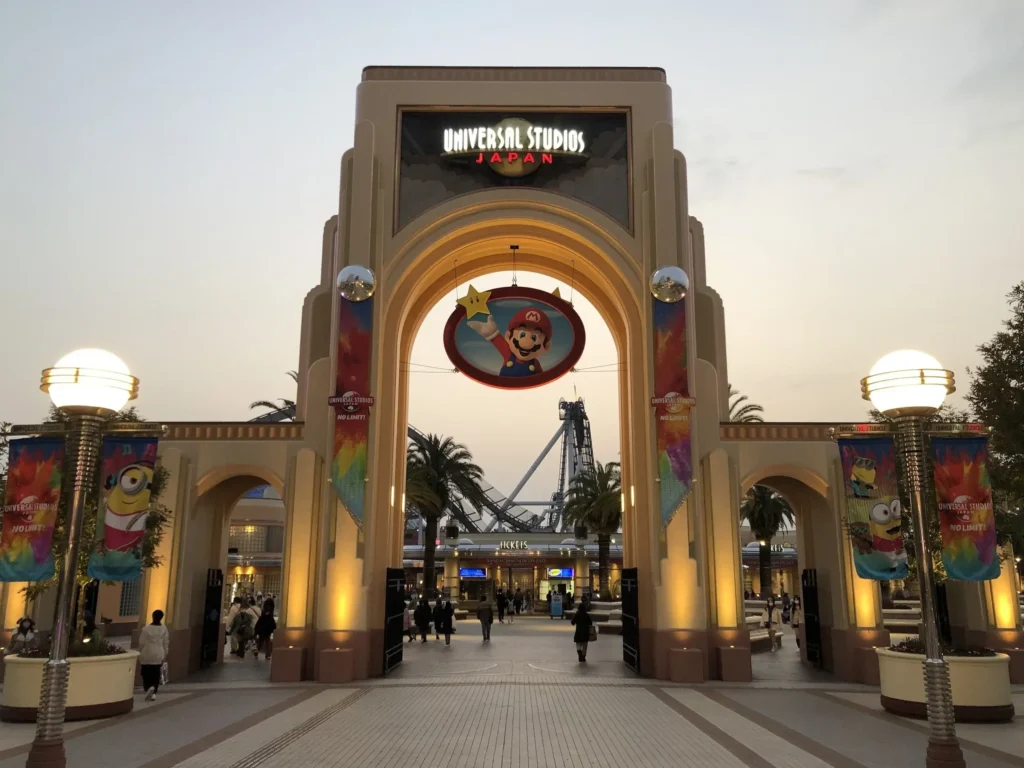
- Universal Studios Japan (Osaka): $55 to $70 for a 1 day pass.
- Ghibli Museum: Around $7 (but notoriously difficult to book).
If you plan on visiting many theme parks or high tech museums, you should add an extra $200 to your total trip budget. You can often find discounted bundles for these attractions on sites like Klook, which is very popular for Asia travel.

Connectivity and Hidden Costs
To make your trip perfect, you need to stay connected. Google Maps is your lifeline for navigating the complex train stations.
SIM Cards and Pocket Wi-Fi
- eSIM: This is the most convenient option for modern smartphones. Providers likeAiralo offer Japanese data plans starting at $5 for 1GB or $20 for 10GB.
- Pocket Wi-Fi: If you are traveling in a group, renting a pocket Wi-Fi device (pick it up at the airport) is a great way for everyone to share a single high speed connection for about $5 to $8 per day.
Travel Insurance
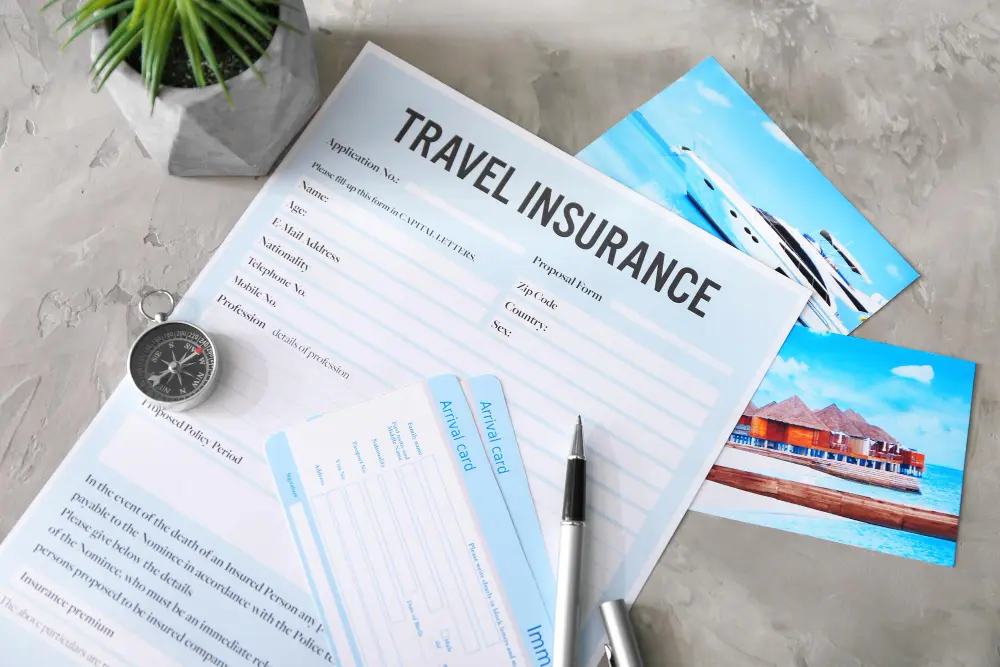
Never travel without insurance. It covers medical emergencies, trip cancellations, and lost luggage. Companies like World Nomads provide comprehensive coverage specifically tailored for international travelers. Expect to pay around $80 to $120 for a 10 day trip.

Summary of Daily Costs (Per Person)
To help you visualize your spending, here is a breakdown of what a “typical” day looks like for a mid range traveler:
- Breakfast: $6 (Convenience store coffee and pastry)
- Lunch: $15 (Ramen and a side of gyoza)
- Dinner: $40 (Izakaya meal with two drinks)
- Transport: $12 (Subway rides)
- Activities: $20 (One museum or temple entry)
- Accommodation: $80 (Half of a $160 double room)
Total Daily Spend: $173
When people ask how much is it to travel to japan, this $170 to $200 daily range is the most realistic answer for someone who wants to be comfortable, eat well, and see the major sights without constant stress.
Practical Tips for Saving Money in Japan
- Tax-Free Shopping: If you spend more than 5,000 Yen ($35 approx.) at participating stores (like Don Quijote or Uniqlo), you can get the 10% consumption tax waived immediately. Just bring your passport!
- Eat Your Big Meal at Lunch: Many high end restaurants offer lunch sets that are 50% cheaper than their dinner menus for the exact same quality of food.
- Use an IC Card: It avoids the hassle of buying individual paper tickets and sometimes offers a tiny discount on fares.
- Free City Views: Instead of paying for the Tokyo Skytree, head to the Tokyo Metropolitan Government Building in Shinjuku. The observation deck is completely free and offers stunning views of the city (and Mt. Fuji on clear days).
Conclusion: Is Japan Within Your Reach?
So, how much is it to travel to japan? While the numbers might seem daunting at first glance, Japan is a destination that rewards careful planning. By choosing a mix of affordable street food and the occasional splurge, using regional transit passes wisely, and booking your flights during the shoulder season, you can experience the magic of Tokyo, Kyoto, and beyond without emptying your life savings.
Japan is no longer a “once in a lifetime” expensive dream, it is a highly accessible, incredibly safe, and deeply rewarding destination for any traveler willing to do a little bit of homework. Whether you are there for the neon lights, the ancient history, or the world class hospitality, every dollar spent in Japan feels like an investment in a truly unique experience.