 By Elois da Costa
Traveling without stress starts with understanding airline baggage rules, a topic that often causes confusion, unexpected fees, and bad experiences, especially on a first trip. Although each airline has its own policies, there are clear patterns that, once understood, make any international or domestic journey much easier.
This guide is designed for beginners and frequent travelers who want to avoid common mistakes. You will not find generic definitions here, but practical explanations, real examples, and tips you can apply to popular destinations among English-speaking travelers. If you learn how to interpret airline baggage rules, you will be able to choose flights more wisely, pack smarter, and travel with greater peace of mind.
Table of Contents
- What airline baggage rules really mean
- Carry-on luggage vs checked luggage
- Basic fares and their impact on baggage
- Most common size and weight limits by airline type
- Prohibited items and frequent restrictions
- How to correctly read a baggage policy
- Ideal destinations for beginners and how baggage rules matter
- New York
- London
- Tokyo
- Barcelona
- Common mistakes that lead to extra fees
- Practical tips to avoid surprises
- Frequently asked questions about airline baggage rules

1. What airline baggage rules really mean
Airline baggage rules determine what you can bring, how much it weighs, how many pieces are allowed, and how much you will pay if you exceed those limits. These rules are not universal and can vary depending on the fare, route, and aircraft type.
Many airlines advertise low prices that only include a personal item. Not knowing this difference is one of the main causes of extra charges at the airport. Understanding these rules allows you to compare flights more realistically.
2. Carry-on luggage vs checked luggage
Carry-on luggage
Generally includes:
- One small suitcase
- One personal item, such as a backpack or purse
Common dimensions are around 55 x 40 x 20 cm, but they vary by airline.
Checked luggage
This is the luggage you drop off at the counter. It usually allows between 20 and 23 kg per piece. Some airlines charge for each bag starting with the first one.
Key tip: Always check whether carry-on luggage is included or if only a personal item is allowed.
3. Basic fares and their impact on baggage
“Basic” or “Light” fares are common on traditional airlines and almost always exclude a full-size carry-on bag. Even though they look cheap, they can end up costing more.
When it comes to airline baggage rules, the fare is just as important as the route. Two identical flights can have completely different baggage policies.
4. Most common size and weight limits by airline type
Traditional airlines
- Carry-on luggage included
- 23 kg checked baggage on long-haul flights
Low-cost airlines
- Personal item only
- Baggage is paid separately
- Strict size checks
This point is crucial when planning short trips or city getaways.
5. Prohibited items and frequent restrictions
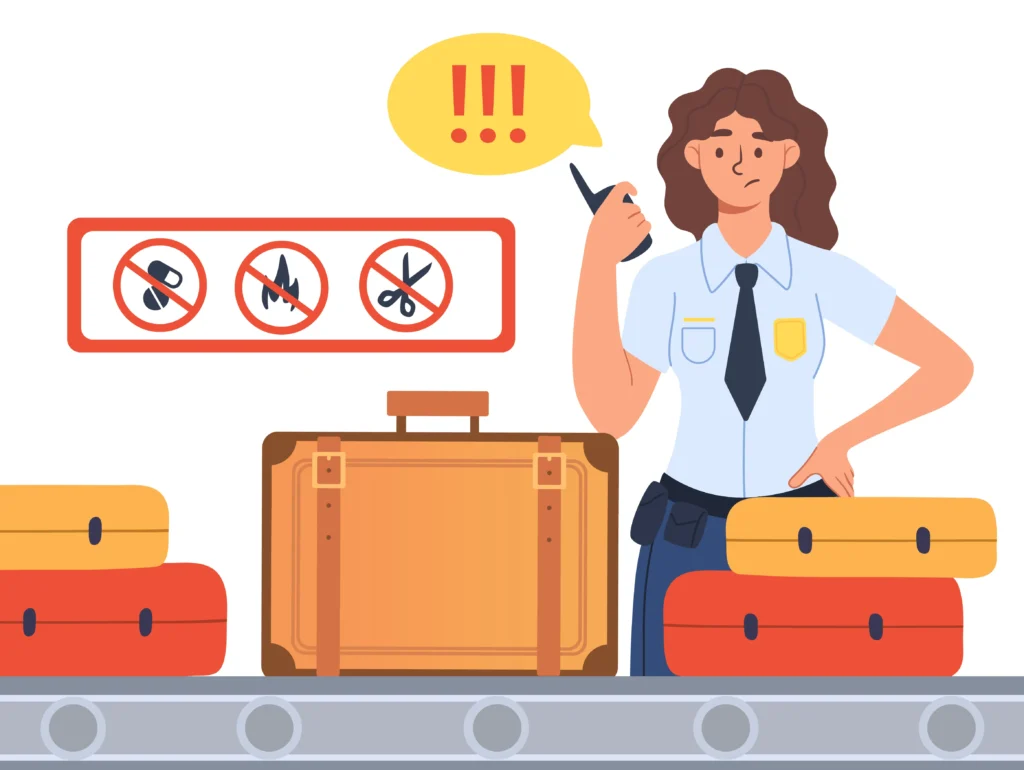
Some items often cause confusion:
- Liquids over 100 ml in carry-on luggage
- Lithium batteries in checked luggage
- Liquid or creamy foods
Airline baggage rules usually align with international regulations, but there are always local exceptions.
6. How to correctly read a baggage policy
Always look for:
- Fare type
- Exact dimensions
- Maximum weight
- Overweight fees
- Differences between outbound and return flights
Do not rely only on the summary shown by flight search engines.
7. Ideal destinations for beginners and how baggage rules matter

New York
Why it is ideal for beginners:
Clear infrastructure, frequent flights, and airlines with well-documented rules.
Type of traveler who will enjoy it most:
Urban travelers, shoppers, and first-time international travelers.
Recommended length of stay:
5 to 7 days.
Practical tip:
Avoid large suitcases. Public transportation and subway stairs are not always friendly to heavy luggage.

London
Why it is ideal for beginners:
Excellent signage and well-organized airports.
Type of traveler who will enjoy it most:
History lovers, culture seekers, and people who enjoy walking.
Recommended length of stay:
4 to 6 days.
Practical tip:
European airlines are strict about carry-on size. Measure your bag before leaving.

Tokyo
Why it is ideal for beginners:
Impeccable transportation system and very helpful staff.
Type of traveler who will enjoy it most:
Curious, tech-savvy travelers who respect rules.
Recommended length of stay:
7 to 10 days.
Practical tip:
Use luggage forwarding services between hotels to avoid carrying bags on trains.

Barcelona
Why it is ideal for beginners:
A compact city that is easy to explore.
Type of traveler who will enjoy it most:
Relaxed travelers, food lovers, and culture enthusiasts.
Recommended length of stay:
3 to 5 days.
Practical tip:
Watch out for low-cost airlines. Poorly sized luggage can double the cost of your flight.
8. Common mistakes that lead to extra fees
- Not weighing your suitcase before leaving
- Assuming all airlines allow the same baggage
- Buying baggage at the airport
- Ignoring personal item rules
9. Practical tips to avoid surprises
- Use a portable luggage scale
- Choose flexible suitcases
- Buy baggage when booking
- Save screenshots of the baggage policy
These small habits make a big difference.
10. Frequently asked questions about airline baggage rules
Are airline baggage rules the same in every country?
No. Although there are standards, each airline adapts its policies by region and flight type.
Can I bring both a carry-on bag and a personal item?
It depends on the fare. Many basic fares only allow a personal item.
What happens if my suitcase is overweight?
You usually pay a high fee at the airport. Paying in advance is almost always cheaper.
Do airlines really measure luggage?
Yes, especially low-cost airlines. Checks are frequent and strict.