 By Elois da Costa
Stress-free travel starts long before you board the plane, and understanding how far in advance to plan a trip is one of the most important decisions for any beginner. It is not just about booking flights, but about choosing the right timing to avoid high prices, setbacks, and common mistakes that can ruin the experience.
The ideal planning timeline changes depending on the destination, the type of trip, and your experience as a traveler. In this practical guide, you will discover how many months in advance you should plan, why some destinations require more preparation than others, and how to adapt your planning to your travel style without overcomplicating things.
Table of Contents
- How far in advance to plan a trip based on destination type
- Destinations ideal for planning with little advance notice
- Destinations that require more planning time
- Common mistakes when planning your first trip
- Practical tips to organize your travel calendar
- Frequently asked questions about how far in advance to plan a trip
How Far in Advance to Plan a Trip Based on Destination Type
Knowing how far in advance to plan a trip is not a one-size-fits-all formula. The ideal timing depends on specific factors such as international flights, visas, peak season, language, and local transportation.
As a general rule for beginners:
- Domestic trips: 4 to 8 weeks in advance
- Nearby international trips: 2 to 4 months in advance
- Long or intercontinental trips: 4 to 8 months in advance
This level of planning allows you to compare prices, choose better flight schedules, and secure well-located accommodations, which is especially important when you are unfamiliar with the destination.
Destinations Ideal for Planning With Little Advance Notice
New York City skyline with iconic landmarks, ideal destination for first-time travelers

New York City, United States
Why it is ideal for beginners
New York City has strong tourism infrastructure, efficient transportation, and a huge number of flights available year-round. This reduces the pressure to plan far in advance.
What type of traveler will enjoy it most
Urban travelers, culture lovers, and those interested in museums, food, and shopping.
Recommended length of stay
5 to 7 days are enough for a well-balanced first visit.
Practical tip for a first visit
Buy a weekly transit pass on your first day. Avoid renting a car, the subway is faster and more affordable.
Recommended planning timeline
6 to 8 weeks is a good window to find well-located flights and hotels.

Barcelona, Spain
Why it is ideal for beginners
Barcelona combines beach, city life, and culture in an easy-to-navigate environment. Signage and public transportation are designed with visitors in mind.
What type of traveler will enjoy it most
Cultural travelers, couples, and people looking for a first European trip without complications.
Recommended length of stay
4 to 6 days allow you to explore the city at a relaxed pace.
Practical tip for a first visit
Book tickets for the Sagrada Familia in advance. Leaving this for the last minute is one of the most common mistakes.
Recommended planning timeline
2 to 3 months, especially if traveling in spring or summer.
Destinations That Require More Planning Time

Tokyo, Japan
Why it is ideal for beginners
Although culturally different, Japan is safe, organized, and extremely efficient, making it surprisingly friendly for first-time travelers.
What type of traveler will enjoy it most
Curious travelers and those who love technology, culture, and food.
Recommended length of stay
7 to 10 days for a balanced first visit.
Practical tip for a first visit
Learn how the transportation system works before arriving. Downloading offline maps helps avoid confusion in large stations.
Recommended planning timeline
4 to 6 months. Flights and accommodations increase in price quickly during popular seasons.

Paris, France
Why it is ideal for beginners
Paris offers a massive range of attractions, but its high demand requires better planning than many other European cities.
What type of traveler will enjoy it most
Romantic travelers and those interested in art, history, and gastronomy.
Recommended length of stay
4 to 5 days for a first experience.
Practical tip for a first visit
Organize your sightseeing by neighborhood. Trying to see everything in one day is a common mistake.
Recommended planning timeline
3 to 4 months to secure centrally located accommodations at a reasonable price.
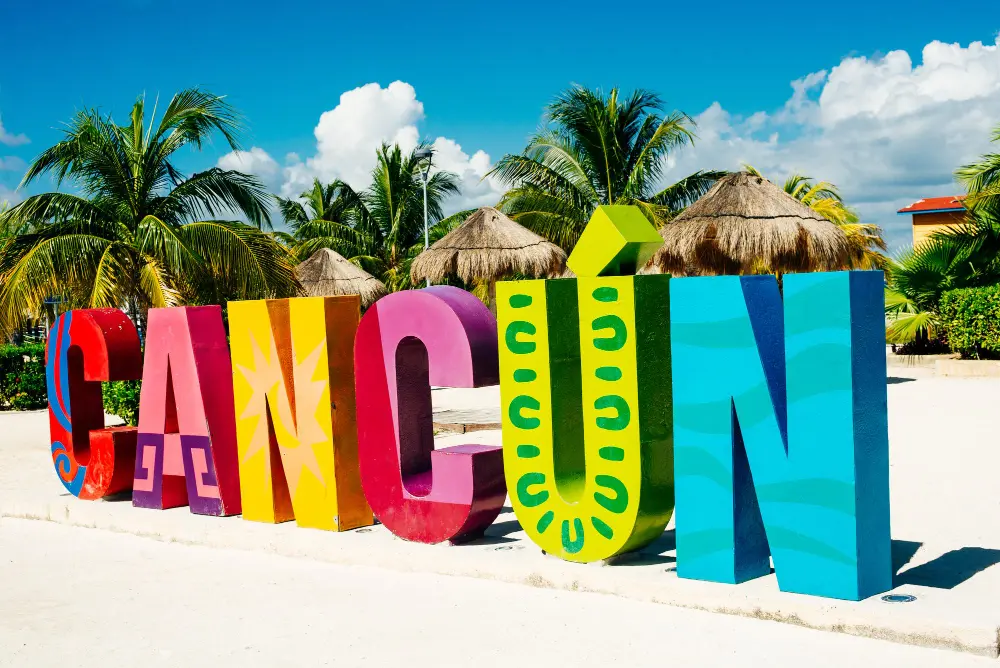
Cancun, Mexico
Why it is ideal for beginners
It is one of the easiest destinations for a first international trip. Everything is designed around tourism.
What type of traveler will enjoy it most
Relaxed travelers, families, and those looking to unwind.
Recommended length of stay
4 to 6 days are ideal for a first visit.
Practical tip for a first visit
Decide early whether you plan to leave the hotel. Transportation and tours can significantly affect your budget.
Recommended planning timeline
1 to 2 months is usually enough, except during school holiday periods.
Common Mistakes When Planning a Trip for the First Time
One of the most frequent mistakes is not understanding how far in advance to plan a trip based on the destination. Other common errors include:
- Buying flights before checking visa or entry requirements
- Booking accommodations without considering location
- Overplanning without leaving free time
Avoiding these mistakes improves the experience even before you leave home.
Practical Tips to Organize Your Travel Calendar
If you are a beginner, use this simple approach:
- Define approximate dates
- Research flights with a 2 to 3 month window
- Book accommodations first, then activities
- Leave at least one full day with no plans
This method reduces stress and helps you enjoy your trip more.
Frequently Asked Questions About How Far in Advance to Plan a Trip
How far in advance should I plan my first international trip?
Ideally, 3 to 6 months in advance. This gives you time to compare prices and meet all requirements.
Is it possible to plan a trip with little advance notice?
Yes, especially to well-connected destinations. However, costs are usually higher.
How far in advance should I plan a budget-friendly trip?
Generally, 6 to 12 weeks in advance for flights. Avoid peak travel seasons.
Does planning time change depending on the type of traveler?
Yes. Flexible travelers can plan with less time, while beginners benefit from a larger planning window.