 By Chad Parker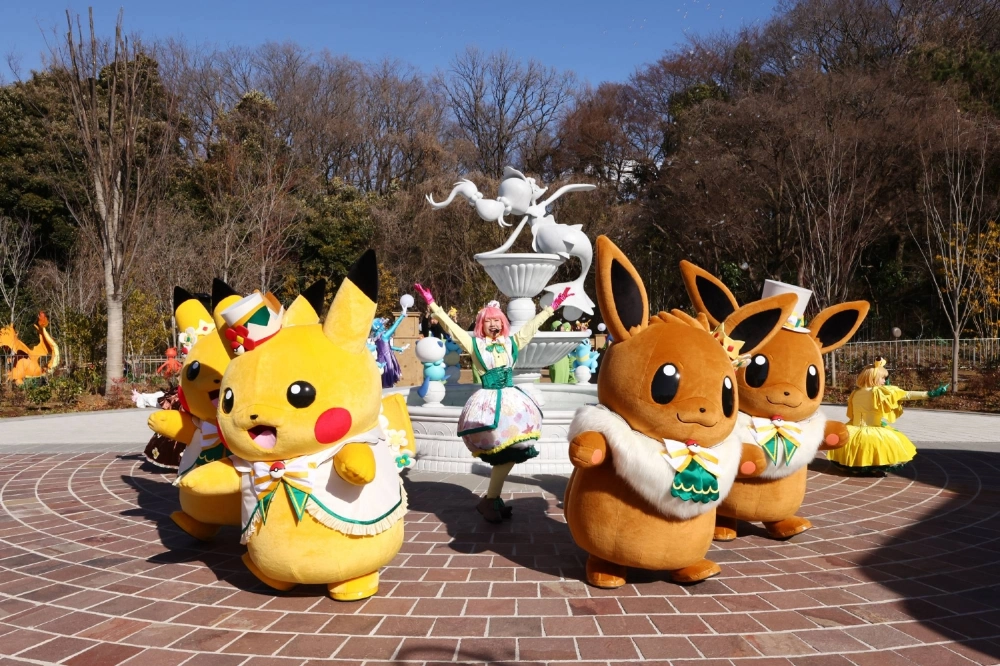
The wait is finally over for Pokémon fans around the world. PokéPark KANTO, the world’s first permanent outdoor Pokémon attraction, is opening its gates on Thursday, February 5, 2026. Nestled within the grounds of Yomiuriland amusement park in Tokyo’s scenic Tama Hills, this groundbreaking 26,000-square-meter park promises to transport visitors directly into the beloved world of Pokémon like never before.
For travelers planning a trip to Japan in 2026, this new attraction represents more than just another theme park. It’s a pilgrimage site for anyone who grew up catching Pokémon, a chance to walk through forests where Pikachu roams free, and an opportunity to experience the Kanto region that started the global phenomenon back in 1996.
A Strategic Location Between Tokyo and Kanagawa
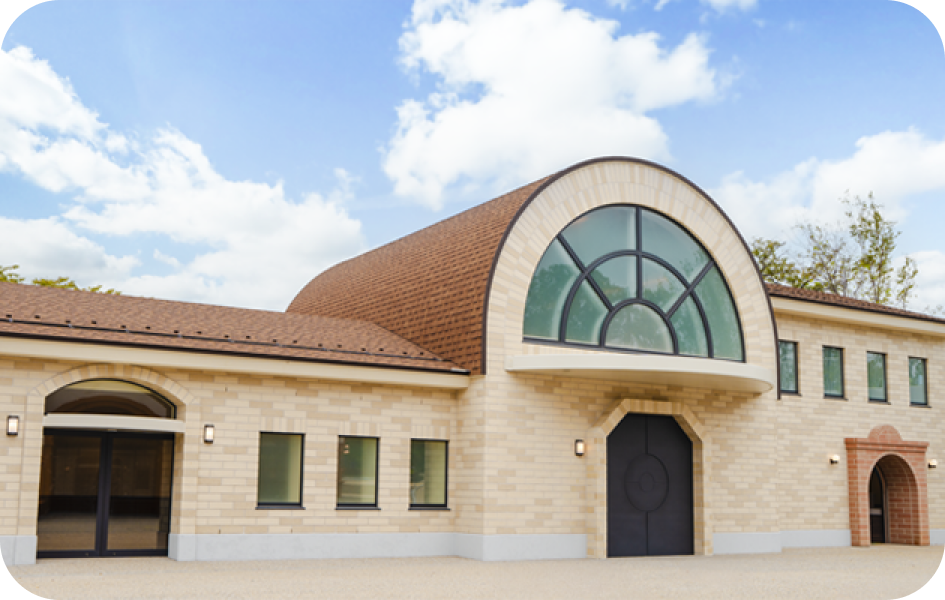
PokéPark KANTO occupies a unique position in Japan’s geography. According to the official PokéPark KANTO website, the park is situated within Yomiuriland, an established amusement park that straddles the border between Inagi City in Tokyo and Kawasaki City in Kanagawa Prefecture. This strategic location in the lush Tama Hills offers visitors a natural setting that perfectly complements the Pokémon experience.
The Tama Hills area itself spans multiple municipalities across both Tokyo and Kanagawa, creating a verdant escape from the urban density of central Tokyo. For international travelers, this location provides convenient access from major Tokyo stations while offering the natural scenery that Japanese tourism has become renowned for delivering.
Getting to the park is straightforward for visitors staying in Tokyo. From Shinjuku Station, one of the city’s major transportation hubs, travelers can reach Keio-Yomiuriland Station in approximately 25 minutes via the Keio Line. The journey involves taking a Special Express or Semi-Express train toward Keio-Hachioji, then transferring at Chofu Station to a local train heading toward Hashimoto. From Keio-Yomiuriland Station, visitors can choose between a scenic Sky Shuttle gondola ride (300 yen one way) or a local bus to reach the park entrance.

Opening Earlier Than Expected
Originally announced for a spring 2026 debut, PokéPark KANTO surprised fans when The Pokémon Company revealed the opening date had been moved forward to February 5, 2026. This earlier-than-expected launch generated immediate excitement across the Pokémon community, with ticket sales launching in November 2025 selling out rapidly for the initial months of operation.
The decision to accelerate the opening timeline demonstrates the confidence behind this ambitious project, which represents a collaboration between The Pokémon Company, Yomiuri Land, and The Yomiuri Shimbun. As reported by Japanese business media, this partnership brings together entertainment expertise, operational experience, and media reach to create what promises to be one of Tokyo’s most talked-about attractions in 2026.
Understanding the Park’s Scale and Concept
At 26,000 square meters (approximately 2.6 hectares or 6.4 acres), PokéPark KANTO is designed to feel expansive without overwhelming visitors. The park’s concept centers on bringing the Pokémon world to life through outdoor experiences that blend natural environments with imaginative design. This approach differs significantly from indoor Pokémon attractions, allowing weather, seasons, and natural landscapes to become part of the experience.
The park features over 600 Pokémon distributed across its various zones, each appearing in settings that reflect their natural habitats from the games. Visitors won’t just see static displays; according to official sources, the Pokémon exhibit gestures, expressions, and behaviors that bring them to life in ways that feel authentic to longtime fans.
This permanent outdoor concept represents a significant evolution in Pokémon tourism. While temporary pop-up experiences and indoor facilities have existed before, PokéPark KANTO marks the first time visitors can explore a permanent, outdoor Pokémon world designed for year-round operation.
Exploring Pokémon Forest: The Wild Heart of the Park
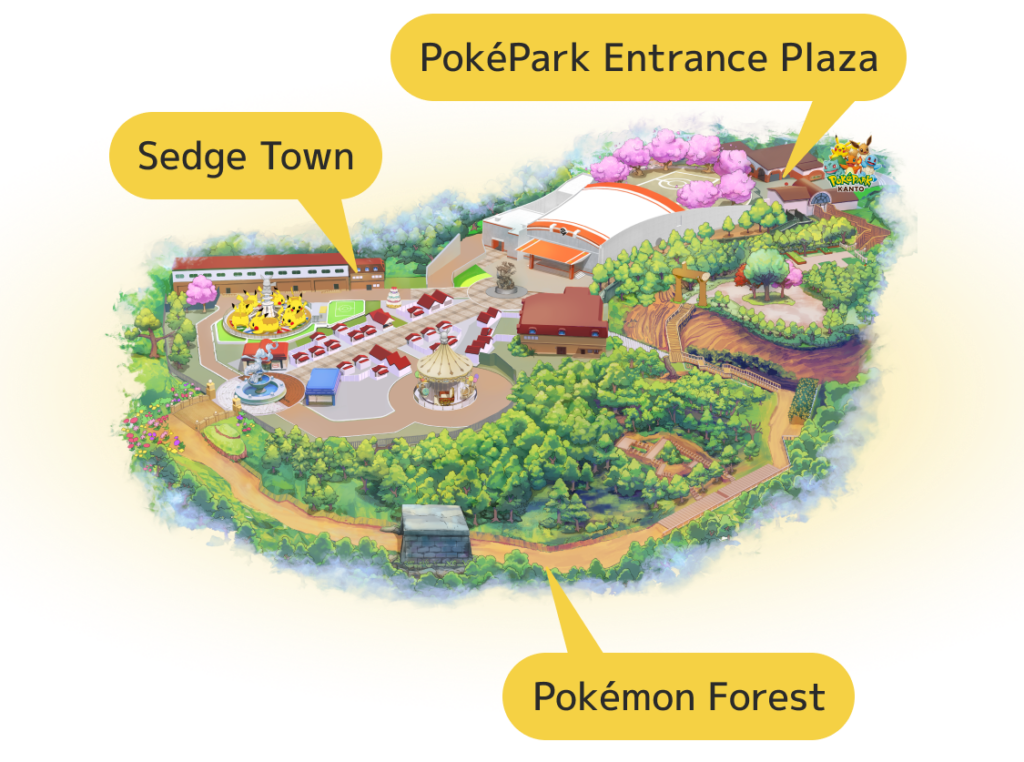
The Pokémon Forest serves as the park’s centerpiece, offering a 500-meter walking trail that winds through the natural terrain of the Tama Hills. This isn’t a paved, flat walkway; the trail incorporates the area’s rolling hills, featuring tunnels, stairs, and meadows that create an authentic sense of adventure.
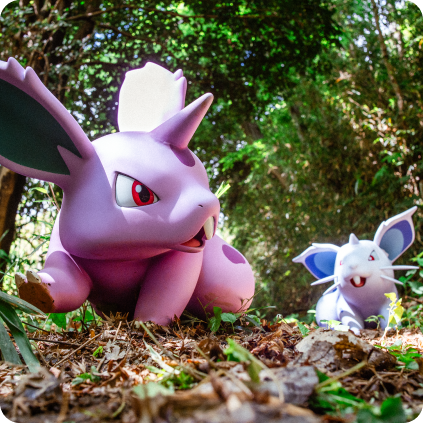
Walking through Pokémon Forest is designed to feel like traveling through the tall grass routes from the original Pokémon games. Along the trail, visitors encounter various Pokémon from the Kanto region and beyond, including fan favorites like Pikachu, displayed in naturalistic settings. The use of the site’s existing topography means each turn of the path reveals new perspectives and Pokemon discoveries.
However, potential visitors should note that the terrain’s natural challenges come with restrictions. Children under five years old and their guardians are not permitted to enter Pokémon Forest for safety reasons. The same restrictions apply to certain other guests who may have difficulty navigating the steep and varied terrain. Park officials emphasize these safety measures to ensure all visitors can enjoy the experience appropriate to their abilities.
Access to Pokémon Forest requires either a Trainer’s Pass or an Ace Trainer’s Pass, both of which must be purchased in advance. The forest experience is timed for Trainer’s Pass holders, ensuring crowd management while maintaining the immersive quality of the walk.
Discovering Sedge Town: Shopping, Rides, and Urban Pokémon
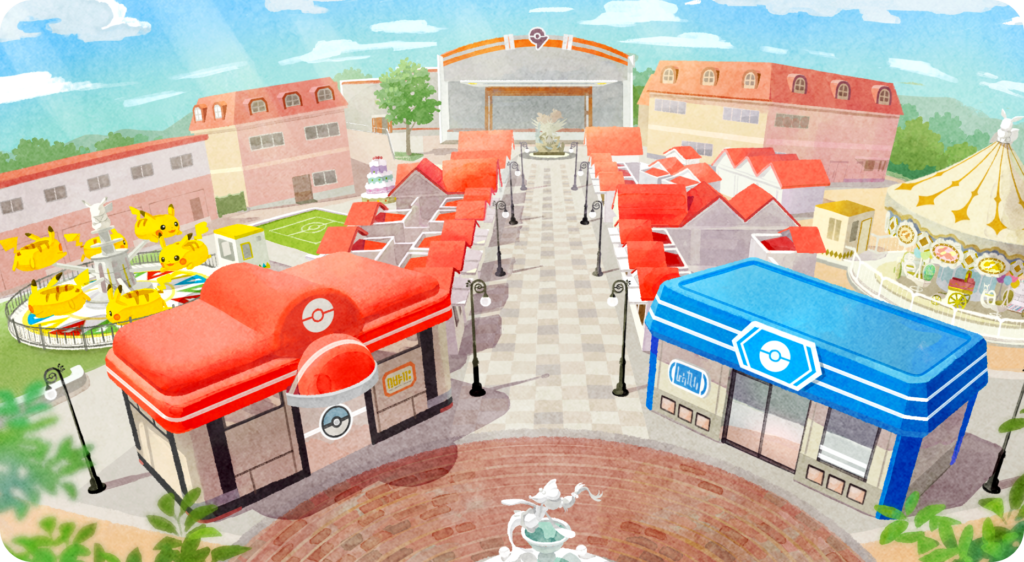
While Pokémon Forest emphasizes outdoor adventure, Sedge Town provides the park’s commercial and entertainment hub. This zone offers a different flavor of Pokémon immersion, featuring two permanent attractions, extensive merchandise options, and various interactive experiences.
The two flagship attractions in Sedge Town have been revealed as Pika Pika Paradise and Vee Vee Voyage. Pika Pika Paradise is a Pikachu-themed aerial carousel-style ride that lets visitors soar above Sedge Town. Vee Vee Voyage features Eevee and its various evolutions on a traditional merry-go-round format. Both attractions cater to families and younger visitors while maintaining the nostalgic appeal for adult fans.
Beyond the rides, Sedge Town houses several key facilities that enhance the overall experience. The Pokémon Trainers’ Market serves as the main retail area, offering exclusive PokéPark KANTO merchandise ranging from plush toys and stationery to homeware. Signature items include Pikachu and Eevee plushies in various sizes, a Snorlax-themed popcorn bucket, and coordinated merchandise sets featuring Pokémon from both forest and town zones.
The Pokémon Center and Poké Mart within Sedge Town provide additional shopping opportunities with items specific to the park experience. Food and beverage options include themed drinks inspired by the original starter Pokémon (Bulbasaur, Charmander, and Squirtle) and a Pikachu onigiri tray that has already generated significant social media attention.
Sedge Town also features the Sedge Gym, offering battle-themed activities, and the Pika Vee Bubble Parade, where Pikachu, Eevee, and friends process through the town in a lively, bubble-filled celebration. The Pokémon Playhouse showcases different Pokémon each day, including Clefairy, Vulpix, Psyduck, Growlithe, Slowpoke, Gengar, Lapras, and Dragonite. Meanwhile, the Pika Vee Playroom allows guests to meet and photograph Pikachu and Eevee in special outfits.
Unlike Pokémon Forest, Sedge Town is accessible to all ages and abilities, making it an ideal destination for families with young children or visitors who prefer less physically demanding experiences. Starting in summer 2026, a Town Pass will become available for those who want to visit only Sedge Town without entering Pokémon Forest.

Navigating the Ticketing System
The ticketing system for PokéPark KANTO has evolved since its initial announcement, reflecting unprecedented demand. Tickets first went on sale on November 21, 2025, using a lottery system for visits between February 5 and March 31, 2026. That initial lottery resulted in complete sellouts for February and March, demonstrating the immense interest in this new attraction.
As of January 22, 2026, the park began offering remaining tickets on a first-come, first-served basis. The sales schedule operates on a rolling two-month advance window. For example, tickets for dates in April become available in February at 6:00 PM Japan Standard Time. On the last day of each month, tickets for all remaining days two months ahead are released simultaneously.
There are currently two main ticket types available. The Trainer’s Pass provides timed entry to Pokémon Forest and unlimited entry to Sedge Town, with prices starting at 7,900 yen for adults. The Ace Trainer’s Pass, priced from 14,000 yen, includes access to both zones plus special perks such as meet-and-greet opportunities and priority lanes for attractions.
For international travelers, PokéPark KANTO offers a dedicated English-language ticketing website, separate from the domestic Japanese lottery system. This international platform allows overseas visitors to purchase tickets without needing a Japanese phone number or domestic membership registration, addressing a common frustration with Japanese tourist attractions.
Both ticket types include admission to the broader Yomiuriland amusement park, adding significant value to the purchase. Yomiuriland itself features over 40 attractions, including the famous Bandit roller coaster and the new Sky-Go-LAND Ferris wheel, making a visit to PokéPark KANTO an opportunity for a full day of entertainment.
Travelers should note that some shops and shows within the park require limited-access tickets, which are distributed separately. The Pokémon Daisuki Shop at the entrance plaza, for instance, requires these special tickets to manage crowds and ensure a quality shopping experience.
Why PokéPark KANTO Matters for Pokémon Tourism
The opening of PokéPark KANTO represents a watershed moment in Pokémon tourism, a sector that has grown steadily since the franchise’s debut nearly three decades ago. For the first time, fans can visit a permanent, purpose-built outdoor facility dedicated entirely to the Pokémon experience. This is fundamentally different from retail locations like Pokémon Centers or temporary exhibits that rotate through different cities.
The park’s location in the Kanto region carries particular significance. The name “Kanto” refers both to the real-world geographic region around Tokyo and to the fictional setting of the original Pokémon Red and Green games released in 1996. This double meaning resonates deeply with longtime fans who remember starting their journey with Bulbasaur, Charmander, or Squirtle in the original games.
For international visitors, PokéPark KANTO serves as a tangible destination that justifies travel to Japan specifically for Pokémon experiences. While Japan has long been a pilgrimage site for franchise fans visiting the Pokémon Company headquarters, various Pokémon Centers, and filming locations from the anime, a permanent theme park creates a must-visit landmark that didn’t previously exist.
The timing of the park’s opening also aligns with broader trends in Japanese tourism. Following years of restricted international travel, Japan has been actively working to attract visitors through unique cultural experiences. A Pokémon theme park speaks to both nostalgia tourism (targeting adults who grew up with the franchise) and family tourism (appealing to parents introducing their children to Pokémon).
Enhanced Experiences: Pokémon GO Integration
In a move that bridges digital and physical experiences, PokéPark KANTO will feature exclusive Pokémon GO content during park hours (10:00 AM to 6:00 PM JST daily). Beginning February 5, 2026, players visiting the park will encounter special spawns, including Bulbasaur, Charmander, Squirtle, Rattata, Pidgey, Pikachu, Eevee, and the rare Unown letters P and K (all with potential shiny variants).
The Pokémon GO integration adds an interactive layer to the park experience. PokéStops throughout PokéPark KANTO will distribute special Field Research tasks that can only be obtained within the park, though they can be completed outside. These tasks lead to encounters with Pokémon that also appear in the physical park.
Perhaps most notably, legendary bird Pokémon will appear in raids on a rotating schedule: Zapdos (February through May), Moltres (June through September), and Articuno (October through January). These raids can be participated in once daily and will feature a special PokéPark KANTO-themed location background, creating digital mementos of the visit.
This integration demonstrates how PokéPark KANTO is designed not just as a place to visit, but as a destination that creates lasting memories through both physical and digital souvenirs.

Practical Planning for First-Time Visitors
For travelers planning their first visit to PokéPark KANTO, several practical considerations will enhance the experience. First, the park is designed for a half-day to full-day visit, especially when combined with Yomiuriland’s other attractions. Comfortable walking shoes are essential, particularly for those planning to explore Pokémon Forest’s varied terrain.
The park operates daily from 10:00 AM to 6:00 PM, though hours may vary seasonally. Visitors should check the official schedule when planning their trip, as Yomiuriland occasionally closes for maintenance or private events. The park tends to be less crowded on weekdays, offering shorter wait times for attractions and a more relaxed exploration of Pokémon Forest.
Weather considerations matter for an outdoor park. While Sedge Town offers covered areas and indoor spaces, Pokémon Forest is primarily an open-air experience. Visitors should prepare for seasonal conditions, bringing appropriate clothing, sun protection in warmer months, and rain gear as needed. The natural setting means the park will look different across seasons, with cherry blossoms in spring and autumn foliage adding to the scenery.
Language should not be a significant barrier for international visitors. The park features English signage and offers an English-language website for ticket purchases. While Japanese language skills are helpful, they’re not essential for enjoying the main attractions and experiences.
Budget-conscious travelers should factor in not just the ticket price but also potential spending on merchandise, food, and special experiences. The exclusive PokéPark KANTO merchandise can be tempting, and the food offerings are designed to be photographable and shareable on social media.
Beyond PokéPark: Exploring the Tama Hills
PokéPark KANTO’s location in the Tama Hills offers opportunities to explore a side of Tokyo that many international visitors miss. The area provides a stark contrast to the urban density of central Tokyo, offering natural scenery, hiking trails, and a more relaxed pace.
Within Yomiuriland itself, visitors can experience the park’s famous seasonal events. The winter Jewellumination transforms the amusement park into a spectacular light display that has become one of Tokyo’s most popular seasonal attractions. In summer, Pool WAI (Water Amusement Island) offers a water park experience for an additional fee. The park’s signature Bandit roller coaster uses the natural terrain to create a thrilling three-minute ride that reaches speeds of 110 kilometers per hour.
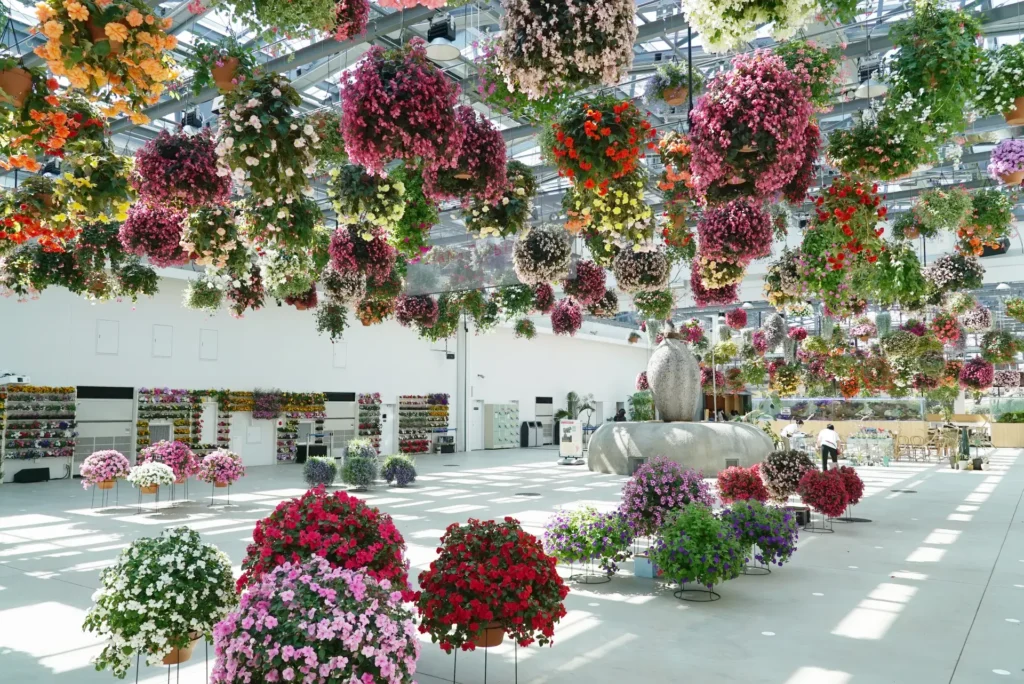
HANA BIYORI, a botanical garden adjacent to Yomiuriland, provides another dimension to a visit. This facility showcases Japanese flora in carefully designed environments and offers a peaceful counterpoint to the excitement of the amusement park and PokéPark KANTO.
The broader Tama region includes other attractions worth considering for multi-day itineraries. Mount Takao, one of the most accessible hiking destinations from central Tokyo, offers trails ranging from easy walks to challenging climbs, all with potential views of Mount Fuji on clear days. The area is also home to traditional temples, museums, and local restaurants serving regional cuisine.
Looking Ahead: The Future of Pokémon Attractions
The opening of PokéPark KANTO coincides with announcements about Pokémon experiences coming to Universal Studios Japan and eventually to Universal parks worldwide. This suggests a broader expansion of permanent Pokémon attractions beyond what has traditionally been a retail and event-driven approach to the franchise’s physical presence.
For travelers, this means more options for Pokémon-focused trips to Japan and potentially to other countries in the coming years. However, PokéPark KANTO will likely maintain its significance as the original permanent outdoor Pokémon park, much like how Tokyo Disneyland holds special status as the first Disney park outside the United States.
The park’s integration with Yomiuriland also suggests a model for how Pokémon attractions might be developed in the future, partnering with established entertainment venues rather than building standalone facilities. This approach allows visitors to combine Pokémon experiences with broader entertainment options, increasing the appeal for mixed-interest travel groups.
Making PokéPark KANTO Part of Your Japan Journey
For international travelers planning a Japan itinerary, PokéPark KANTO fits naturally into a Tokyo-area visit while offering something distinct from the typical tourist circuit. The park is accessible from central Tokyo in under an hour, making it feasible as a day trip from accommodations in Shinjuku, Shibuya, or other major neighborhoods.
Visitors might consider combining PokéPark KANTO with other western Tokyo attractions or using it as a transition point between Tokyo and destinations like Hakone or Mount Fuji. The Keio Line that serves the park also connects to other worthwhile destinations, making it possible to explore multiple locations in a single day.
The park’s appeal spans generations, making it suitable for family travelers, solo fans, and friend groups. While children will enjoy the rides and character encounters, adult fans often appreciate the attention to detail in how Pokémon are presented throughout the park, the nostalgia of seeing the original 151 Kanto Pokémon, and the quality of the exclusive merchandise.
First-time visitors to Japan will find that PokéPark KANTO offers a uniquely Japanese take on theme park design, emphasizing natural integration and seasonal awareness in ways that differ from Western park traditions. The experience provides insight into how Japan approaches entertainment properties it created, treating them with reverence while making them accessible and fun.
The Cultural Significance of Pokémon in Japan
Understanding PokéPark KANTO requires recognizing Pokémon’s place in Japanese culture. The franchise, which began as a video game in 1996, has grown into a cultural phenomenon that transcends age groups and continues to generate new content nearly three decades later. In Japan, Pokémon is not just children’s entertainment; it’s a multi-generational touchstone that appears in everything from train collaborations to city planning initiatives.
The decision to create a permanent outdoor park reflects confidence in Pokémon’s enduring appeal. Temporary pop-up events and limited-time collaborations have been common in Japanese entertainment, but permanent facilities represent a more significant commitment and investment in a property’s longevity.
For visitors from countries where Pokémon is primarily viewed as a children’s franchise, experiencing how Japan treats Pokémon as serious cultural property can be eye-opening. The quality of design, the attention to authentic representation, and the assumption that adults will visit without children all speak to a different cultural relationship with the franchise.

Final Preparations and Ticket Strategies
Given the extraordinary demand for PokéPark KANTO tickets, especially in the opening months, visitors should approach ticket purchasing strategically. The two-month advance window means planning ahead is essential. Travelers should determine their Japan travel dates first, then immediately attempt to secure PokéPark tickets for available days within their window.
The 6:00 PM JST release time for new ticket batches corresponds to early morning hours in many Western time zones. Visitors serious about securing tickets should be prepared to book at odd hours relative to their home location. The first-come, first-served system rewards quick action, and popular dates (weekends, Japanese holidays) will sell out within minutes.
For those unable to secure Trainer’s Pass or Ace Trainer’s Pass tickets, the Town Pass launching in summer 2026 provides an alternative, albeit without access to Pokémon Forest. This option suits visitors with young children under five (who cannot enter the forest anyway), those with mobility concerns, or travelers who primarily want to experience the shopping, food, and rides rather than the hiking trail.
Travelers should also consider travel insurance that covers ticket cancellations, as PokéPark KANTO tickets are date-specific and may have limited refund options. Flexible accommodation bookings can help adjust plans if preferred park dates are unavailable.
What Makes This Park Different
PokéPark KANTO distinguishes itself from other theme parks through its emphasis on discovery and natural integration. Unlike parks built around rides and shows, PokéPark KANTO prioritizes the experience of encountering Pokémon in environments that feel authentic to their designs. The 500-meter Pokémon Forest trail encourages exploration at a walker’s pace rather than rushing between attractions.
This approach aligns with broader trends in Japanese tourism emphasizing mindful experiences and connection with natural settings. Rather than maximum thrills or spectacular technology, the park offers a more contemplative engagement with the Pokémon world, allowing visitors to observe details and behaviors they might miss in a more frenetic environment.
The integration with Yomiuriland also creates a unique hybrid experience. Visitors can experience both the immersive Pokémon world and traditional amusement park thrills in a single visit, switching between modes as energy and interest dictate.
Conclusion: A New Chapter in Pokémon History
The opening of PokéPark KANTO on February 5, 2026, marks a significant evolution in how fans can engage with the Pokémon franchise. For international travelers, it represents a compelling reason to visit Japan, offering an experience unavailable anywhere else in the world. For Pokémon fans, it’s a long-awaited opportunity to literally walk through the world they’ve explored virtually for decades.
As the first permanent outdoor Pokémon attraction, PokéPark KANTO sets a precedent that will likely influence future developments in Pokémon tourism. The park’s early success, evidenced by immediate ticket sellouts, suggests strong demand for this type of immersive, permanent Pokémon experience.
Whether you’re a longtime fan who remembers choosing your starter Pokémon on a Game Boy or a newer fan drawn to the franchise through Pokémon GO, PokéPark KANTO offers a unique way to celebrate what has become one of the world’s most recognizable entertainment properties. As you plan your 2026 travels, this new park in the Tama Hills deserves serious consideration as a destination that combines nostalgia, natural beauty, and the magic of bringing a beloved virtual world into physical reality.