 By Elois da Costa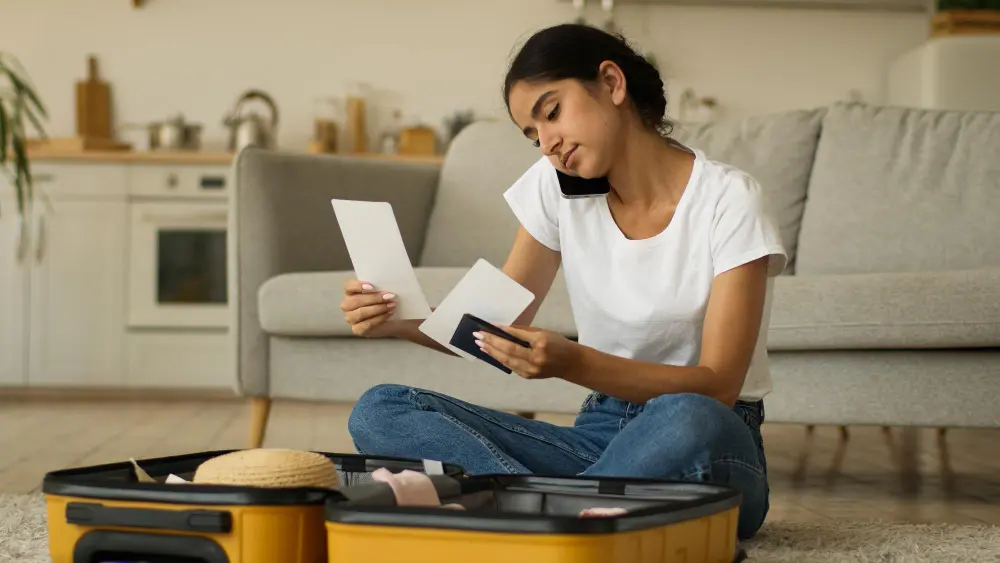
How to travel comfortably on a limited budget is a skill every modern traveler needs in 2026. Travel does not have to drain your bank account. In fact, some of the best trips are the ones where we learn how to stretch our budget without sacrificing the experience. In 2025, with flight and hotel prices higher than ever, knowing how to travel affordably has become an essential skill for any traveler.
The good news is that traveling on a limited budget no longer means sleeping in uncomfortable places or going hungry. With the right strategies, you can explore the world comfortably, enjoy authentic experiences, and return home with incredible memories and your bank account relatively intact.
This guide will show you exactly how to do it.
The Right Mindset for Budget Travel
Before diving into specific tactics, it is important to understand one key idea: budget travel is not about depriving yourself of everything. It is about smart prioritization and finding the perfect balance between saving and enjoying yourself.
Think of it as a game where the goal is to maximize experiences while minimizing unnecessary expenses. You are not giving up fun. You are simply being more strategic about where you invest your money.

Planning Ahead: Your Best Ally
The difference between a successful budget trip and one that ends up costing twice as much begins long before you pack your bags. Planning ahead is, without a doubt, the most powerful tool in your budget travel arsenal.
Book Early
Here is a secret every experienced traveler knows: the earlier you book, the better prices you will find. For domestic flights, the ideal booking window is between 21 and 60 days before your trip. For international flights, start searching at least six months in advance.
This not only gives you access to better fares, but also allows you to compare options without time pressure. Plus, if you work in an office and need to request time off, planning ahead gives you the flexibility to adjust your dates to take advantage of the best deals.
Be Flexible with Dates
Flexibility is gold when it comes to budget travel. Flying on a Tuesday or Wednesday instead of the weekend can save you hundreds of dollars. Traveling during the low or shoulder season instead of peak season is not only cheaper, but also means fewer crowds, better weather in many cases, and a more authentic experience with locals.
Use flight search tools that allow you to view prices on a monthly calendar. Sometimes shifting your trip by just one or two days can lead to significant savings.
Smart Destinations: Where Your Money Goes Further
Not all destinations are equal when it comes to budget travel. Choosing your destination wisely can be the difference between spending $50 or $150 per day on basic expenses.

Choose Low-Cost Destinations
Mexico, Thailand, Colombia, Portugal, Vietnam, and Indonesia are just a few examples of countries where your money goes much further. In these places, you can eat at local restaurants for $3 to $5, stay comfortably for $20 to $30 per night, and enjoy incredible activities without breaking the bank.
Within more expensive regions, look for secondary cities. For example, in Europe, cities like Krakow, Budapest, or Porto offer the same cultural richness as Paris or London, but at a fraction of the cost.
Avoid Tourist Traps
Here is a simple but effective rule: the more touristy a place is, the more expensive it will be. Restaurants near major attractions, hotels in historic centers, and souvenir shops in tourist zones almost always charge inflated prices.
Instead, walk five or ten blocks in any direction away from the main attractions. There you will find real local prices, more authentic food, and genuinely better experiences.
Comfortable Accommodation Without Overspending
Accommodation is usually the second largest expense of any trip after transportation. But there are many ways to find comfortable places without paying luxury hotel prices.
Hostels Have Evolved
Forget the outdated image of dirty and noisy hostels. Modern hostels in 2025 are completely different. Many offer private rooms with en-suite bathrooms for a fraction of the cost of a hotel. Even shared rooms now feature capsule-style bunks with privacy curtains, personal outlets, and reading lights.
The best hostels include free breakfast, shared kitchens, cozy common areas, and organized activities. They are also the perfect place to meet other travelers and get invaluable local tips.

Airbnb and Vacation Rentals
For longer trips or if you are traveling in a group, vacation rentals can be incredibly affordable. A full apartment or house split among several people often costs less per person than a basic hotel room.
The added benefit is having a full kitchen, which leads to the next important point.
Look for Places with a Kitchen
Whether it is a hostel with a shared kitchen, an Airbnb, or a hotel with a kitchenette, having access to a kitchen allows you to save significantly on food. You do not need to cook every meal, but preparing breakfasts and some dinners can cut your food expenses in half.
Compare Multiple Platforms
Do not limit yourself to just one booking site. Compare prices on Booking.com, Hostelworld, Airbnb, and destination-specific sites. Sometimes the same accommodation has different prices across platforms. Also check if the hotel offers a better rate on its official website.

Delicious Food Without Breaking the Bank
Food is one of the great joys of travel, but it can also be one of the biggest expenses if you are not careful. The good news is that with a few smart strategies, you can eat extremely well without emptying your wallet.
Eat Where the Locals Eat
This is perhaps the golden rule of budget travel: if you see a restaurant full of locals, it is probably good, authentic, and reasonably priced. If it is full of tourists only, you are likely overpaying.
Use apps like Google Maps to find highly rated restaurants away from main tourist areas. Look for places near universities or office districts where locals eat lunch every day.
Street Food: Authentic and Affordable
In many countries, especially in Asia and Latin America, street food is not only safe but also the most delicious and authentic way to eat. Tacos al pastor in Mexico, pad thai in Thailand, arepas in Colombia. These street food favorites cost a fraction of what you would pay in a restaurant and often taste even better.
Local Markets and Supermarkets
Food markets are pure gold for budget travelers. Not only can you buy fruits, cheeses, bread, and other ingredients for meals or picnics, but many markets also have prepared food stalls at local prices.
Supermarkets are your friends too. Buy snacks, water (use a reusable bottle with a filter), and basic foods for breakfast or quick meals.
The Big Breakfast Strategy
If your accommodation includes breakfast, take full advantage of it. Eat well in the morning so you can get through midday with a light snack or something inexpensive, saving your appetite and budget for a good dinner.
Set a Daily Food Budget
On average, travelers spend around $58 per day on food, but this can vary dramatically depending on the destination. Set a realistic budget that allows for one or two special meals while keeping the rest affordable.
The key is balance. Do not eat at expensive restaurants every day, but do not deprive yourself completely either. Plan ahead which meals will be your special ones and which will be more budget-friendly.
Transportation: Getting Around Without Overspending
Transportation can consume a large portion of your budget if you are not careful, but there are many ways to move around affordably without sacrificing comfort.
Public Transportation Is Your Best Friend
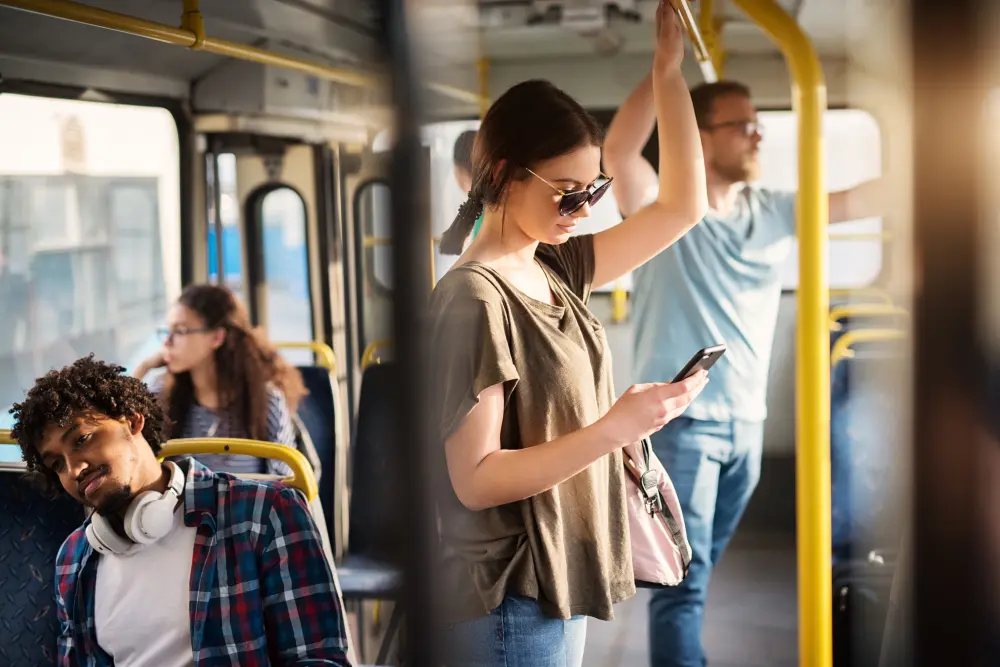
In most developed cities outside the United States, public transportation is excellent, reliable, and affordable. Subways, buses, and trams can take you almost anywhere for a fraction of the cost of taxis or Uber.
Research whether your destination offers tourist transportation passes. Many cities have 24, 48, or 72-hour cards that include unlimited transportation and sometimes entry to attractions.
Travel Slow
One of the most effective ways to reduce costs is simply staying longer in each place. Constant transportation between cities adds up quickly. Plus, the longer you stay in one place, the better you will understand where the best deals and experiences are.
Many accommodations offer discounts for longer stays. Staying a week instead of two or three nights can significantly reduce your lodging costs.
Carry-On Only
Low-cost airlines charge hefty fees for checked baggage, sometimes as much as the flight itself. Learn how to travel with carry-on luggage only. You will save money and time waiting at the airport.
The key is choosing versatile clothing in neutral colors that you can mix and match easily. Plan to do laundry along the way instead of packing an outfit for every day.
Compare Packages
Sometimes packages that combine flights, hotels, and rental cars can offer significant savings. Websites like Expedia or Booking allow you to search for complete packages. Always compare the package price versus booking each element separately.

Activities and Entertainment
Experiences are the heart of any trip, but you do not need to spend a fortune to create incredible memories.
Free Walking Tours
Many cities offer free walking tours that operate on tips. They are excellent ways to get to know a place and its history. These tours are usually led by passionate, knowledgeable guides who work for tips, which creates a genuine incentive to provide great service.
Nature-Based Activities
Hiking, swimming, surfing, snorkeling at public beaches, exploring parks. Many of the best travel activities are free or very cheap. Nature does not charge an entrance fee.
Free Museum Days
Many museums and attractions have specific days or hours with free or reduced admission. Research these schedules before your trip and plan accordingly.
Connect with Locals
The best experiences often cost nothing. Chatting with locals at cafes, exploring neighborhoods outside the tourist circuit, attending free local festivals or events. These authentic experiences are the ones you will remember years later.

Essential Tools and Apps
In 2026, your smartphone is your best budget travel companion. Here are the essential apps:
- Flights: Google Flights, Skyscanner, and Hopper to compare prices and set alerts.
- Accommodation: Hostelworld, Booking.com, Airbnb, and Hostelz for comparisons.
- Food: Google Maps, Yelp, and TripAdvisor to find highly rated local restaurants.
- Transportation: Local public transit apps in each city you visit.
- Budgeting: Expense tracking apps to keep your finances under control in real time.
Managing Your Money on the Road
Use Cards with No Foreign Transaction Fees
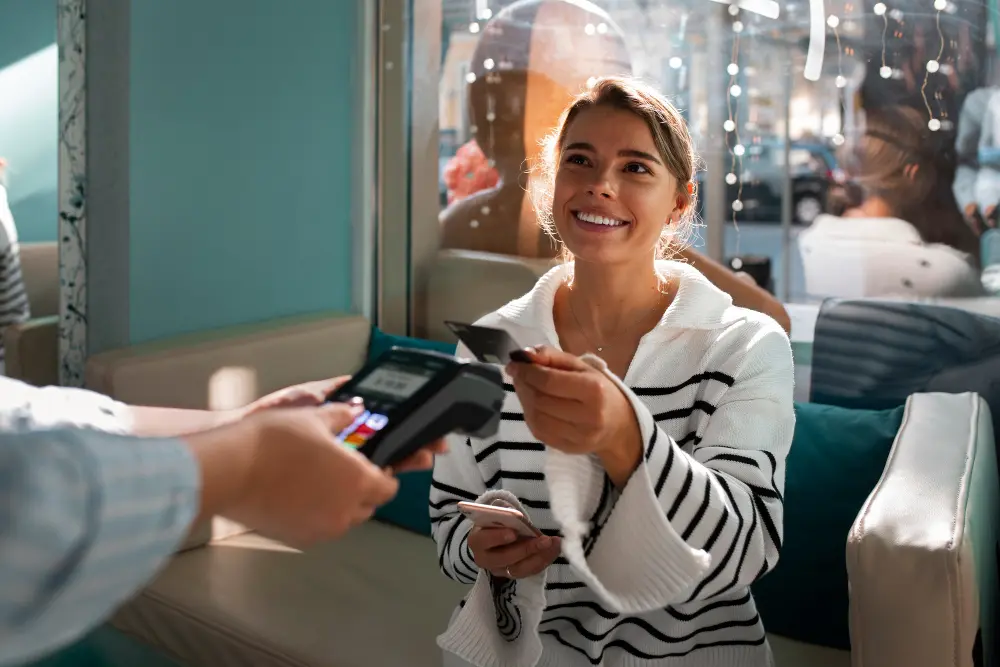
Many credit cards charge a 3 percent fee on international transactions. Look for cards with no foreign transaction fees and travel rewards.
Withdraw Cash Smartly
Withdraw larger amounts less frequently instead of small amounts constantly to minimize ATM fees. Many banks charge a fixed fee per withdrawal, so make it count.
Notify Your Bank
Let your bank know your travel dates and destinations to avoid your card being blocked for suspicious activity.

Extra Tips to Maximize Your Budget
Bring Healthy Snacks
Having snacks on hand prevents expensive impulse purchases when you are hungry. Nuts, granola bars, and fruit are perfect for travel days.
Reusable Water Bottle
Buying bottled water every day is a waste of money and terrible for the environment. A reusable bottle with a filter saves money and reduces plastic waste.
Avoid Expensive Alcohol
Alcoholic drinks in restaurants and bars can easily double your bill. If you want to drink, buy from supermarkets, take advantage of happy hours, or limit yourself to one drink per meal.
Take Advantage of Discounts
Many attractions offer discounts for students, teachers, military personnel, or seniors. Always ask if discounts are available, even if you are not sure you qualify.
Plan at Least One Splurge
Yes, you are traveling on a budget, but that does not mean you cannot treat yourself. Plan one or two special experiences per trip: that famous restaurant, that helicopter tour, that spa massage. Just make sure they are planned and budgeted, not impulsive.

Saving Before the Trip
Budget travel does not start when you arrive at your destination. It starts at home when you begin saving.
Create a Dedicated Travel Fund
Open a separate savings account specifically for travel. Set up automatic transfers from your main account. Even $50 or $100 per month adds up quickly.
Redirect Small Expenses
That daily $5 coffee, that streaming service you barely use, that gym membership you do not take advantage of. Redirect those small expenses to your travel fund. You will be surprised how much it adds up.
Round-Up Programs
Some banks offer programs that round up your purchases to the nearest dollar and deposit the difference into savings. It is a painless way to build your travel fund.
The Perfect Balance
At the end of the day, traveling comfortably on a limited budget is about finding your personal balance between saving and enjoying. It is not about being cheap with everything, but about being smart with where you spend your money.
Ask yourself: what do I value most on this trip? If it is food, invest there and save on basic accommodation. If it is activities and experiences, stay in hostels and eat affordably. If it is accommodation comfort, cook your own meals and look for free activities.
There is no one-size-fits-all formula. Successful budget travel is personal and adapts to your priorities and travel style.
Conclusion: The World Is Waiting
Learning how to travel comfortably on a limited budget gives you freedom and flexibility. Traveling on a limited budget is not a compromise. It is a skill. With the right planning, the right mindset, and the strategies shared here, you can explore incredible destinations, have memorable experiences, and return home without the stress of credit card debt.
The best travel memories rarely come from the most expensive hotels or the fanciest restaurants. They come from the connections you make, the authentic experiences you live, and the stories you create along the way.
So stop postponing that dream trip. With these strategies in your arsenal, the world is more accessible than you think. Start planning, start saving, and start living the adventures you have always wanted.
Your next adventure is waiting, and it does not have to cost a fortune. Safe travels!
Do you have your own budget travel tips? Is there a strategy that has worked especially well for you? Share your experiences in the comments and help build a community of smart travelers who know how to explore the world without going broke.