 By Elois da Costa
Travel safety tips are essential for anyone who wants to explore the world with confidence. Traveling is one of the most enriching experiences in life. Whether you are exploring the cobblestone streets of Europe, venturing into a tropical jungle, or taking a road trip, every journey brings new discoveries and unforgettable memories.
Travel safety is not about living in fear or limiting your experiences. It is about being prepared and aware so you can fully enjoy every moment. According to recent data, the travel insurance market grew by 14% in 2024, reflecting travelers’ growing concern for their safety. In this article, we share the most important safety tips every traveler should know before departing.
Research Your Destination Before Traveling: Essential Travel Safety Tips
The first step toward a safe trip begins long before you pack your suitcase. Advance research is essential to understand the specific risks of your destination and prepare accordingly.
Check official travel advisories from the Department of State to learn about security warning levels for different countries. These alerts are updated constantly and provide crucial information about political situations, crime, natural disasters, or health concerns at your destination.
Also research local customs, laws, and regulations. What is normal in your home country may be illegal elsewhere. For example, certain over-the-counter medications sold in Mexico may be prohibited in other countries, or certain styles of dress may be considered offensive in more conservative cultures.
Join Facebook groups or travel forums specific to your destination. These communities are gold mines of up-to-date information about common scams, areas to avoid, and practical tips from people who have been there recently.
Protect Your Documents and Money
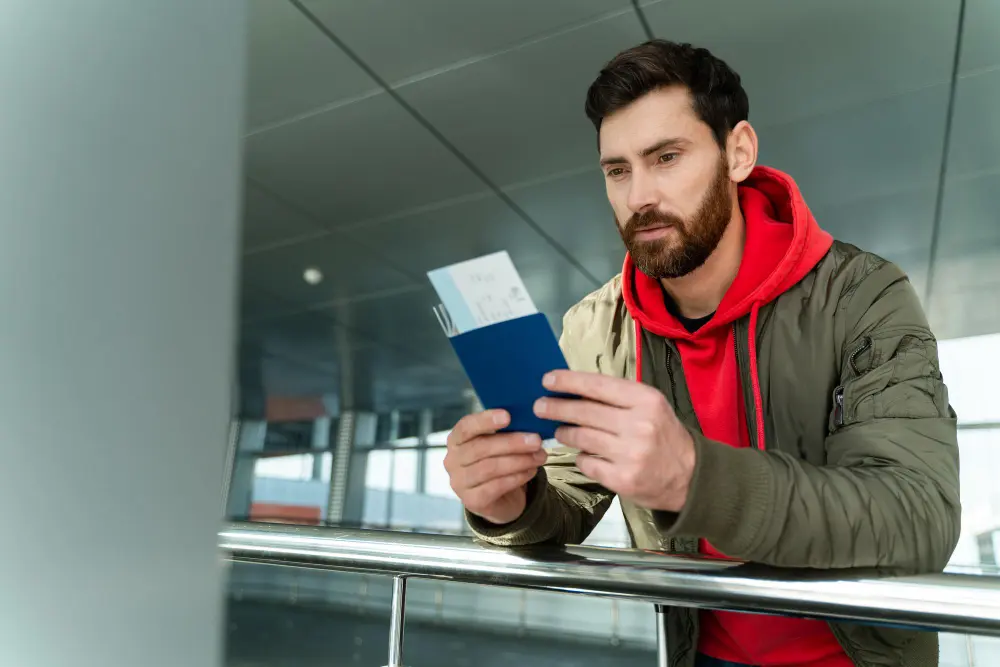
Your travel documents are literally your lifeline when you are abroad. Losing your passport can turn a dream vacation into a bureaucratic nightmare.
Make digital copies of all important documents: passport, credit cards, plane tickets, hotel reservations, and insurance policies. Store them in the cloud (Google Drive, Dropbox) and email them to yourself. Also carry physical copies stored separately from the originals.
When it comes to money, the golden rule is never to put all your eggs in one basket. Spread your cash and cards across different places: some in an anti-theft bag, others in a hidden money belt under your clothes, and perhaps some in the hotel safe. Consider carrying a “decoy wallet” with a small amount of cash and expired cards to hand over in case of theft.
Anti-theft bags with cut-resistant straps, lockable zippers, and RFID protection are an excellent investment. Money belts are no longer the bulky accessories of the 1990s. Today there are modern, discreet designs that can be worn comfortably under clothing.
Beware of Scams and Pickpockets
Learning how scams work is one of the most valuable travel safety tips for international travelers.
Bangkok was ranked as the number one city for scams and pickpocketing in 2025, but tourist scams are a global issue. Scammers and pickpockets are professionals who have perfected their techniques over years, and tourists are easy targets because we are distracted, carry valuables, and stand out.
The most common scams include:
Meterless taxis: The driver claims the meter is “broken” and then charges an outrageous fare at the end of the ride. Solution: confirm the fare before getting in, or better yet, use apps like Uber or Didi where the price is set in advance.
Fake tour guides: People approach offering “special” tours at inflated prices or take you to shops where they earn a commission. Always book tours through your hotel reception.
Spill distraction: Someone “accidentally” spills something on you, and while helping you clean up, an accomplice steals your belongings. Always keep a hand on your possessions.
Fake petitions: Someone asks you to sign a charitable petition and then demands a donation. Simply say “no, thank you” firmly and keep walking.
Friendship bracelets: Someone tries to put a bracelet on your wrist as a “gift,” tightens it so you cannot remove it, and then demands payment. Never allow strangers to touch your hands or wrists.
Pickpockets operate especially in crowded tourist areas, public transportation, and large events. According to data, smartphones are a prime target because of their resale value and the personal information they contain.
To protect yourself, store your phone in internal zippered pockets, never in back pockets. Avoid standing on street corners staring at your phone, as thieves on motorcycles can easily snatch it. Use crossbody bags worn in front of your body, especially on subways or buses.
Travel Insurance Is Not Optional
Many travelers see travel insurance as an unnecessary expense, but nearly 1 in 5 American travelers has lost money by traveling without coverage, and most say the experience made them more likely to purchase insurance in the future.
Travel insurance is not just for getting sick abroad. It covers a wide range of situations that can ruin both your trip and your finances:
Trip cancellation: If you must cancel due to illness, a family emergency, natural disasters, or even job loss, you can recover non-refundable prepaid expenses.
Trip interruption: If something happens during your trip that forces you to return home early, insurance covers the additional costs.
Medical emergencies: Medical costs abroad can be astronomical. A simple broken bone can cost tens of thousands of dollars without coverage. According to Generali, 36% of travel insurance policies are purchased for medical coverage.
Medical evacuation: If you need transport to an appropriate hospital or back home for treatment, costs can exceed $100,000 USD. Most plans offer at least $250,000 in evacuation coverage.
Lost or delayed baggage: If your luggage is lost, insurance reimburses both the bag and essential items you need to purchase in the meantime.
For 2025, with rising travel costs and frequent weather disruptions, the average trip cost has increased by 7% to $7,900 USD, making protection more important than ever.
Not all insurance policies are the same. Read carefully what is covered and what is not. Some activities like extreme sports, scuba diving, or motorcycling may require additional coverage. Remember that pre-existing conditions are generally not covered unless you purchase a specific plan.
Maintain Situational Awareness
Most safety incidents can be prevented simply by staying alert and aware of your surroundings. This is where situational awareness comes in, a skill that can make the difference between a safe trip and a problematic one.
When you arrive at a new place, ask your hotel or Airbnb host about areas to avoid. Are there dangerous neighborhoods? Areas that are safe during the day but not at night? Locals are your best source of up-to-date information.
On public transportation, keep your belongings close and in front of you. Trains and buses that serve tourist attractions are favorite hunting grounds for pickpockets. In very crowded cars, thieves may press against you and your bag.
Trust your instincts. If something feels off, it probably is. If someone is standing too close, if a situation feels suspicious, or if a place gives you a bad feeling, leave. Do not worry about being rude. Your safety matters more than politeness.
Avoid walking alone at night, especially in poorly lit or unfamiliar areas. If you must go out, stick to main streets that are well lit and busy. Share your live location with friends or family using apps like Life360 or WhatsApp.
Stay Connected
In the digital age, staying connected is not just convenient, it is a key safety measure. Buy a local SIM card or an eSIM to have mobile data on your phone. This allows you to use maps, search for emergency information, and communicate without relying on insecure public WiFi.
Never use public WiFi for sensitive transactions like online banking or shopping. If you must use public WiFi, consider installing a VPN (Virtual Private Network) to protect your data.
Enroll in the Smart Traveler Enrollment Program (STEP) from the Department of State. It is a free service that connects you with the nearest U.S. embassy and provides real-time security updates, travel alerts, and assistance in emergencies.
Share your itinerary with someone you trust back home. Tell them where you will be staying, your daily plans, and when you expect to return. Set regular check-in times so they know if something is wrong.

Take Care of Your Health
Medical emergencies are the most common reason for travel insurance claims. Before traveling, consult your doctor about required vaccinations and bring enough prescription medication for the entire trip, plus a few extra days.
Pack a basic first-aid kit with bandages, pain relievers, anti-diarrheal medication, antihistamines, and any personal medications. Keep prescription drugs in their original containers with the prescription.
Be careful with what you eat and drink. “Montezuma’s revenge” is real. In countries where tap water is not safe, drink only sealed bottled water, avoid ice in drinks, and be cautious with raw fruits and vegetables that may have been washed with contaminated water.
If you get sick or injured abroad, seek medical attention immediately. Your travel insurance should have a 24/7 assistance line that can direct you to appropriate medical facilities.
Be Smart on Social Media
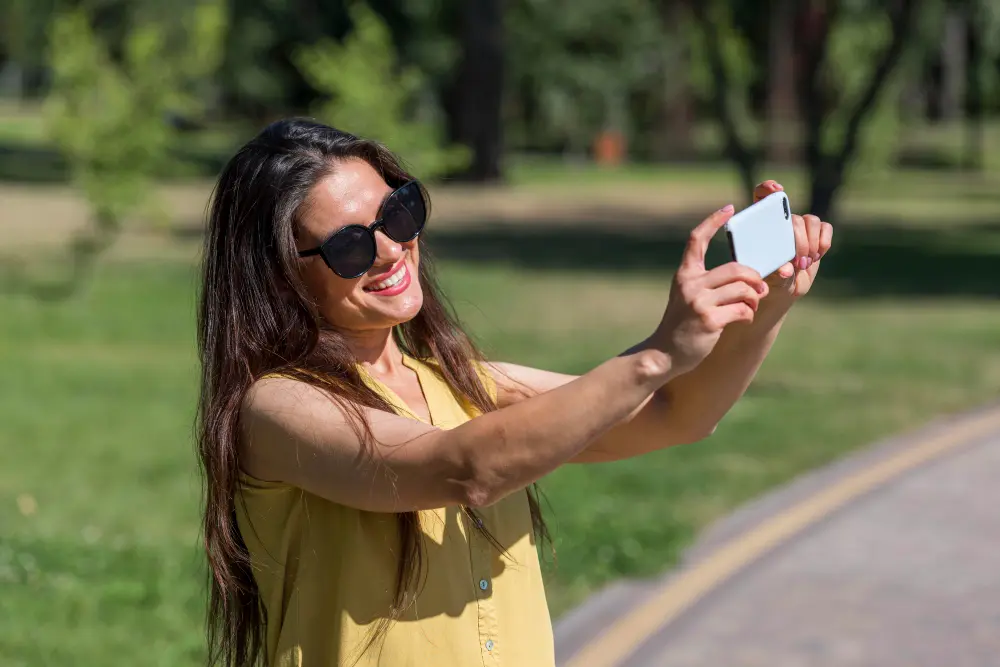
We all want to share amazing travel photos on Instagram or Facebook, but posting in real time is an open invitation to criminals. If you post that you are relaxing on a beach in Cancun, you are essentially announcing that your hotel room or home is empty.
Wait a few hours before posting, or better yet, wait until you return home. This is especially important for solo travelers. Do not share your exact location, the hotel where you are staying, or detailed plans on public social media.
Review your privacy settings and make sure only close friends can see your travel posts.
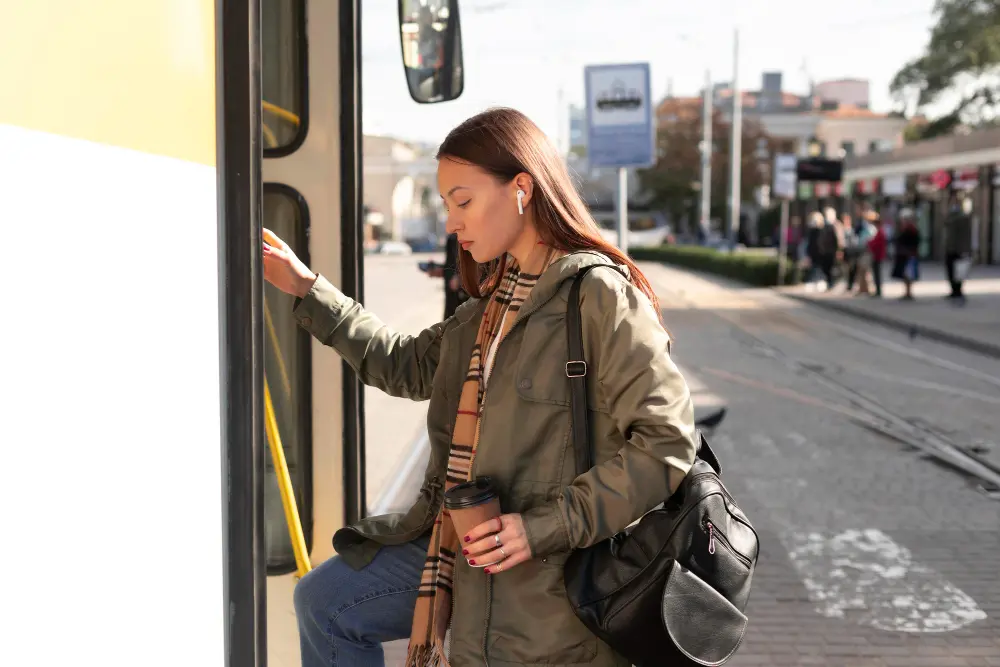
Safe Transportation
Traffic accidents are the leading cause of death among healthy travelers, according to the CDC travel health guidelines. Always wear a seatbelt, even in taxis or rideshares where laws may be less strictly enforced.
If you rent a car, inspect it carefully before leaving the lot and take photos of any existing damage. Familiarize yourself with local traffic laws. In some countries people drive on the left, road signs may differ, and traffic rules vary.
Be especially careful when crossing streets, particularly in countries where traffic flows in the opposite direction from what you are used to. Look both ways, even on one-way streets.
For transportation services, use only verified apps like Uber, Didi, or Cabify. Never accept “taxi” offers from unofficial drivers at airports or train stations, no matter how friendly they seem.
Following basic travel safety tips can significantly reduce risks when using transportation or choosing accommodation.
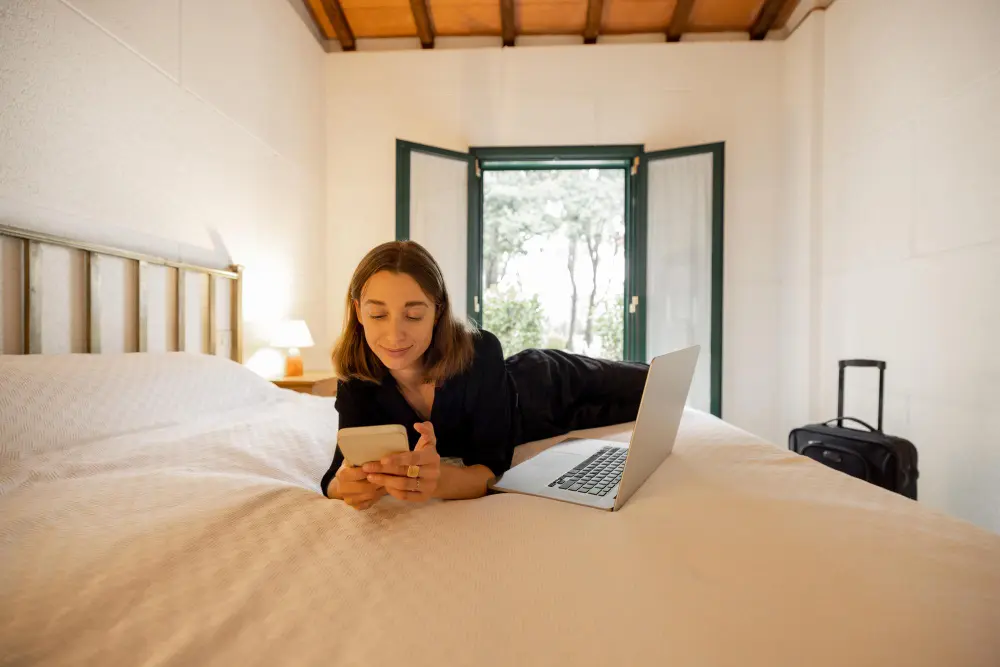
Safe Accommodation
When booking accommodation, read recent reviews carefully, not just the overall rating. Look for comments about safety, neighborhood location, and issues other travelers experienced.
Upon arrival at your hotel or Airbnb, locate emergency exits and evacuation routes. Check that door and window locks work properly. Use the door chain or secondary lock when inside.
Use the room safe for valuables you do not need to carry with you. If there is no safe, consider bringing a small padlock to secure your luggage. It is not foolproof, but it adds a layer of protection.
Never open the door to someone you are not expecting, even if they claim to be hotel staff. Call the front desk to verify first.
Prepare for the Worst, Expect the Best
Despite all preparation, things can sometimes go wrong. If you are the victim of a crime, your safety is the most important thing. No material item is worth risking your life. If someone demands your wallet or phone, hand it over without resistance.
If you are robbed, report the incident to the police immediately and obtain a copy of the police report. This document is required for insurance claims and for replacing stolen documents like passports or credit cards.
If you lose your passport, contact your country’s embassy or consulate as soon as possible. Having digital copies of your passport will greatly speed up the replacement process.
Keep emergency phone numbers for the country you are visiting handy. 911 does not work everywhere. In Europe it is 112, in Mexico it is 911, and it varies in other countries.
Trust Your Instincts
Perhaps the most important tip of all is to trust your intuition. If something does not feel right, it probably is not. Humans have evolved to detect danger, and those uneasy feelings exist for a reason.
If someone makes you uncomfortable, walk away. If a situation seems suspicious, avoid it. If a place gives you a bad vibe, leave. Do not worry about offending anyone or seeming paranoid. Your safety comes first.
Conclusion
Traveling safely does not mean traveling in fear. It means being prepared, aware, and making smart decisions. The vast majority of trips happen without incident, and most people you meet while traveling are honest and kind.
With proper preparation, solid travel insurance, situational awareness, and common sense, you can minimize risks and maximize enjoyment. These travel safety tips are not meant to scare you, but to empower you to explore the world with confidence.
So do your research, pack smart, stay alert, and most importantly, enjoy every moment of your adventure. The world is full of incredible places waiting to be discovered, and with the right precautions, you can experience them safely and memorably.
Safe travels, and may your only worries be deciding what to try first at the local market or which beach to visit tomorrow.
By applying these travel safety tips, you can travel smarter, safer, and with greater peace of mind.