 By Elois da Costa
Planning your first trip can feel overwhelming. Essential Travel Tips for Beginners: Between booking plane tickets, choosing accommodation, and deciding what to pack in your suitcase, it’s easy to feel lost. But here’s the good news: with the right tips and a little preparation, anyone can become an experienced traveler. This complete guide will help you navigate your first adventure with confidence, from initial planning to your return home.
1. Plan Ahead (But Leave Room for Spontaneity)
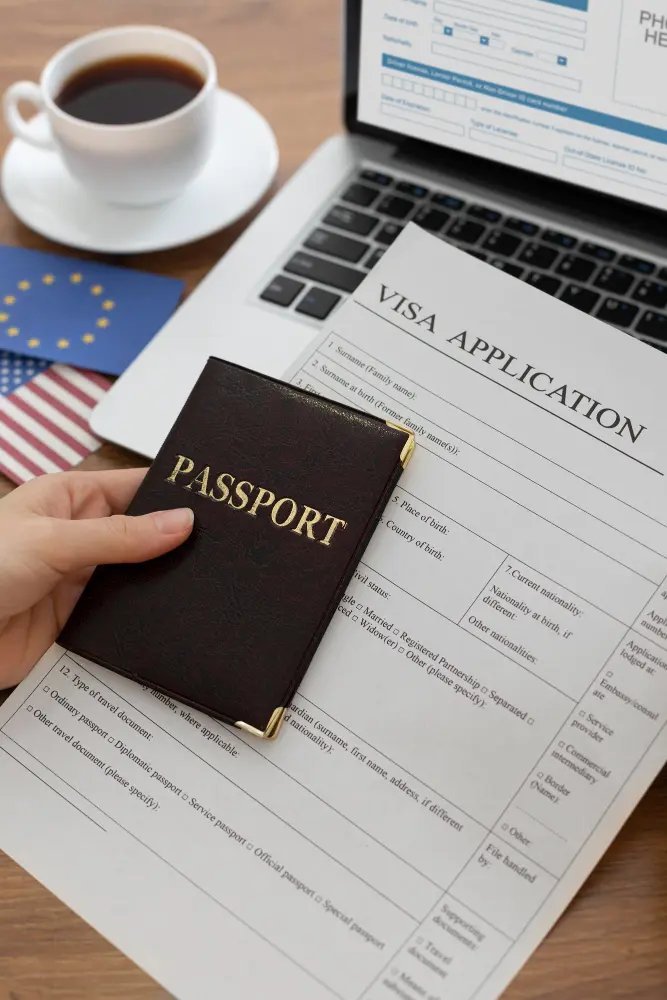
Planning is your best ally, especially when you’re a beginner. However, you don’t need to schedule every minute of your trip. Instead, focus on the essentials: research visa requirements in advance to avoid surprises at the airport, check if your destination requires vaccines or specific health documents, and download offline maps in apps like Google Maps in case you lose connectivity.
A common mistake among first-time travelers is overloading the itinerary. Leave open spaces for unexpected discoveries: that coffee shop recommended by a local, that market you found by accident, or simply a day to rest. The best travel memories often come from unplanned moments.
Also consider local events and holidays that could affect transportation or accommodation availability. Planning at least two or three months in advance will allow you to get better prices and more options, especially if you need to request time off from work.
2. Get Your Documents: Your Passport to Peace of Mind
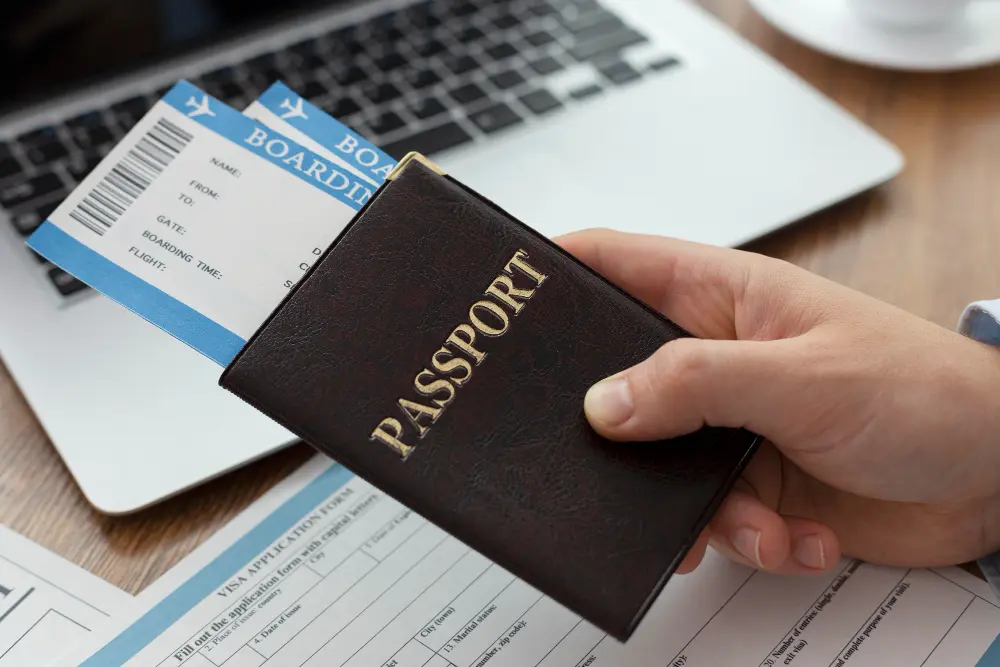
Make sure you have all your travel documents in order well before your departure date. For international travel, verify that your passport has at least six months of validity after your scheduled return date; many countries have this requirement and you could be rejected at the airport if you don’t meet it.
Make physical and digital copies of your passport, driver’s license, credit cards, and any other important documents. Send scanned copies to your email and share them with a trusted family member or friend. If you lose your wallet or your passport is stolen, having these copies will greatly facilitate the process of obtaining replacements at the nearest embassy.
Don’t forget to inform your bank and credit card companies about your travel plans. If you start making charges in a foreign country without prior notice, your account could be blocked for suspicious activity, and trust me, you don’t want to be left without access to your money while traveling.

3. The Art of Packing: Less is More
“Pack light” is a cliché because it’s absolutely true. The temptation to bring things “just in case” can result in heavy suitcases that will make you suffer as you drag them through cobblestone streets or lift them onto crowded trains.
A practical rule: make a list of everything you think you’ll need and then cut it in half. If you’re traveling for 10 days or less, try to travel with only carry-on luggage. Limit your shoes to three pairs maximum: comfortable ones for walking, a backup pair, and perhaps slightly more formal ones if your trip requires it.
Packing cubes are an investment that’s completely worth it. They help you keep your suitcase organized and, if you opt for compression ones, you can maximize available space. Roll your clothes instead of folding them: it takes up less space and wrinkles less.
For toiletries, invest in good quality refillable containers and fill only what’s necessary. Remember that you can buy most things at your destination. Place all liquids in a sealed plastic bag to prevent disastrous spills.
A professional tip: pack a change of clothes, basic toiletries, and any essential medication in your carry-on luggage. If your checked bag is delayed or lost (it happens more often than you’d think), at least you’ll have the basics to survive the first few days.

4. Budget Wisely: Travel More, Spend Less
Money is often the biggest concern for beginner travelers. The good news is that traveling doesn’t have to empty your bank account if you’re strategic.
Start by creating a dedicated travel fund at least six months before your trip. Even small monthly amounts add up over time. Consider setting up automatic transfers so you don’t have to think about it. Add a contingency fund of 10-20% of your total budget for unexpected expenses or emergencies.
Search for flights with flexibility using comparison sites like Google Flights or Skyscanner. Mid-week flights (Tuesday and Wednesday) are usually cheaper than weekend ones. If you can travel in low or shoulder season, you’ll save considerably on everything: transportation, accommodation, food, and activities.
For accommodation, consider options beyond traditional hotels. Modern hostels aren’t just for college backpackers; many offer comfortable private rooms with shared kitchens. Airbnb and local accommodations can offer better value, especially if you’re traveling in a group. Look for places with kitchens so you can prepare some meals and save on restaurants.
Take advantage of credit card reward programs. Even if you don’t travel frequently, you can accumulate points with your daily purchases that you’ll later use for flights or hotels. Just make sure to pay the full balance each month to avoid interest.
5. Travel Insurance: It’s Not Optional
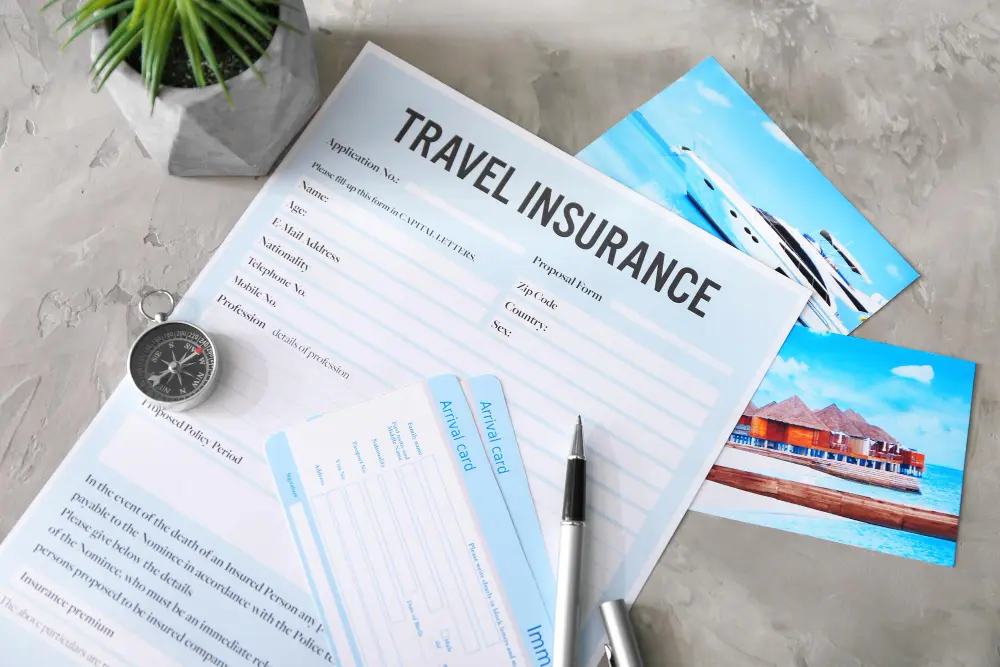
Many first-time travelers consider travel insurance an unnecessary expense. Wrong. Adequate travel insurance can save you thousands of dollars and a huge headache in case of medical emergencies, flight cancellations, lost luggage, or theft.
Read policies carefully and understand what’s covered. Some credit cards offer basic travel coverage, but it’s generally not enough. Look for policies that include emergency medical coverage, medical evacuation, trip cancellation, delays, and baggage protection.
Accidents and illnesses can happen at any time. A simple medical treatment abroad can cost thousands of dollars without insurance. It’s not worth the risk. Consider travel insurance as an essential part of your budget, not as something optional.

6. Connectivity: Stay Online Without Going Broke
Staying connected during your travels is essential for navigation, bookings, communication, and emergencies. Fortunately, in 2026 this is easier and more economical than ever.
The most convenient option for most travelers are eSIMs, which you can purchase and activate directly from your phone without needing to change physical cards. Apps like Airalo or Holafly offer affordable data plans for practically any country.
Alternatively, you can buy a local SIM card upon arriving at your destination. They’re generally cheaper than your carrier’s roaming plans and work better. Just make sure your phone is unlocked before leaving home.
For short trips, many carriers offer international data passes per day. Compare prices before assuming your carrier’s option is the best. And remember: almost all accommodations, coffee shops, and many public places offer free WiFi that you can take advantage of.
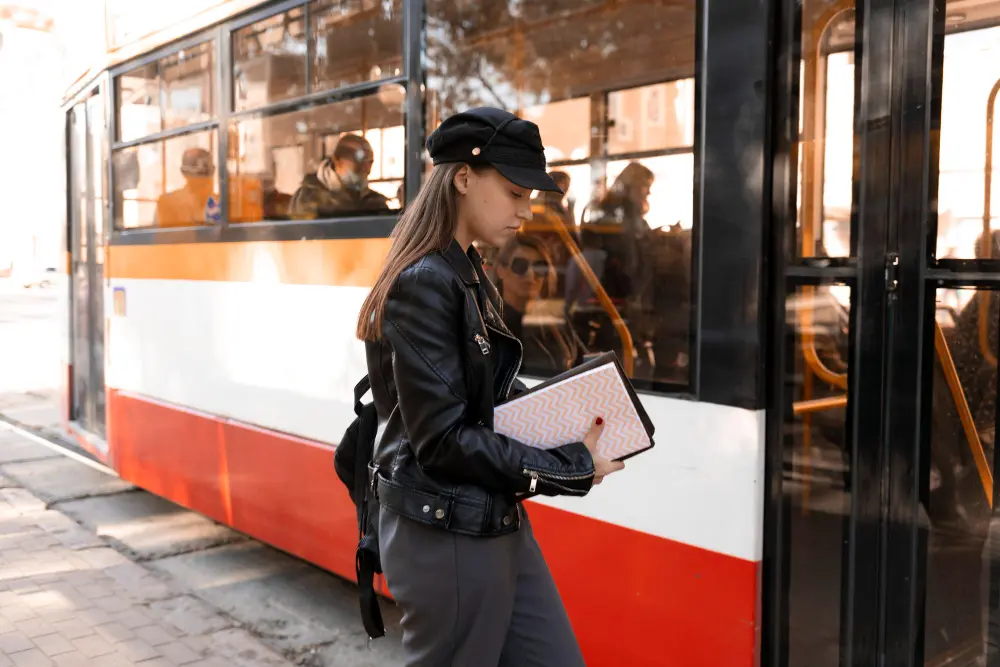
7. Local Transportation: Move Like a Local
Taxis and private transportation services can devour your budget quickly. In most large cities around the world, public transportation is extensive, reliable, and significantly more economical.
Research your destination’s public transportation system before arriving. Many cities offer multi-day passes that are much more economical than buying individual tickets. Google Maps is excellent for planning routes on public transportation in practically any city in the world.
For short distances, consider walking or renting bicycles. Walking is free, it’s good for your health, and you’ll see much more of the city than from a taxi or subway. Bike-sharing apps are available in most tourist cities.
If you need to use taxis or transportation services, opt for apps like Uber, Lyft, Grab, or local alternatives. They’re usually cheaper than street taxis and you can see the final price before accepting the ride.

8. Food: Savor the Destination Without Emptying Your Wallet
One of the best parts of traveling is experiencing local cuisine. However, eating out three times a day can dramatically inflate your budget.
The best advice: eat where the locals eat. Move a few blocks away from the main tourist attractions and you’ll find authentic food at much more reasonable prices. If a restaurant has photos on the menu, it’s generally a sign that it’s oriented toward tourists with inflated prices.
Street food is not only economical but often the most authentic and delicious you’ll find. To identify the best stalls, look for where locals eat and where there are lines. If locals trust a food stall, it’s probably safe and delicious.
If your accommodation has a kitchen, take advantage of it. Visit local markets and buy fresh ingredients to prepare some meals. You don’t need to cook every day, but preparing breakfasts and the occasional meal will save you considerably. Plus, shopping at local markets is a cultural experience in itself.
Bring a reusable water bottle with you. Constantly buying bottled water is expensive and bad for the environment. In many destinations you can refill it with tap water; if it’s not safe to drink local water, refill it at your hotel or look for refill stations.
9. Safety: Protect Yourself and Your Belongings
Staying safe while traveling doesn’t require paranoia, just common sense and some basic precautions.
Don’t carry or wear unnecessary valuables that make you a target for thieves. Leave expensive jewelry at home. When you sit in public places, place your backpack or bag in your lap, not beside you. On public transportation, carry your backpack in front where you can see it.
Invest in anti-theft accessories: fanny packs or wallets with RFID blocking, bags with cut-resistant straps, and backpacks with hidden zippers. A decoy wallet with some cash and expired cards can be useful in high-risk areas; you carry it in an easily accessible place while your real valuables are well secured.
Research your accommodation carefully to ensure it’s in a safe area of the city. Read reviews from other travelers. If you’re traveling alone, share your itinerary with family or friends and maintain regular communication.
Keep emergency money separately. If your wallet is stolen, having extra cash stored in your suitcase will save you from a long, hungry, and complicated day while you wait for money to be sent or new cards to arrive.
10. Language: Small Efforts, Big Rewards
You don’t need to be fluent in the local language, but knowing some basic phrases can literally open doors. “Hello,” “Please,” “Thank you,” “How much does it cost?” and “Where is the bathroom?” are fundamental.
Use translation apps like Google Translate or Duolingo to learn the basics before traveling. Google Translate even has a camera function that translates signs and menus in real time, incredibly useful when you’re lost or trying to order food.
Locals genuinely appreciate the effort, even if your pronunciation is terrible. A simple attempt to speak their language can result in smiles, better service, and recommendations you wouldn’t otherwise receive. Show respect for their culture and you’ll generally be rewarded with kindness.
11. Health: Stay Well During the Trip
Nothing ruins a trip faster than getting sick. Some basic precautions can keep your health in good shape.
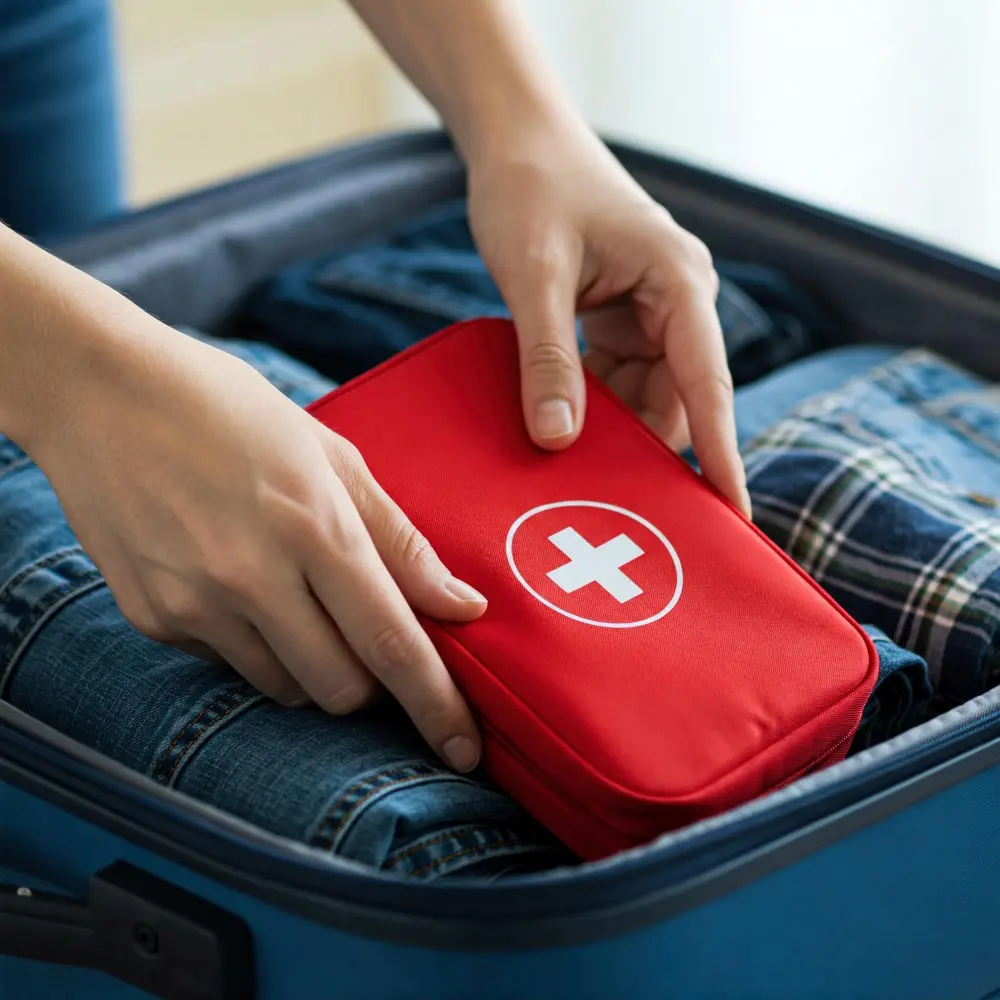
Pack a basic first aid kit with bandages, antibiotic ointment, painkillers, diarrhea medication, and any prescription medication you use regularly. Bring enough medication for the entire trip plus a few extra days in case of delays. If you use an EpiPen or have specific medical requirements, make sure they’re easily accessible and comply with airline regulations.
Maintain healthy habits during the trip. Try to eat at least one healthy meal a day, drink plenty of water, and allow time for your body to rest. Traveling burns more calories than you think, especially with a backpack, so keep snacks available to maintain your energy.
Wash your hands frequently, especially before eating. Use antibacterial gel when you don’t have access to water and soap. In destinations where tap water isn’t safe to drink, don’t use it to brush your teeth either.

12. Technology: The Modern Traveler’s Digital Tools
Your smartphone is probably the most powerful travel tool you carry. Maximize its utility by downloading essential apps before your trip.
Google Maps is indispensable. Download offline maps of your destinations for navigation without connection. The app also shows you public transportation options, restaurant reviews, and business hours.
Translation apps, currency converters, and destination-specific apps (like Citymapper in large cities) will make your life easier. For managing flights and hotels, TripIt or similar apps organize all your travel information in one place.
Don’t forget to download offline entertainment: books, podcasts, music, and maybe some movies or series for long flights. Digital libraries weigh zero and save you from carrying physical books.
Bring a portable charger and all the cables you need. A universal power adapter is essential for international travel. Consider a USB power strip that allows you to charge multiple devices at the same time in hotels where outlets are scarce.

13. Cultural Interaction: Be a Traveler, Not a Tourist
There’s an important difference between being a tourist and being a traveler. Tourists simply visit places; travelers seek to immerse themselves in the local culture.
Research the basic customs and cultural norms of your destination before arriving. What’s acceptable in your country may be offensive in another. For example, in many Asian countries, touching someone’s head is extremely disrespectful. In some Middle Eastern countries, showing the soles of your feet is rude.
Dress appropriately for the cultural and religious context. If you visit temples or religious places, you’ll generally need to cover shoulders and knees. Respect these dress codes; they were established long before you arrived.
Be curious but respectful. Ask questions, but understand that you’re a guest in someone else’s home. Locals aren’t tourist attractions to photograph without permission. Always ask permission before taking photos of people, especially in rural or indigenous communities.
Smile. It’s universal and will open doors for you everywhere. A kind and patient attitude will take you much further than money or perfect language.
14. Flexibility and Attitude: The Secret to Successful Travel
Travel rarely goes exactly according to plan. Flights are delayed, weather changes, places are closed, reservations are lost. Your attitude toward these inevitabilities will determine whether your trip is miserable or memorable.
Maintain flexibility in your planning. If it rains on the day you planned to go to the beach, what else could you do? If that restaurant you wanted to try is closed, what alternatives are nearby? The ability to adapt and find the positive in unexpected situations is a crucial traveler skill.
Be patient. Things work differently in other countries. Service may be slower, trains may arrive late, bureaucracy may be confusing. Getting frustrated won’t change the situation; taking a deep breath and staying calm will make the experience more tolerable.
Remember that life isn’t what happens to you, but how you react to it. Many of the best travel stories come from when things didn’t go according to plan. Embrace the unexpected.

15. Capture Memories, But Live the Moment
In the age of Instagram and TikTok, it’s tempting to experience everything through your phone screen. Resist that temptation.
Of course, take photos. Capture memories. But don’t let the search for the perfect photo prevent you from really being present in the moment. Sometimes the most memorable experiences are those we simply live without documenting every second.
Consider keeping a travel journal. Write your thoughts, experiences, and impressions each night. Years later, these notes will transport you back to those moments in ways that photos never can. Include sensory details: how that market smelled, how that street sounded at dawn, how that strange dish you tried tasted.
Participate in experiences without your phone. That local music concert, that conversation with the coffee shop owner, that sunset walk. Some moments deserve to be stored only in memory.
16. Sustainability: Travel Responsibly
As travelers, we have the responsibility to minimize our negative impact and, when possible, leave places better than we found them.
Choose local businesses over international chains. Eat at family restaurants, shop at local markets, hire local guides. Your money directly impacts the community you’re visiting.
Reduce your plastic use. Carry a reusable bottle, cloth bags for shopping, and refuse unnecessary straws. Many tourist destinations are dealing with serious plastic waste problems; don’t contribute to the problem.
Respect nature. If you visit natural areas or national parks, follow the “leave no trace” principle: take all your trash with you, stay on marked trails, and don’t disturb wildlife. Don’t buy products made from endangered species or corals.
Consider the impact of your transportation. Flights have a large carbon footprint. If it’s practical, consider taking trains or buses for shorter distances. When you fly, consider offsetting your carbon footprint through certified programs.
17. Moments of Disconnection: Give Time to Rest
The temptation to fill every moment with activities is real, especially when you feel you have limited time. However, the most memorable trips often include time to simply be.
Deliberately schedule downtime in your itinerary. Spend an afternoon without plans in a local park, people-watching. Have a long coffee at a café without rushing to go anywhere. These calm moments often offer the most authentic cultural observations and opportunities for reflection.
Don’t try to see absolutely everything. It’s better to explore a few things thoroughly than to rush through an endless list. Quality beats quantity. If you return home feeling more exhausted than when you left, something went wrong.
Listen to your body. If you need a rest day, take it. Your future self will thank you, and you’ll enjoy the rest of the trip more when you’re rested.

18. Human Connections: The True Treasure of Travel
The places you visit are memorable, but the people you meet often become the most memorable part of your travels.
Talk to locals. Ask for recommendations. Many people are happy to share their knowledge about their city or country, and you’ll get genuine suggestions you’d never find in tourist guides. Some of the best restaurants, viewpoints, and experiences are off the tourist radar and only known to locals.
If you stay in hostels, be open to meeting other travelers. Travel friendships can be intense and meaningful; people from around the world sharing experiences and advice. Some of these casual acquaintances will become lifelong friends.
Participate in group experiences when appropriate: free walking tours, cooking classes, language exchanges. These structured activities make it easy to meet people with similar interests.
Final Reflection: Your Journey Awaits You
Traveling as a beginner can seem intimidating, but it’s also incredibly exciting. Every experienced traveler was once a nervous novice packing their first suitcase and wondering if they forgot something important.
The truth is that you’ll probably make some mistakes. You’ll pack things you’ll never use, get lost occasionally, maybe miss a bus or overpay for something. That’s okay. These little stumbles are part of learning and often become your best anecdotes.
Most importantly: get out there. Don’t wait for the perfect moment, the perfect budget, or perfect circumstances. If you wait for that, you’ll never travel. Start with something small if you need to: a weekend in another city, a week in a neighboring country. Each trip builds confidence and skills that you’ll carry to the next one.
The world is surprisingly accessible, people are generally kind, and your capabilities are greater than you imagine. With these essential tips in your pocket and an attitude of openness and curiosity, you’re ready for your first great adventure.
Remember: the perfect trip doesn’t exist. Your trip will exist, with its extraordinary moments and its small challenges, and it will be absolutely perfect precisely because of that. Now, stop procrastinating, start planning, and get ready to discover everything the world has to offer you.
Ready for your first trip? The world awaits you. Bon voyage, and may your first adventure be just the beginning of many more to come!