 By Thomas Laic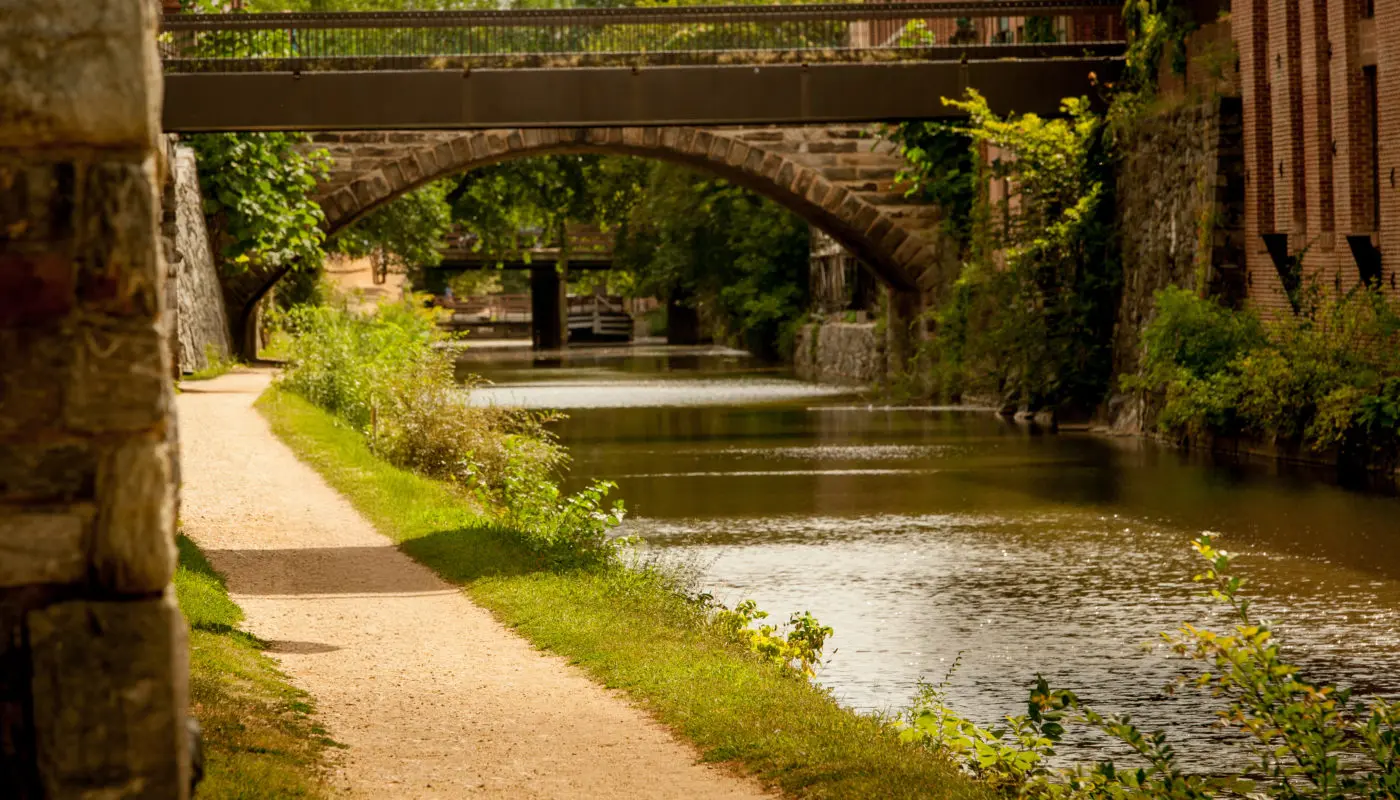
The C&O Canal towpath stretches 184.5 miles from Georgetown in Washington, D.C., to Cumberland, Maryland, offering one of the most remarkable outdoor experiences on the East Coast. Whether you’re planning a day trip, weekend getaway, or multi-day adventure, proper C&O Canal trip planning ensures you’ll make the most of this historic national park.
Understanding the C&O Canal National Historical Park
The Chesapeake and Ohio Canal was originally constructed in the 1800s to transport coal and goods along the Potomac River. Today, the towpath serves as a pristine recreational corridor for hikers, cyclists, and history enthusiasts. The relatively flat, well-maintained dirt path makes it accessible for various skill levels, though proper planning remains essential for a successful trip.
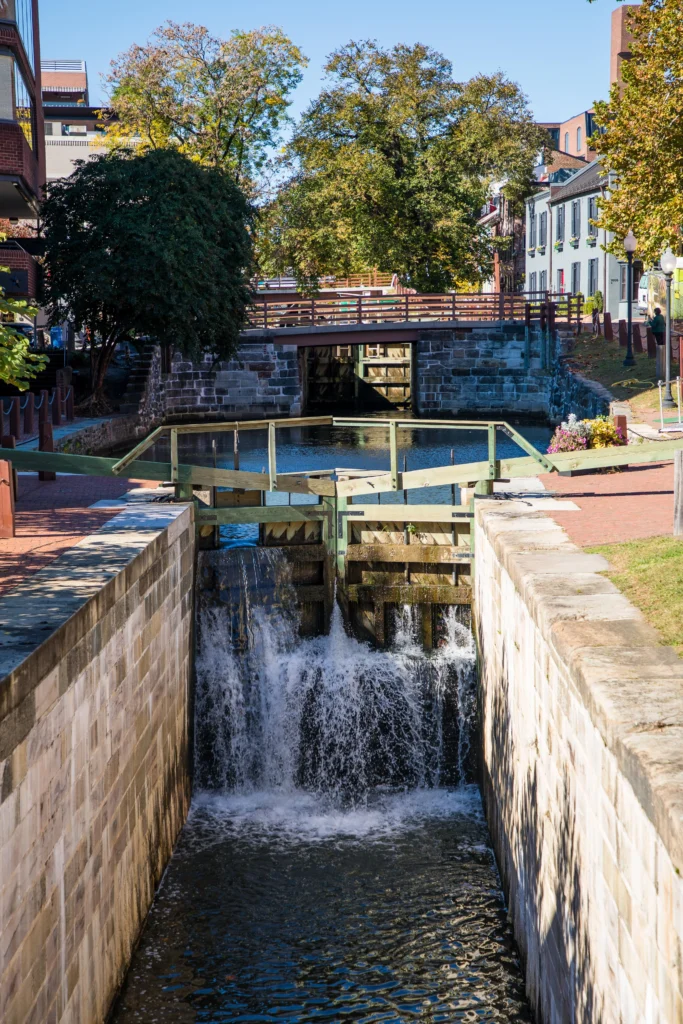
The canal runs parallel to the Potomac River through diverse landscapes including urban areas, pastoral farmland, mountain passes, and dense forests. Along the route, you’ll encounter 74 historic lift locks, aqueducts, lockhouses, and numerous access points that make trip planning flexible and customizable.
Best Times to Visit for Your C&O Canal Trip Planning
Timing significantly impacts your canal experience. Spring brings wildflowers and mild temperatures, making it ideal for hiking and cycling. The towpath becomes particularly beautiful from late April through May when the forest canopy fills in and wildlife becomes more active.
Summer offers the longest daylight hours, perfect for extended trips, though temperatures can reach uncomfortable levels, especially in the lower sections near Washington, D.C. The tree cover provides some relief, but plan for hot, humid conditions and bring extra water.
Fall ranks as the most popular season for C&O Canal trip planning. September through November delivers spectacular foliage, cooler temperatures, and fewer insects. The changing leaves create a stunning backdrop, particularly in the upper sections near Cumberland.
Winter trips require more preparation but offer solitude and unique beauty. The towpath remains open year-round, though some facilities close seasonally. Ice and snow can make certain sections challenging, so winter visitors should have appropriate gear and experience.
Choosing Your Route and Distance
Your C&O Canal trip planning should begin with selecting the right section and distance for your abilities and interests. The canal divides into distinct regions, each offering different characteristics.
The Georgetown to Great Falls section (14 miles) represents the most visited portion. This paved section accommodates the highest traffic and provides easy access to amenities. Great Falls offers spectacular scenery and interpretive programs, making it perfect for families and first-time visitors.
From Great Falls to Harper’s Ferry (46 miles), the trail becomes more remote. This section features beautiful river views, historic sites, and the challenging Monocacy Aqueduct. Harper’s Ferry serves as an excellent mid-point destination with its rich Civil War history and charming downtown.
The middle sections from Harper’s Ferry to Hancock (72 miles) showcase the canal’s rural character. You’ll pass through small towns like Shepherdstown and Williamsport, with opportunities to explore local restaurants and shops. These sections see moderate traffic and offer good camping options.
The upper sections from Hancock to Cumberland (66 miles) present the most challenging terrain. The towpath becomes rougher, and facilities space out more widely. However, this region rewards adventurous travelers with stunning mountain scenery and greater solitude.
Transportation and Logistics Planning
Successful C&O Canal trip planning requires solving the transportation puzzle. Most visitors choose between out-and-back trips, one-way journeys with shuttle arrangements, or loop routes incorporating nearby roads.
Several shuttle services operate along the canal, allowing cyclists to arrange vehicle transport between starting and ending points. Research these services well in advance, as availability varies seasonally and demand runs high during peak periods.
Many adventurers arrange car shuttles by leaving one vehicle at their endpoint and driving to the starting point in a second vehicle. This works well for groups but requires coordination.
Public transportation serves the Georgetown end well, with Metro access making it easy to start or end trips without a car. Amtrak’s Capitol Limited line stops in Cumberland, providing another convenient option for one-way trips along the canal.

Camping and Accommodation Options
The C&O Canal offers numerous camping options, essential for multi-day trip planning. The park maintains 30 hiker-biker campsites spaced approximately every five to seven miles along the towpath. These primitive sites operate on a first-come, first-served basis and typically include chemical toilets, picnic tables, and fire rings. No reservations are accepted, and sites cost five dollars per site per night.
Drive-in campgrounds including McCoys Ferry, Fifteen Mile Creek, Spring Gap, and Paw Paw Tunnel provide more amenities and can be reserved in advance through Recreation.gov. These sites accommodate RVs and larger groups, making them ideal for families or those preferring vehicle access to their campsite. Reservations are required for all drive-in sites, with fees generally twenty dollars per night for standard drive-in sites and forty dollars per night for group sites during peak season. Stay limits allow up to 14 days between May 1 and October 1.
Major drive-in locations include Antietam Creek at Mile 75.2 with adjacent parking available, McCoys Ferry at Mile 110.4 offering traditional drive-in sites, Fifteen Mile Creek at Mile 140.9 with scenic views and traditional camping facilities, and Paw Paw Tunnel at Mile 155.2 located near the famous tunnel landmark.
For those seeking more comfort, historic lockhouses are available for overnight stays through the Canal Quarters program. These beautifully restored historical structures provide a unique lodging experience that combines period charm with modern amenities like beds, kitchens, and bathrooms. Reservations for lockhouses should be made months in advance, especially for weekends and fall foliage season, as these distinctive accommodations book quickly.
Towns along the route offer hotels, bed and breakfasts, and vacation rentals. Shepherdstown, Brunswick, Hancock, and Cumberland all provide accommodation options within easy reach of the towpath.
Essential Gear and Supplies
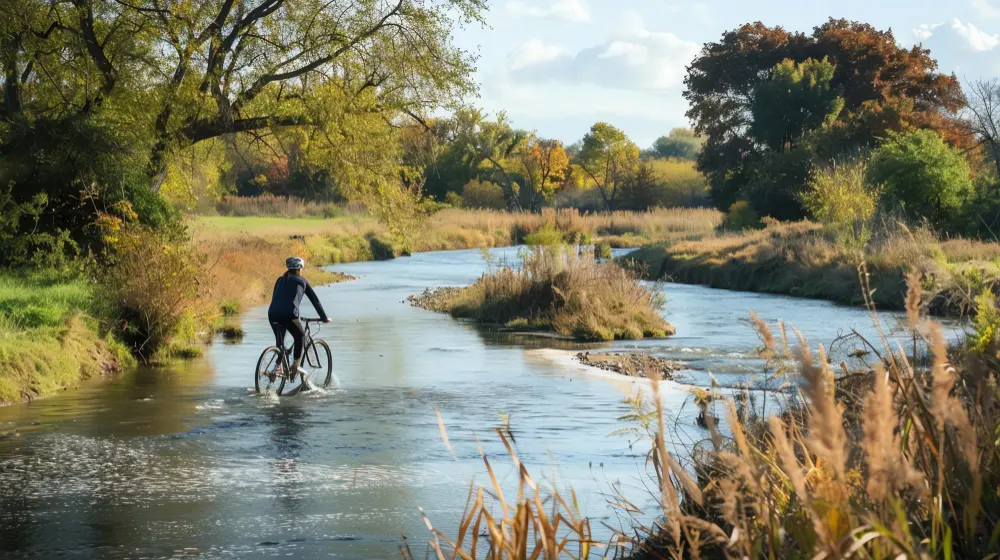
Your C&O Canal trip planning packing list varies based on trip length and season. For cycling trips, a sturdy hybrid or mountain bike handles the packed dirt surface better than road bikes. Wide tires help navigate occasional muddy sections and tree roots.
Carry multiple water bottles or a hydration system, as water sources space out considerably in some sections. While hand pumps exist at many campsites, treat all water before drinking or bring sufficient supplies.
Navigation tools remain important despite the straightforward route. Download offline maps, carry a printed guide, and note mile markers to track progress. Cell service becomes spotty in remote sections.
Pack layers for changing weather conditions, rain gear regardless of the forecast, and sun protection including hat, sunglasses, and sunscreen. Insect repellent proves essential during warmer months when mosquitoes and ticks are prevalent.
Bring a comprehensive first aid kit, bike repair tools and spare tubes for cyclists, and a headlamp or flashlight. Consider trekking poles for hikers covering long distances, as they reduce strain on knees and ankles.
Water and Food Planning
Water access requires careful planning. While campsites typically have water pumps, they may not function reliably. Many experienced towpath travelers carry water filters or purification tablets and plan to refill from the Potomac River or canal itself.
Calculate water needs conservatively, especially during summer heat. Most adults require three to four liters daily when active, more in hot weather.
For food, most multi-day travelers carry lightweight backpacking meals, energy bars, trail mix, and other non-perishable items. Towns near the canal provide resupply opportunities, but they may require detouring from the towpath.
Plan meals around available cooking equipment and fuel. Many campsites prohibit ground fires during dry conditions, so carry a camp stove for reliable cooking ability.
Safety Considerations and Trail Conditions
C&O Canal trip planning must account for potential hazards. The towpath floods regularly, particularly in spring and after heavy rains. Check current trail conditions and closures on the National Park Service website or call visitor centers before departing. Some sections may close temporarily due to flood damage or maintenance work.
Wildlife encounters remain possible. Black bears inhabit the area, especially in upper sections. Store food properly in bear-resistant containers or hang it away from campsites. Copperhead and timber rattlesnakes live along the canal, so watch where you step and camp.
The towpath can become quite isolated, with hours passing between encounters with other trail users in remote sections. Inform someone of your itinerary and expected return. Consider carrying a personal locator beacon or satellite communication device for emergencies in areas without cell coverage.
Poison ivy grows abundantly along the canal. Learn to identify and avoid it, wear long pants when possible, and carry treatment for exposure.
Permits and Regulations
C&O Canal trip planning requires understanding park regulations. No permits are needed for hiking or biking, though camping fees apply at hiker-biker sites. Group sizes are limited to help preserve the trail experience and minimize environmental impact.
Pets are allowed but must remain on leashes no longer than six feet. Be prepared to clean up after animals and respect other trail users.
Campfires are permitted only in designated fire rings at established campsites. Collect dead wood from the ground rather than cutting or damaging trees. Extinguish fires completely before leaving or sleeping.
Practice Leave No Trace principles throughout your journey. Pack out all trash, stay on designated trails, and minimize your impact on this historic landscape. These seven principles help preserve the natural beauty and historical integrity of the canal for future generations.
Making Your C&O Canal Trip Planning a Reality
The Chesapeake and Ohio Canal towpath offers an unparalleled opportunity to experience American history, natural beauty, and outdoor adventure. Whether you’re planning a short day trip from Georgetown or an end-to-end expedition from Washington to Cumberland, careful preparation ensures a memorable experience.
Start your C&O Canal trip planning early, especially for peak season travel. Research your chosen section, arrange transportation logistics, make any necessary reservations, and prepare appropriate gear. Check current trail conditions shortly before departure and remain flexible to adjust plans based on weather or unexpected closures.
The towpath welcomes adventurers of all experience levels. With proper planning, adequate preparation, and respect for the historical and natural resources, your C&O Canal journey will create lasting memories and perhaps inspire return trips to explore different sections of this remarkable national treasure.