 By Elois da Costa
If you are searching for the best road stops to include on your next trip, the answer is simple: prioritize scenic overlooks, local food landmarks, short nature trails, historic small towns, and safe rest areas spaced every 90 to 120 minutes of driving. When planned strategically, road stops transform long highway hours into memorable travel experiences.
Most travelers focus heavily on the final destination. Experienced road trippers understand that the journey itself is where the magic happens. The difference between an exhausting drive and an unforgettable adventure comes down to planning purposeful stops that add value, comfort, and discovery to your route.
Below, you will find exactly which road stops deserve your time and how to plan them efficiently.

Scenic Overlooks That Deserve More Than Five Minutes
Scenic stops are not just photo opportunities. They are mental resets that improve focus and driving safety.
When planning, use official tools like the National Park Service trip planning resources at https://www.nps.gov/planyourvisit/index.htm to confirm accessibility, seasonal closures, and parking details.
The best scenic road stops typically include:
- Mountain summit viewpoints with designated parking
- Canyon overlooks with safety railings
- Desert horizons during sunrise or sunset
- Lakeside turnouts with picnic tables
Give yourself at least 30 to 45 minutes at major overlooks. Walk around. Breathe. Hydrate. If you are driving through multiple states, consider investing in the America the Beautiful annual park pass information page at https://www.nps.gov/planyourvisit/passes.htm, which can significantly reduce entrance costs if you plan multiple park stops.
Smart travelers time scenic road stops around golden hour for softer lighting and fewer crowds.

Local Diners and Regional Food Landmarks
One of the most rewarding types of road stops is food-driven exploration. Instead of relying on chain restaurants near highway exits, research regional specialties before departure.
You can locate authentic local markets and producers through the USDA local food directory at https://www.usdalocalfoodportal.com. This tool helps identify farmers markets, farm stands, and regional food hubs across the country.
Examples of meaningful food stops:
- Barbecue smokehouses in Texas
- Fresh lobster shacks in Maine
- Green chile diners in New Mexico
- Farm-to-table cafés in California wine regions
Allocate at least one hour for food-based road stops. Eat slowly. Walk the area. Engage with locals. These moments often become the most vivid memories of your trip.

Short Nature Trails That Reset Your Energy
Long driving sessions increase fatigue. According to the National Highway Traffic Safety Administration drowsy driving statistics at https://www.nhtsa.gov/risky-driving/drowsy-driving, fatigue significantly impacts reaction time and decision-making.
That is why short nature breaks are not optional. They are essential.
Look for:
- Easy loop trails under two miles
- Boardwalk wetland paths
- Waterfall viewing areas close to parking
- Ranger stations with exhibits
State park websites and the official Recreation.gov trip planning platform at https://www.recreation.gov make it easy to identify accessible trails and facilities.
Keep walking shoes accessible in your vehicle. A 20-minute nature stop can restore energy levels better than caffeine.

Historic Small Town Main Streets
Some of the most meaningful road stops are found in towns travelers usually overlook.
Use the National Register of Historic Places database at https://www.nps.gov/subjects/nationalregister/index.htm to identify communities with preserved architecture and heritage districts.
When stopping in a historic town:
- Park centrally and walk at least three blocks
- Visit a local bookstore or café
- Check for small museums or heritage centers
- Support a locally owned shop
These stops add cultural depth to your journey and support regional economies.
Plan 60 to 90 minutes in small towns. Avoid rushing. The goal is immersion, not a checklist.
Coastal Pull-Offs and Ocean Viewpoints
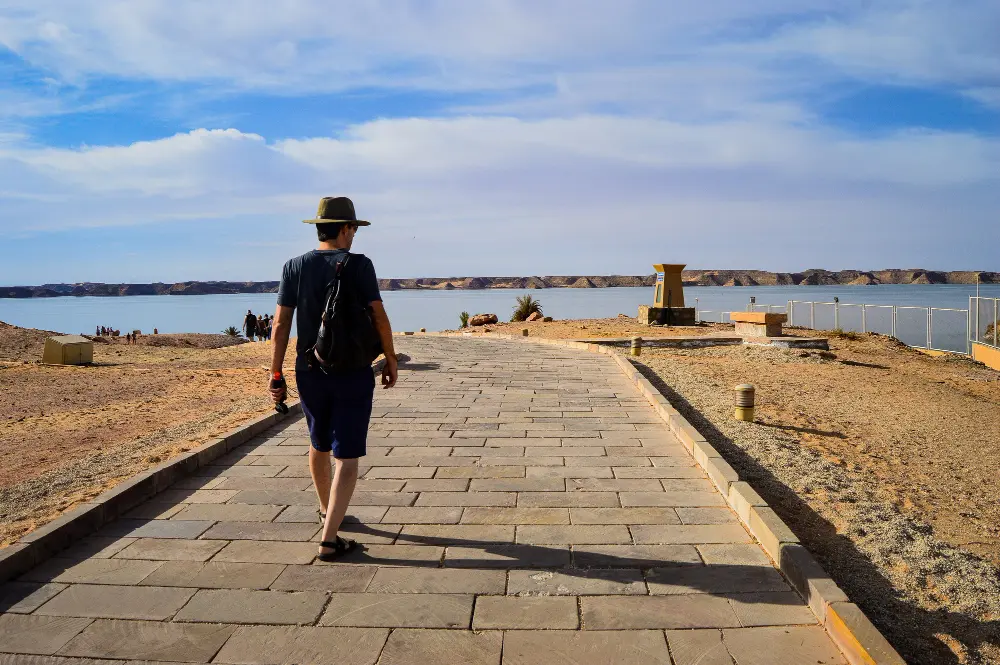
If your route includes a coastal highway, build in multiple short scenic stops rather than one extended beach visit.
Before planning shoreline walks, consult the NOAA official tide predictions at https://tidesandcurrents.noaa.gov to confirm safe access times.
Strategic coastal road stops include:
- Cliffside parking with safe barriers
- Public beach access paths
- Historic lighthouses
- Scenic picnic tables overlooking the ocean
Early morning and late afternoon are ideal for parking availability and photography.

Rest Areas That Go Beyond Basic
Modern rest areas are more than bathrooms. Many include pet areas, shaded picnic spaces, tourism displays, and even walking trails.
Before departure, review your state’s official Department of Transportation website for amenity maps. These official DOT pages provide accurate information on facilities and accessibility.
Use rest stops strategically:
- Rotate drivers
- Stretch and hydrate
- Review your next driving segment
- Check weather updates
Spacing rest-based road stops every 90 to 120 minutes improves both comfort and safety.
How to Plan Road Stops Like a Travel Pro
Strategic planning prevents stress and maximizes enjoyment.

1. Break Your Drive Into Segments
Use the Google Maps route planner at https://maps.google.com to calculate realistic driving times. Divide your route into two-hour segments.
2. Assign a Purpose to Each Stop
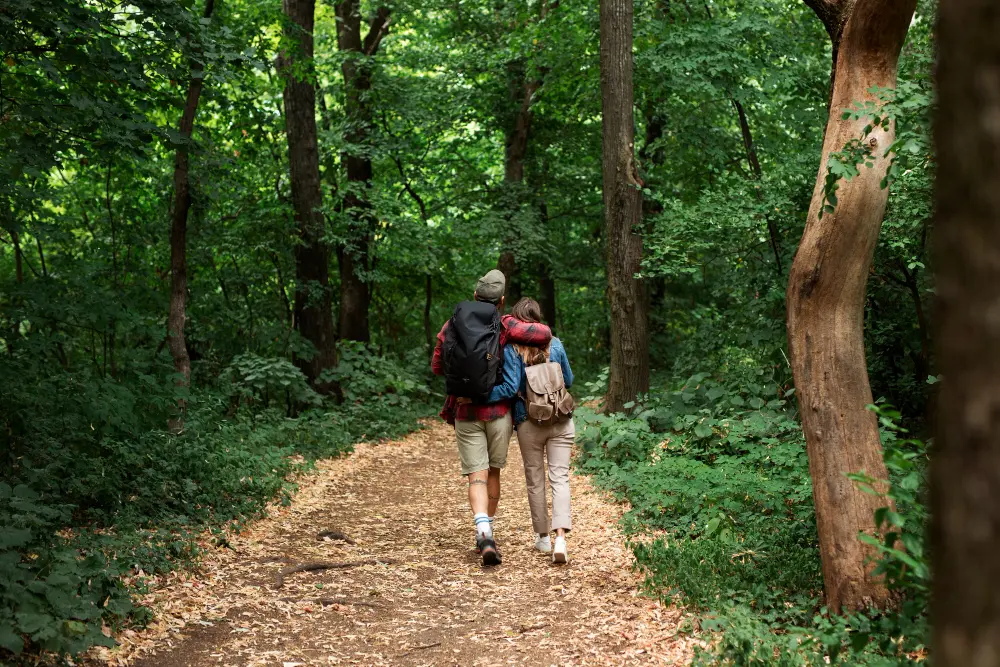
Alternate between:
- Scenic viewpoints
- Food experiences
- Nature walks
- Cultural exploration
This variety keeps energy levels high.
3. Add a Time Buffer
Always add 20 percent extra time beyond estimated travel duration. Traffic, construction, and spontaneous discoveries are part of road travel.
4. Download Offline Maps
Rural areas often have limited signal. Download maps in advance to avoid navigation stress.
Mistakes to Avoid When Scheduling Road Stops
Even well-planned trips can go wrong without proper pacing.
Overplanning:
Three meaningful stops per day is often ideal. More than that can feel rushed.
Ignoring Seasonal Closures:
Always verify park and attraction hours through official websites.
Not Packing Essentials:
Keep water, sunscreen, snacks, and chargers easily accessible.
Skipping Movement Breaks:
Physical movement is essential for focus and circulation during long drives.

Turning Road Stops Into Signature Travel Moments
The best travelers approach road stops intentionally.
Instead of asking where to stop, ask:
- What experience will make this drive unforgettable?
- Where can we interact with local culture?
- When is the best lighting for scenic photography?
Examples of signature moments:
- Sunrise coffee at a mountain overlook
- A spontaneous conversation with a local shop owner
- A short forest trail leading to a waterfall
- A regional dessert you cannot find anywhere else
When thoughtfully planned, road stops become highlights rather than interruptions.
Final Takeaway
The most successful road trips are built around strategic, meaningful road stops. Scenic viewpoints, local food landmarks, short nature trails, historic small towns, and well-timed rest breaks transform a simple drive into a layered travel experience.
Plan with intention. Build time buffers. Prioritize safety. Leave room for discovery.
Your destination matters. But the right road stops make the journey unforgettable.