 By Elois da Costa
If you are wondering how to organize your trip finances without stress, overspending, or surprise charges, the answer is simple: use a structured travel budget planner before you book anything. A clear, itemized travel budget planner helps you estimate costs, prioritize experiences, compare destinations, and stay in control of every dollar from the moment you start planning until you return home.
For travelers who love staying informed and planning every detail, budgeting is not about limiting fun. It is about maximizing value. When you know exactly where your money is going, you gain flexibility, confidence, and smarter decision making throughout your vacation.
Below, you will find a step by step guide designed for beginners who want practical, actionable advice, not vague budgeting tips.
Why a Travel Budget Planner Changes the Way You Travel
Most travelers underestimate three things: small daily expenses, transportation add ons, and currency fluctuations. According to the U.S. Bureau of Labor Statistics consumer expenditure data, transportation and lodging consistently represent the largest travel related expenses. Without a clear structure, those categories can quickly exceed your expectations.
A travel budget planner allows you to:
- Forecast total trip cost before booking
- Compare multiple destinations realistically
- Adjust trip length based on actual numbers
- Avoid credit card debt after returning home
- Track real expenses versus estimated costs
Instead of guessing, you are planning with intention.
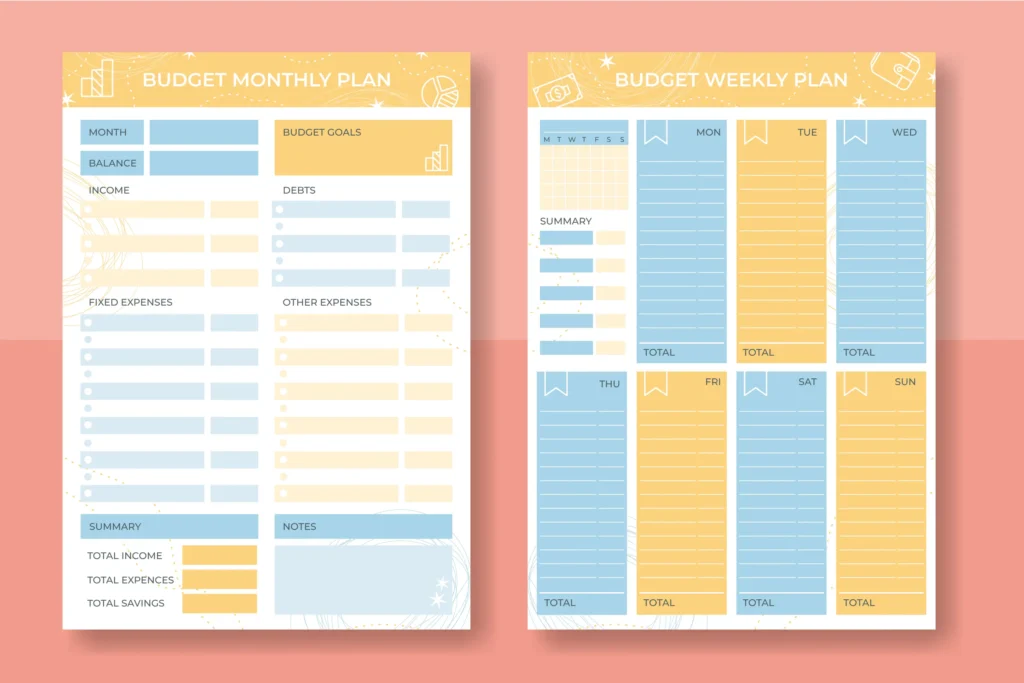
Step 1: Define the Full Scope of Your Trip
Before opening spreadsheets or apps, define these core variables:
- Destination
- Trip length
- Travel season
- Number of travelers
- Travel style, budget, mid range, or luxury
For example, five days in New York City during peak season will not cost the same as five days in Lisbon in shoulder season. Use tools like Google Flights price tracking to compare airfare trends and estimate realistic flight costs before finalizing your destination.
Your travel budget planner should begin with a rough total budget ceiling. This is the maximum you are willing or able to spend.

Step 2: Break Down the Core Categories
A well structured travel budget planner includes the following main categories:
1. Transportation
This includes:
- Flights
- Trains or buses
- Airport transfers
- Car rentals
- Public transportation passes
- Fuel and parking fees
When booking flights, compare options directly on airline websites and aggregators like Expedia flight deals to identify hidden baggage fees or fare differences.
| Feature | Airline Websites | Flight Aggregators |
|---|---|---|
| Examples | Delta Air Lines official site, American Airlines booking page, United Airlines reservations | Expedia flight deals, Google Flights search tool, Kayak flight comparison |
| Base Fare Transparency | Shows official base fares directly from the carrier | Displays multiple airlines side by side for price comparison |
| Baggage Fees | Clearly listed in baggage policy section, such as the Delta baggage fee chart | May not always display full baggage costs until checkout |
| Seat Selection Fees | Clearly outlined before payment | Sometimes shown later in the booking process |
| Change and Cancellation Policies | Direct access to official airline fare rules | Policy summaries may vary by platform |
| Price Comparison Across Airlines | Must check each airline separately | Instantly compares multiple airlines at once |
| Customer Service | Direct communication with airline | Third party customer service may act as intermediary |
| Loyalty Points and Status Benefits | Easier integration with frequent flyer accounts | May require manual entry of loyalty numbers |
| Promotions and Flash Sales | Airline exclusive promotions may appear first | Aggregators may bundle discounts or package deals |
Pro tip: Always calculate the total cost including seat selection, luggage, and airport transfers. The cheapest ticket is not always the lowest final cost.

2. Accommodation
Your lodging choice shapes your entire budget. Compare:
- Hotels
- Vacation rentals
- Hostels
- Boutique stays
Platforms such as Airbnb accommodations can offer competitive pricing for longer stays, especially for families or groups.
In your travel budget planner, record:
- Nightly rate
- Taxes and cleaning fees
- Resort fees
- Security deposits
Multiply the total nightly cost by the number of nights. Do not forget early check in or late checkout fees.

3. Food and Dining
Many travelers underestimate food costs. Even modest daily spending adds up quickly.
Create a daily food allowance. For example:
- Breakfast: $10
- Lunch: $15
- Dinner: $25
- Snacks and coffee: $10
Multiply by trip length and number of travelers.
You can research average meal costs using destination specific travel guides or local tourism websites. Many official tourism boards publish cost estimates for visitors.

4. Activities and Experiences
This is where your trip becomes memorable. Museums, tours, theme parks, cooking classes, boat rides, and special attractions should be listed individually in your travel budget planner.
Check official attraction websites for current pricing. For example, U.S. travelers visiting national parks can review entrance fees through the National Park Service fee schedule.
List each activity separately and categorize them as:
- Must do
- Nice to have
- Optional if budget allows
This helps you cut costs strategically if needed.

5. Travel Insurance
Travel insurance is not optional for many international trips. According to the U.S. Department of State travel guidance, unexpected medical emergencies abroad can become extremely expensive without proper coverage.
Include:
- Insurance premium
- Coverage details
- Cancellation protection
- Medical evacuation
Add the exact premium amount to your travel budget planner before finalizing your total.

6. Emergency Fund
Set aside 5 to 15 percent of your total trip cost for emergencies. This covers:
- Medical needs
- Last minute transportation changes
- Lost items
- Weather disruptions
If you do not use it, consider it a bonus for your savings account.
Step 3: Account for Currency Exchange and Fees
If traveling internationally, factor in:
- Exchange rate fluctuations
- ATM withdrawal fees
- Foreign transaction fees
- Dynamic currency conversion charges
Check your bank policies in advance. Some travel credit cards waive foreign transaction fees, which can save 1 to 3 percent on every purchase.
Add a small buffer to your travel budget planner if exchange rates are volatile.
Step 4: Choose the Right Budget Tracking Tool
You can build your travel budget planner using:
- Google Sheets
- Excel
- Dedicated budgeting apps
- Travel specific apps
Spreadsheets work well because they allow formulas, automatic totals, and side by side comparison of multiple trip scenarios.
Organize your spreadsheet with:
Column 1: Category
Column 2: Estimated cost
Column 3: Actual cost
Column 4: Difference
Update actual expenses daily during your trip to avoid unpleasant surprises.
Example.
Scenario:
A U.S. traveler visiting Europe with a planned spending budget of $2,000 USD.
| Category | Planned USD | Exchange Rate Used | Converted Amount | Extra Fees | Final Cost in USD |
|---|---|---|---|---|---|
| Hotel | $1,000 | 1 USD = 0.92 EUR | €920 | 3% foreign transaction fee ($30) | $1,030 |
| Food | $500 | 1 USD = 0.92 EUR | €460 | ATM withdrawal fee $15 | $515 |
| Activities | $300 | 1 USD = 0.92 EUR | €276 | Dynamic currency conversion 4% ($12) | $312 |
| Transportation | $200 | 1 USD = 0.92 EUR | €184 | None | $200 |
| Total Estimated | $2,000 | $2,057 |

Step 5: Use Timing to Your Advantage
Timing can dramatically impact your total cost.
Book Flights Strategically
Airfare fluctuates frequently. According to industry data reported in the Hopper airfare trends analysis, booking domestic flights one to three months in advance often yields better pricing, while international flights may require earlier planning.
Track prices for several weeks before purchasing.
Travel During Shoulder Season
Traveling just before or after peak season can reduce:
- Hotel prices
- Attraction crowds
- Flight costs
Add a comparison section in your travel budget planner showing peak versus shoulder season totals. Sometimes adjusting travel dates by two weeks can save hundreds of dollars.

Step 6: Reduce Costs Without Reducing Quality
Budget travel does not mean low quality travel. It means intentional spending.
Here are practical ways to optimize your travel budget planner:
Bundle Transportation
If visiting multiple cities, compare rail passes versus individual tickets. Calculate both options inside your planner.
Stay Slightly Outside Tourist Centers
Hotels outside main tourist districts often cost significantly less. Factor in transportation costs to ensure the savings are real.
Prioritize Experiences Over Souvenirs
Instead of allocating large amounts to shopping, dedicate more budget to unique experiences that create lasting memories.
Use Reward Points
If you have credit card points or airline miles, subtract the value of redeemed rewards directly from your transportation or accommodation category.

Step 7: Monitor Spending During the Trip
Your travel budget planner is not just for pre trip planning. It is a live document.
Every evening:
- Record expenses
- Compare estimated versus actual
- Adjust future days if needed
If you overspend on day one dining, reduce spending on day two attractions. Small adjustments prevent large financial stress later.
Common Budget Planning Mistakes to Avoid
Even organized travelers make mistakes. Watch for:
- Ignoring local taxes and service charges
- Forgetting airport transportation costs
- Not budgeting for tips
- Skipping travel insurance
- Assuming exchange rates will stay stable
A detailed travel budget planner eliminates these blind spots.
Sample Budget Breakdown for a 5 Day Domestic Trip
Here is an example framework for two travelers:
Flights: $500
Hotel, 4 nights: $800
Food: $400
Transportation local: $150
Activities: $300
Travel insurance: $80
Emergency fund, 10 percent: $223
Estimated total: $2,453
Seeing the full picture before booking allows you to adjust early rather than later.
How a Travel Budget Planner Supports Long Term Travel Goals
Smart budgeting does more than organize one trip. It builds sustainable travel habits.
When you document real travel costs:
- You learn realistic destination pricing
- You identify spending patterns
- You improve future cost estimates
- You travel more often without financial strain
Over time, your travel budget planner becomes a personal travel finance database. Each trip improves your forecasting accuracy.
Final Thoughts: Plan With Precision, Travel With Confidence
A travel budget planner is not about restricting adventure. It is about empowering it. When you clearly define transportation, lodging, food, activities, insurance, and emergency funds, you remove uncertainty from your vacation.
The result is simple: less stress, smarter choices, and more enjoyment.
If you love travel and value informed decisions, building and consistently using a travel budget planner is one of the most powerful habits you can develop. Every dollar you plan intentionally becomes a dollar that works for you, not against you.