 By Elois da Costa
Family vacations on a budget are not only possible: they can be some of the most memorable, rewarding experiences your family will ever share. The short answer to how you can pull it off is this: with the right planning tools, flexible travel dates, and a few insider strategies, you can take your family on an amazing trip without draining your savings account. Whether you’re dreaming of a beach getaway, a national park adventure, or a city escape, this guide walks you through everything you need to know to plan a trip that is fun, affordable, and stress-free for the whole family.

Start with a Realistic Budget (and Stick to It)
Before you book anything, sit down and decide how much you are genuinely comfortable spending. Include every category: flights or gas, accommodations, food, activities, travel insurance, and a small buffer for unexpected costs. According to U.S. Bureau of Labor Statistics consumer expenditure data, American families spend an average of over $2,800 on vacations annually, but that number varies enormously depending on destination, travel style, and how far in advance you plan. The key is knowing your ceiling before you fall in love with a destination that doesn’t fit your wallet.
One practical approach is to use a free budgeting tool like Google Sheets travel budget templates to track every expense in one place. Breaking the total into categories makes it easier to see where you can trim and where it’s worth spending a little more.

Choose Destinations That Offer Big Value
Not all destinations cost the same, and when it comes to family vacations on a budget, your choice of location is probably the single biggest factor that shapes your total cost. Destinations with lower costs of living, strong competition among accommodations, and a wealth of free or low-cost activities can stretch your budget significantly further than popular tourist hotspots.
National parks are one of the best-kept secrets for budget family travel. The America the Beautiful Annual Pass costs $80 per year and gives your entire family unlimited access to over 2,000 federal recreation sites, including all U.S. National Parks. If you visit two or more parks in a year, it pays for itself immediately. Parks like Shenandoah, Great Smoky Mountains, and Olympic offer jaw-dropping scenery, hiking for all ages, and camping options that cost a fraction of what a hotel would run you.
Beach destinations in the off-season, smaller cities near major attractions, and road trip routes through rural areas are other fantastic ways to see the country without the premium price tag of peak-season tourism.
Book Flights Smartly (or Skip Them Entirely)
Airfare is often the biggest line item in a family travel budget, especially when you’re buying four or five tickets at once. The good news is that with the right approach, you can find deals that make flying affordable even for a large family.
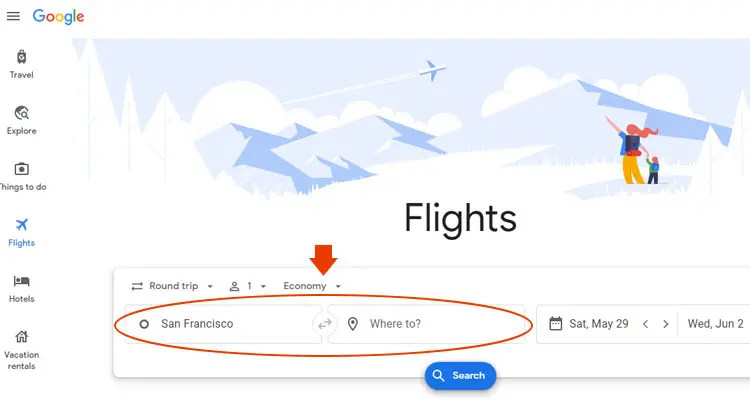
Start your search early and stay flexible. Use Google Flights price tracking to monitor fares over time and get alerts when prices drop on your target routes. Flying on Tuesdays, Wednesdays, and Saturdays is typically cheaper than flying on Fridays or Sundays. Booking at least six to eight weeks in advance for domestic flights and three to six months out for international travel tends to yield the best rates.
If you are open to a road trip instead, that flexibility can save you hundreds of dollars and often creates a richer family experience. The journey itself becomes part of the adventure, with spontaneous stops at roadside attractions, state parks, and local diners that you would never discover if you were flying over.

Find Family-Friendly Accommodations That Don’t Break the Bank
Accommodations for families can get expensive fast, especially in popular destinations where you need two hotel rooms or a large suite. Here are a few strategies that experienced budget travelers rely on.
Vacation rentals through platforms like Airbnb family-friendly homes often provide significantly more space than a hotel room at a lower per-night cost when you account for the number of guests. A home with a kitchen also saves money on meals, since you can cook breakfast and pack lunches instead of eating out for every meal.
Another underused option is staying at state park lodges and campgrounds. Many state parks across the U.S. offer comfortable cabins with kitchen facilities at remarkably affordable nightly rates. Some campgrounds even have glamping-style options that give you the outdoor experience with a few extra comforts. Check your state’s park system website for availability and current rates.
If you prefer a hotel, look for properties that include free breakfast, a kitchenette, and an indoor pool. These amenities add real value for families and can reduce what you spend on food and entertainment during your stay.

Eat Well Without Spending a Fortune
Food is one of the easiest areas to overspend on vacation, but it’s also one of the easiest to control with a little planning. Eating out for every meal as a family of four can easily cost $150 or more per day in a mid-range city. Here’s how to keep food costs reasonable without sacrificing the experience.
Grocery stores and local markets are your best friends on a budget trip. Stocking up on breakfast items, snacks, and sandwich ingredients can eliminate two meals a day from your restaurant spending. Eating out for dinner only: one meal instead of three: can cut your daily food costs by half or more.
When you do eat out, look for local spots rather than tourist-area restaurants. A taqueria in a residential neighborhood, a food truck near a local park, or a family-owned diner off the main strip will almost always offer better food at a lower price than the chain restaurants clustered near major attractions. Apps like Yelp and Google Maps make it easy to filter by price range and find well-reviewed, budget-friendly spots near wherever you are staying.

Fill Your Days with Free and Low-Cost Activities
One of the biggest myths about family travel is that you need expensive theme parks and ticketed attractions to keep kids entertained. In reality, some of the most engaging and memorable family experiences cost very little or nothing at all.
Beaches, hiking trails, playgrounds, farmer’s markets, public festivals, free museum days, and local parks are all excellent options. Many cities offer free museum admission on specific days of the week or month. The Smithsonian Institution museums in Washington D.C. are completely free year-round and offer world-class exhibits that both kids and adults find genuinely fascinating.
If your children are older, involving them in the trip planning process can be a fun activity in itself. Let each family member choose one activity they really want to do, then plan the rest of the itinerary around free or low-cost options. This approach ensures everyone feels included and excited while keeping the budget firmly under control.

Use Points, Miles, and Travel Rewards Strategically
If you haven’t already, now is a great time to start using a travel rewards credit card for your everyday spending. Points and miles can dramatically reduce the cost of flights, hotels, and even car rentals. Many cards offer generous sign-up bonuses worth hundreds of dollars in travel value when you meet the minimum spending requirement in the first few months.
Programs like Expedia Rewards let you earn points on hotels, flights, and vacation packages that can be redeemed for future travel. Similarly, airline frequent flyer programs allow you to accumulate miles over time that can be used for free or discounted flights for the whole family.
The key is to pay off your balance in full each month so that interest charges don’t eat up your rewards. Used responsibly, travel rewards are one of the most effective tools available for families who want to travel more and spend less.
Plan Ahead, but Leave Room for Flexibility
The best family vacations on a budget combine solid advance planning with a willingness to adapt. Booking accommodations and transportation early locks in the best prices and availability, especially during school breaks and summer. But leaving a day or two unscheduled gives you the freedom to follow a local’s recommendation, revisit a spot the whole family loved, or simply rest without feeling rushed.
Travel insurance is also worth including in your overall budget. Unexpected cancellations due to illness or weather can cost far more than the policy itself. Look for policies that cover trip cancellation, medical emergencies, and lost luggage. The U.S. Travel Insurance Association consumer guide is a reliable resource for understanding your options and comparing providers.
The Bottom Line
Family vacations on a budget are about making smart choices before and during your trip: not about cutting corners on fun. When you research your destination carefully, book strategically, keep food costs in check, and lean into free experiences, you create a vacation that feels rich in every way that matters. The goal is to come home with great memories and a bank account you’re still comfortable with. With the strategies in this guide, that combination is absolutely within reach for any family willing to plan ahead.