 By Elois da Costa
Road trips should be about adventure, discovery, and freedom. But let’s be honest: nothing kills the excitement faster than sitting in unexpected traffic, missing a turn on a confusing highway, or realizing you’ve added two extra hours to your journey because you didn’t account for construction zones. If you’ve ever felt that knot of frustration tightening in your stomach as your GPS recalculates for the third time, you’re not alone.
The good news? Planning your route strategically before you hit the road can eliminate most of these headaches. When you use a better route planner, you’re not just getting directions from Point A to Point B. You’re giving yourself the gift of control, flexibility, and peace of mind. Let’s explore how smarter route planning can transform your travel experience from stressful to seamless.
Why Your Basic GPS App Isn’t Enough
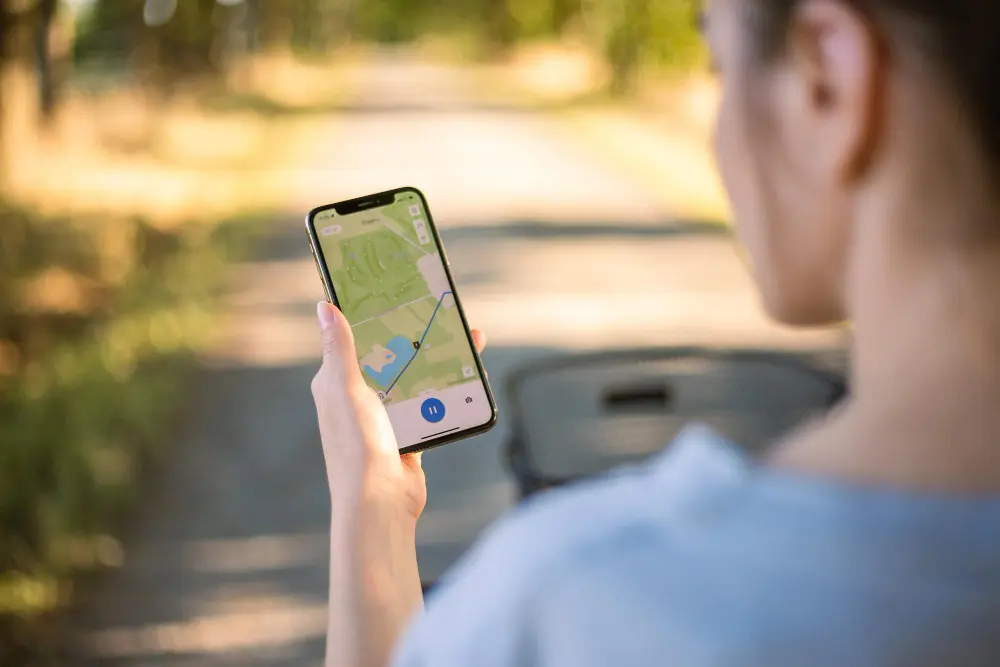
Most of us rely on our phone’s default navigation app, and to be fair, it works perfectly fine for getting to the grocery store or your friend’s house across town. But when you’re planning a multi-day road trip through unfamiliar territory, basic turn-by-turn directions fall short.
Standard GPS apps typically focus on the fastest route right now, without considering your specific needs. They don’t account for scenic detours you might want to take, places you’d like to stop for lunch, or the fact that you absolutely need to avoid toll roads because you’re on a budget. According to research from the American Automobile Association, poor route planning is one of the leading causes of travel delays and increased stress among road trippers.
This is where a better route planner becomes invaluable. These tools allow you to customize your journey based on what matters most to you, whether that’s minimizing highway driving, avoiding busy urban centers, or building in breaks every two hours so you don’t arrive exhausted.
The Real Cost of Poor Planning
Time is precious when you’re traveling. Every hour you spend lost or stuck in avoidable traffic is an hour you could be exploring your destination, relaxing at your hotel, or enjoying a meal at that restaurant you’ve been excited to try.
But the impact goes beyond just time. Stress affects your entire travel experience. When you’re constantly worried about whether you’re on the right road or how much longer this detour will take, you can’t fully enjoy the journey. Your passengers pick up on that tension. Conversations become shorter. The playlist that started so promisingly gets turned down or off entirely. What should be a fun memory-making experience becomes an endurance test.
| Impact Category | Without Route Planning | With A Better Route Planner | Potential Savings |
|---|---|---|---|
| Time Lost | 3-5 hours per 1,000-mile trip due to wrong turns, traffic, inefficient stops | Optimized routes save 4-6 hours on week-long trips | Up to 6 hours recovered |
| Fuel Costs | 15-30% higher consumption from inefficient routing (per U.S. Department of Energy) | Optimized fuel efficiency through strategic routing | $45-90 on a typical road trip |
| Stress Levels | High anxiety from uncertainty, missed turns, unexpected delays | Reduced stress through preparation and clear expectations | Significantly improved trip satisfaction |
| Missed Experiences | Rush past attractions or skip planned stops due to time pressure | Adequate time built in for all desired activities | 2-4 additional stops possible |
| Emergency Stops | Unplanned expensive stops (overpriced gas stations, last-minute hotels) | Strategic stops at vetted, budget-friendly locations | $50-150 per trip |
| Vehicle Wear | Increased wear from stop-and-go traffic and inefficient routes | Smoother driving with fewer sudden stops | Extended vehicle life |
Financial costs add up quickly. Poor routing can lead to unnecessary fuel consumption, and studies from the Federal Highway Administration confirm that route inefficiency significantly impacts travel budgets. That’s money that could go toward better accommodations through booking platforms like Expedia, memorable experiences, or souvenirs.
The hidden costs are equally significant. Arriving exhausted at your destination means you’ll need recovery time instead of immediately enjoying your vacation. Family tensions from stressful drives can affect the entire trip’s mood. These intangible costs don’t show up on receipts, but they absolutely impact your overall travel experience.
What Makes A Better Route Planner Different
The key difference between basic navigation and a better route planner lies in customization and comprehensive planning. These advanced tools let you:
See Your Entire Journey at Once: Instead of just the next turn, you get a bird’s eye view of your complete route. This helps you understand the big picture, identify potential problem areas, and make informed decisions about timing and stops.
Add Multiple Stops Efficiently: Planning to visit three national parks, stop at a famous diner, and check out a roadside attraction? A better route planner optimizes the order of your stops to minimize backtracking and wasted time. Google Maps and similar platforms allow up to ten waypoints, but specialized route planners can handle even more complex itineraries.
Account for Real-World Variables: These tools factor in current traffic conditions, weather impacts, road closures, and even seasonal variations. Driving through mountain passes in winter? Your route planner can suggest safer alternatives or alert you to chain requirements.
Customize Based on Your Preferences: Prefer scenic routes over highways? Want to avoid certain states or regions? Need to find EV charging stations along the way? Advanced route planners accommodate these specific requirements.
How Route Planning Saves You Time
Let’s talk specifics. Imagine you’re planning a road trip from Chicago to Denver, roughly 1,000 miles. The default route might suggest straight highways all the way, estimating about 15 hours of drive time. But what if there’s construction on I-80 that adds 90 minutes of stop-and-go traffic? What if you didn’t realize you’d be hitting Kansas City during rush hour?
When you use a better route planner and spend 20 minutes reviewing your options before departure, you might discover:
An alternate route that adds only 30 minutes to the total distance but avoids three major traffic bottlenecks, actually saving you an hour overall. A rest stop with good reviews that’s perfectly positioned at your four-hour mark, rather than stopping randomly and ending up at a cramped, dirty facility. A scenic detour through a state park that adds just 15 minutes but turns a boring stretch of highway into a highlight of your trip.
These small optimizations compound. Over a week-long road trip, smart route planning can easily save you 4-6 hours of total travel time. That’s half a day you get back to actually enjoy your vacation.

Reducing Stress Through Preparation
Knowledge is comfort. When you know exactly what to expect on your route, anxiety drops dramatically. You’re not wondering if that GPS recalculation means you’re lost. You’re not surprised by sudden toll booths. You’re not frantically searching for gas stations in remote areas.
A comprehensive route plan answers questions before they become problems:
Where are the best places to refuel? How long will each driving segment take? What’s the backup plan if road conditions change? Are there overnight options if you’re running behind schedule?
Many travelers find it helpful to review their route the night before, visualizing the journey and mentally preparing for different segments. This creates a sense of familiarity even with roads you’ve never driven before. Travel experts at Expedia consistently recommend this practice as a way to reduce first-day jitters and start your trip with confidence.
Essential Features to Look For
Not all route planning tools are created equal. When evaluating options, prioritize these capabilities:
Real-Time Updates: Traffic conditions change constantly. Your planner should access current data and suggest alternatives when problems arise. This feature alone can save you from hours of gridlock.
Offline Functionality: Cell service can be spotty in rural areas. Download your route in advance so you’re never left stranded without guidance. This is especially critical for trips through national parks or remote regions.
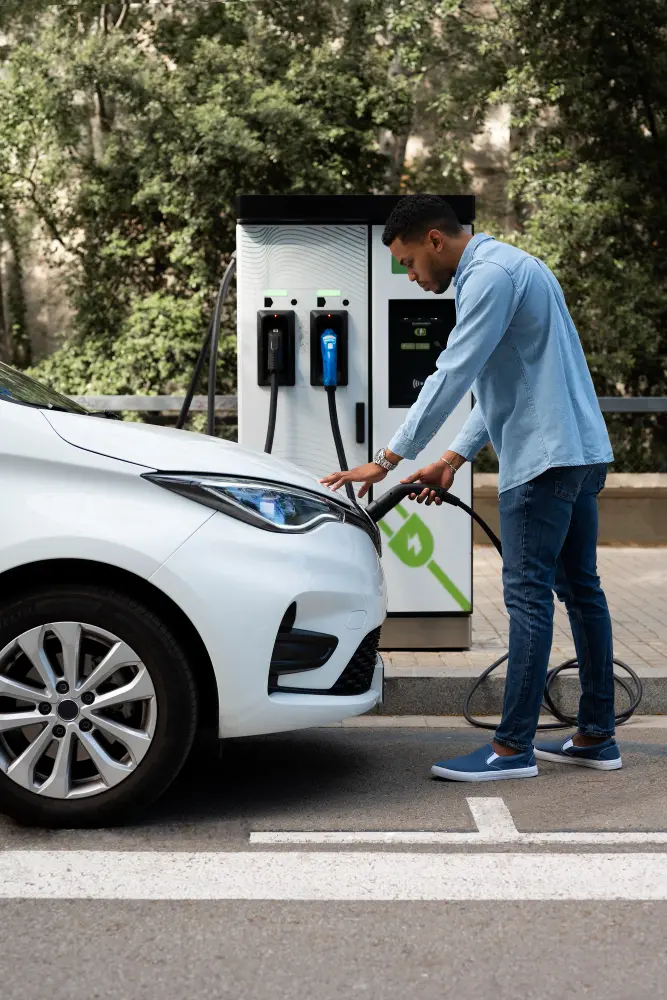
Integration with Your Travel Style: If you’re driving an electric vehicle, you need charging station locations. If you’re camping, you want to find campgrounds easily. If you travel with pets, you might want to identify pet-friendly stops. The best route planners accommodate these specialized needs.
Collaboration Options: Traveling with others? Share your route so everyone knows the plan. This is particularly valuable for convoy-style trips where multiple vehicles need to stay coordinated.
Practical Steps to Better Route Planning
Here’s a straightforward process that works for any trip:
Start with Your Endpoints: Enter your starting point and final destination. Note your preferred arrival time and any hard deadlines you need to meet.
Identify Must-See Stops: Add locations you definitely want to visit. These might include specific restaurants, attractions, friends’ houses, or scenic viewpoints you’ve researched.
Consider Your Driving Limits: Be realistic about how many hours you can comfortably drive in a day. For most people, 6-8 hours is the sweet spot before fatigue becomes dangerous. The National Highway Traffic Safety Administration provides guidelines on driver fatigue and recommended break intervals.
Build in Flexibility: Don’t schedule every minute. Leave buffer time for unexpected discoveries, longer-than-planned stops, or simply taking a break when you need one.
Review Alternatives: Look at 2-3 different routing options. Sometimes the “fastest” route isn’t the best choice when you consider scenery, road quality, or interesting stops along the way.
Check Recent Reviews: Before committing to specific stops or routes, skim recent traveler reviews. Road conditions and business hours change. A five-minute check can save you from arriving at a closed attraction or choosing a rest area that’s currently under construction.

Technology That Makes It Work
The evolution of route planning technology has been remarkable. Modern tools combine GPS data, crowd-sourced traffic information, satellite imagery, and artificial intelligence to provide incredibly accurate predictions and suggestions.
Apps like Roadtrippers, Waze, and specialized tools for RVs or electric vehicles have transformed how we plan journeys. Many of these platforms learn from your preferences over time, getting better at suggesting routes you’ll actually enjoy.
Integration with other travel tools amplifies the benefits. When your route planner connects with your hotel reservations through platforms like Airbnb or your flight bookings, you get a seamless travel experience from door to door.
Real Travelers, Real Results
The proof comes from actual experiences. Travelers who invest time in route planning consistently report:
Fewer missed connections and late arrivals. More opportunities for spontaneous exploration within a structured framework. Reduced travel costs from optimized fuel consumption and strategic stop selection. Better overall trip satisfaction scores.
One often-overlooked benefit: a better route planner helps you remember your trip more vividly. When you’ve thoughtfully chosen your stops and routes, each segment becomes a distinct chapter in your travel story rather than a blur of highways and exits.
Making It Part of Your Routine
The beautiful thing about route planning is that it gets easier with practice. Your first detailed route might take an hour to plan properly. By your third or fourth trip, you’ll be able to create a comprehensive plan in 20 minutes because you understand what to look for and which factors matter most.
Start keeping notes about what worked well on each trip. Which routes exceeded expectations? Which stops were worth the detour? Which tools provided the most accurate information? This personal knowledge base becomes invaluable for future planning.
Your Journey Starts Before the Road
Travel should energize you, not exhaust you. When you use a better route planner, you’re taking control of one of the most controllable aspects of your journey. You can’t predict every variable, but you can stack the odds dramatically in your favor.
The 20-30 minutes you spend planning your route will repay you many times over in saved time, reduced stress, and enhanced enjoyment. You’ll arrive at destinations refreshed rather than frazzled. You’ll have stories about the quirky diner you found instead of complaints about the traffic you sat through.
Smart travelers know that the journey matters as much as the destination. Make yours count. Plan better, travel smarter, and enjoy every mile.