 By Elois da Costa
If you are wondering how to plan a trip to europe, the best approach is to follow a clear step by step process that covers budget, destinations, transportation, documents, and daily planning. Europe is one of the easiest regions in the world to travel, but without proper planning you can overspend, miss important reservations, or feel overwhelmed by too many choices. This guide explains exactly how to plan a trip to europe from the first idea to the day you leave, with practical tips for beginners who want everything to go smoothly.

Step 1: Decide When to Travel to Europe
The first decision when learning how to plan a trip to europe is choosing the right season. Europe changes a lot depending on the time of year, and prices can vary dramatically.
High season (June to August)
Best weather, long days, and many festivals, but flights and hotels are expensive and cities are crowded.
Shoulder season (April to May, September to October)
Great balance of weather and price. Many experienced travelers prefer these months.
Low season (November to March)
Cheaper flights and fewer tourists, but colder weather and shorter daylight hours.
Before booking anything, check average weather and tourism trends using resources like the
European climate overview from the European Environment Agency.
Choosing the right season makes the rest of the planning much easier.
Step 2: Set Your Budget Early
A realistic budget is essential when learning how to plan a trip to europe. Europe can be affordable or expensive depending on the countries you visit.
Typical daily budget per person:
- Budget travel: 70 to 120 USD per day
- Mid range travel: 150 to 250 USD per day
- Luxury travel: 300 USD or more per day
Your budget should include:
- Flights
- Hotels or Airbnb
- Trains or flights inside Europe
- Food
- Attractions
- Travel insurance
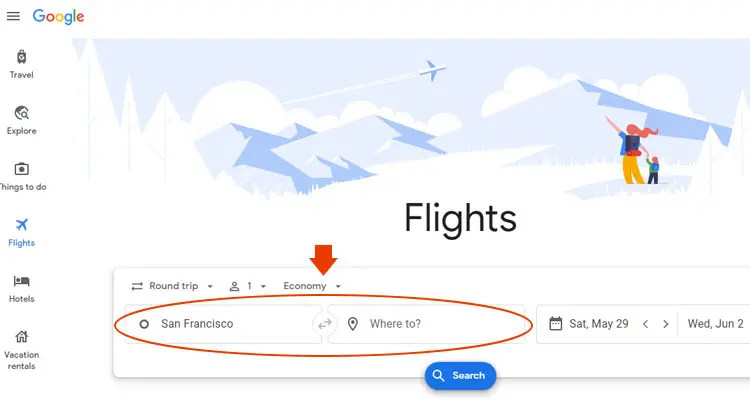
Use price comparison tools like
Google Flights price search
to estimate airfare before choosing destinations.
Knowing your budget helps you decide how many countries you can visit without rushing.
Step 3: Choose the Countries and Cities
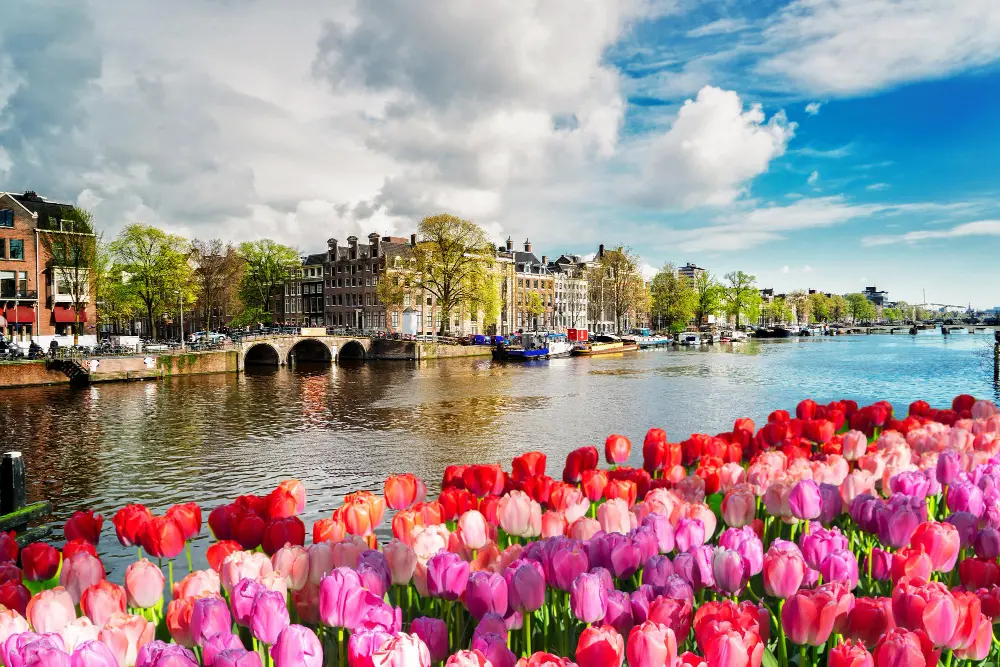
One of the biggest mistakes beginners make when learning how to plan a trip to europe is trying to visit too many places.
Europe looks small on the map, but travel between cities takes time.
Good first trip combinations:
- France, Italy, Spain
- Germany, Austria, Switzerland
- Netherlands, Belgium, France
- Italy only (great for first timers)
- Spain and Portugal
A good rule is:
- 7 to 10 days = 2 countries max
- 14 days = 3 countries max
- 21 days = 3 to 4 countries
Research destinations using trusted travel sites like
official tourism information from Europe Travel Commission.
Write a list of cities you really want to see, then remove the ones that do not fit your schedule.

Step 4: Check Passport, Visa, and Entry Requirements
This step is very important when learning how to plan a trip to europe, especially if it is your first international trip.
Make sure:
- Your passport is valid for at least 6 months
- You check visa rules for your country
- You understand Schengen rules
Many travelers can visit most of Europe without a visa for short trips, but you must confirm using official sources like the
U.S. State Department travel requirements page.
Also check if travel authorization is required for the year you plan to travel, because rules sometimes change.
Do this step before buying flights.

Step 5: Book Flights at the Right Time
Flights are usually the most expensive part of a European trip, so timing matters.
Best time to book international flights:
- 2 to 5 months before travel
- Earlier for summer
- Earlier for holidays
Tips to save money:
- Fly into one city and leave from another
- Check nearby airports
- Be flexible with dates
Use comparison tools such as
Expedia flight search tools
to find different price options.
If your itinerary includes several countries, open jaw tickets can save money.
Example:
- Arrive in Paris
- Return from Rome
This avoids paying for extra flights later.

Step 6: Plan Transportation Inside Europe
Transportation is a big part of how to plan a trip to europe because distances between cities are short but options are many.
Main options:
Trains
Fast, comfortable, and easy.
Check routes using
Eurail train planning guide.
Best for:
- France
- Italy
- Germany
- Switzerland
- Spain
Budget airlines
Cheap for long distances.
Examples:
- Ryanair
- EasyJet
- Vueling
Good for crossing countries quickly.
Rental car
Best for small towns and countryside.
Good for:
- Italy countryside
- Switzerland
- Austria
- Spain rural areas
Choose transportation after you decide your cities.

Step 7: Book Hotels in Advance
Accommodation should be booked early, especially in popular cities.
Options:
- Hotels
- Airbnb
- Hostels
- Boutique hotels
- Guesthouses
Good tips:
- Stay near public transportation
- Stay in city center if possible
- Read reviews carefully
Use trusted platforms like
Airbnb official booking site
to compare prices and locations.
In Europe, location is more important than hotel size.
You will spend most of your time exploring outside.
Step 8: Create a Daily Itinerary Without Overplanning
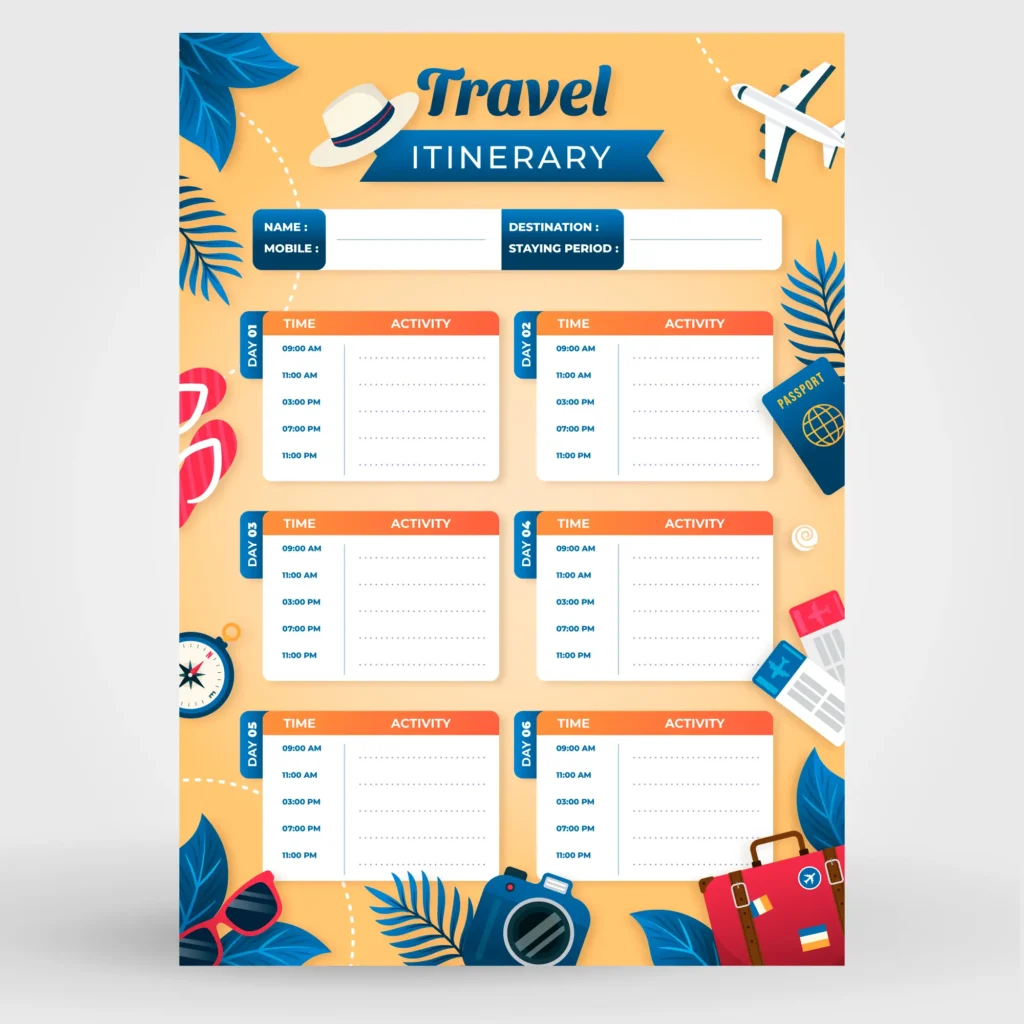
Many beginners think how to plan a trip to europe means planning every minute. That is a mistake.
Instead:
- Choose 2 to 3 main attractions per day
- Leave free time
- Plan walking routes
- Check opening hours
Good itinerary example for Paris:
Day 1
Eiffel Tower, Seine walk, dinner
Day 2
Louvre, Notre Dame area, café
Day 3
Versailles day trip
Planning too much causes stress and fatigue.
Europe trips should feel enjoyable, not rushed.
Step 9: Buy Travel Insurance
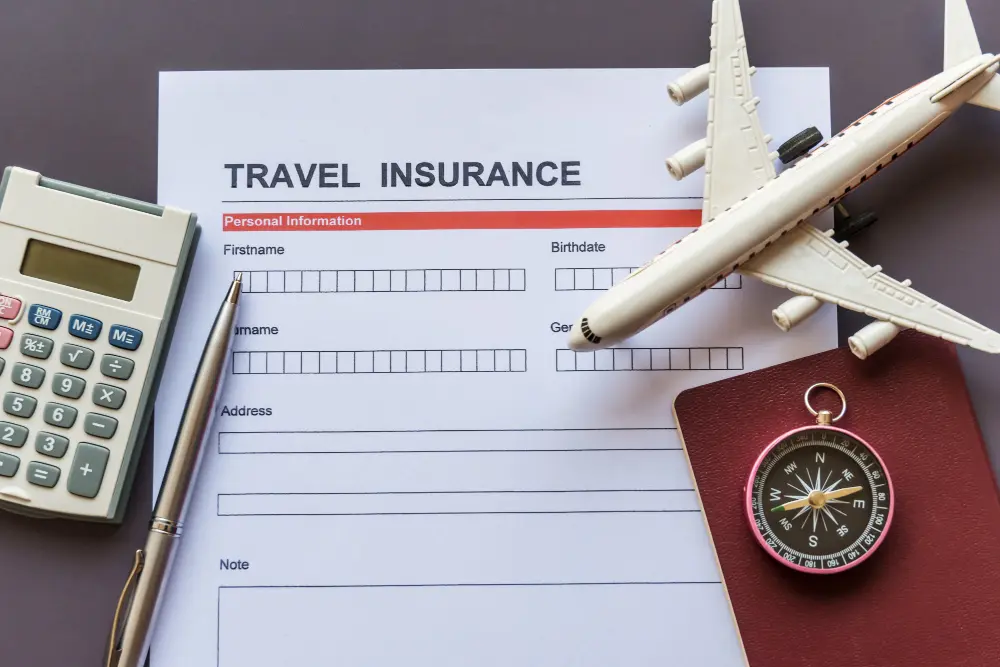
Travel insurance is often ignored, but it is very important when learning how to plan a trip to europe.
Insurance can cover:
- Flight cancellation
- Lost luggage
- Medical emergencies
- Trip delays
Healthcare in Europe can be expensive for tourists.
Compare plans using reputable providers or travel agencies before your trip.
Even a simple policy can save thousands of dollars.
Step 10: Prepare Money, Cards, and Payments
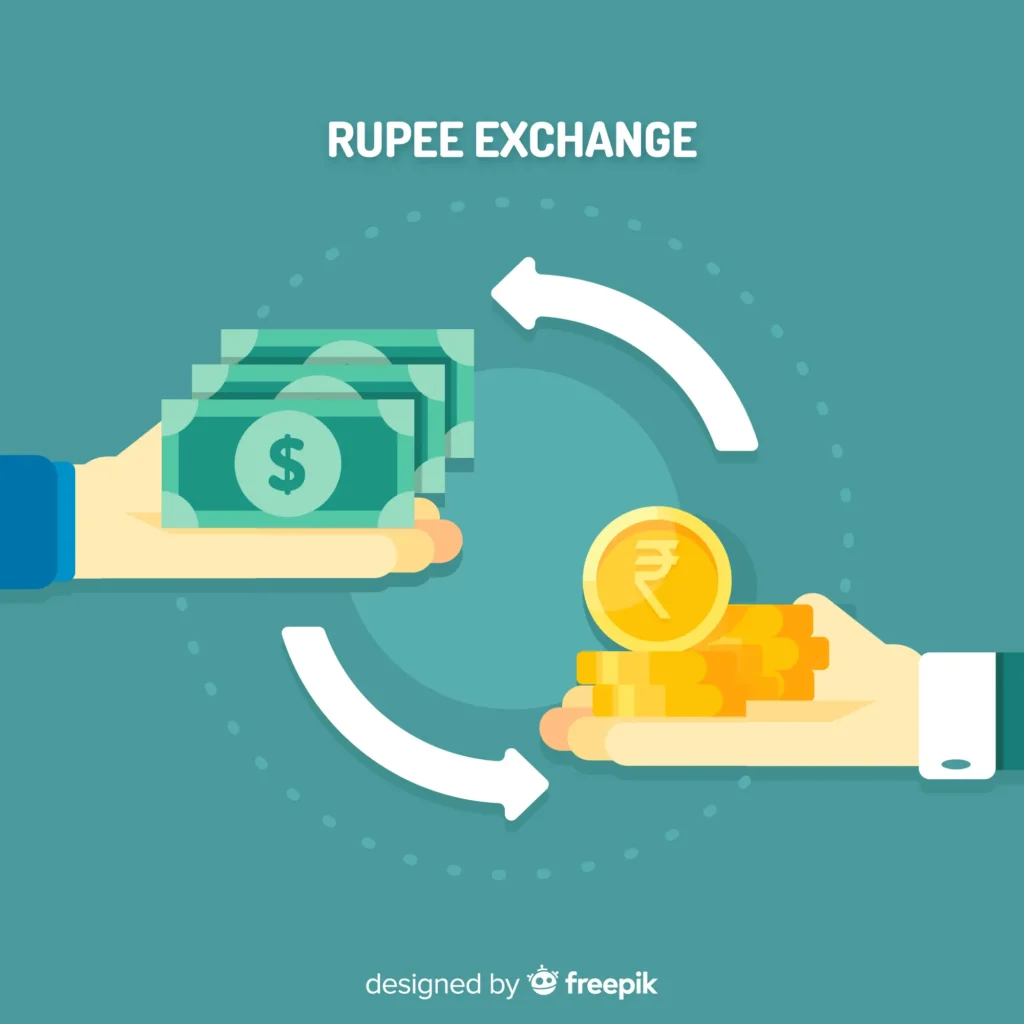
Europe uses different currencies depending on the country.
Most common:
- Euro
- Swiss franc
- British pound
Tips:
- Bring one credit card
- Bring one debit card
- Carry some cash
- Inform your bank before traveling
Avoid exchanging money at airports if possible because rates are higher.
ATMs in Europe usually give better exchange rates.
Step 11: Pack Smart for Europe
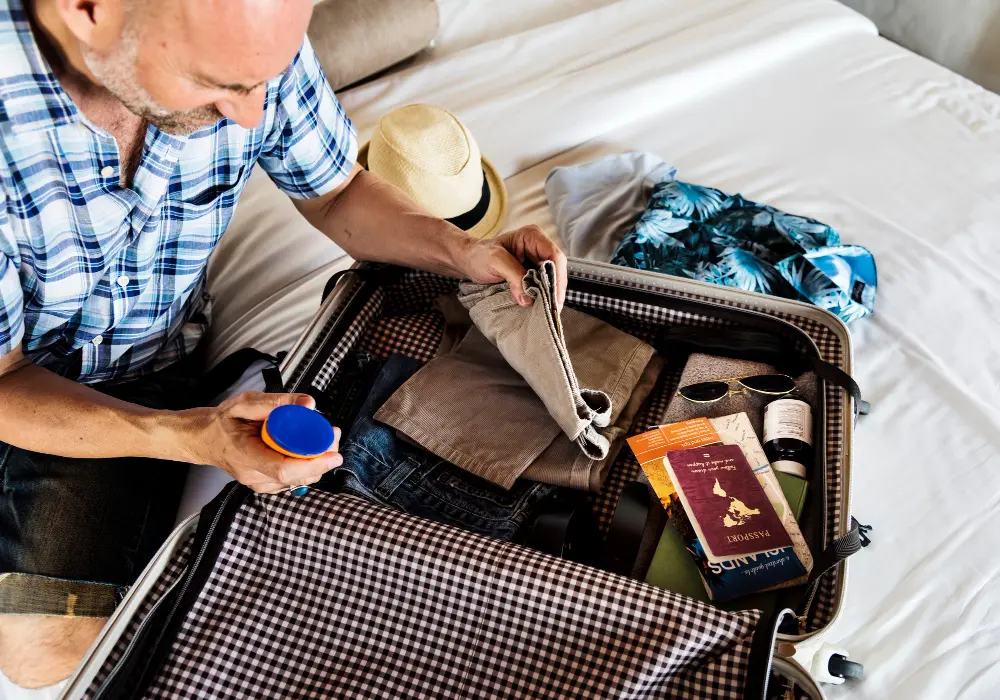
Packing correctly is part of how to plan a trip to europe because you will move between cities often.
Bring:
- Comfortable walking shoes
- Light clothes for layering
- Universal power adapter
- Copies of documents
- Small backpack for day trips
Do not overpack.
European hotels often have small rooms and limited storage.
If your trip includes trains, you will carry your luggage yourself.
Step 12: Learn Basic Travel Tips for Europe
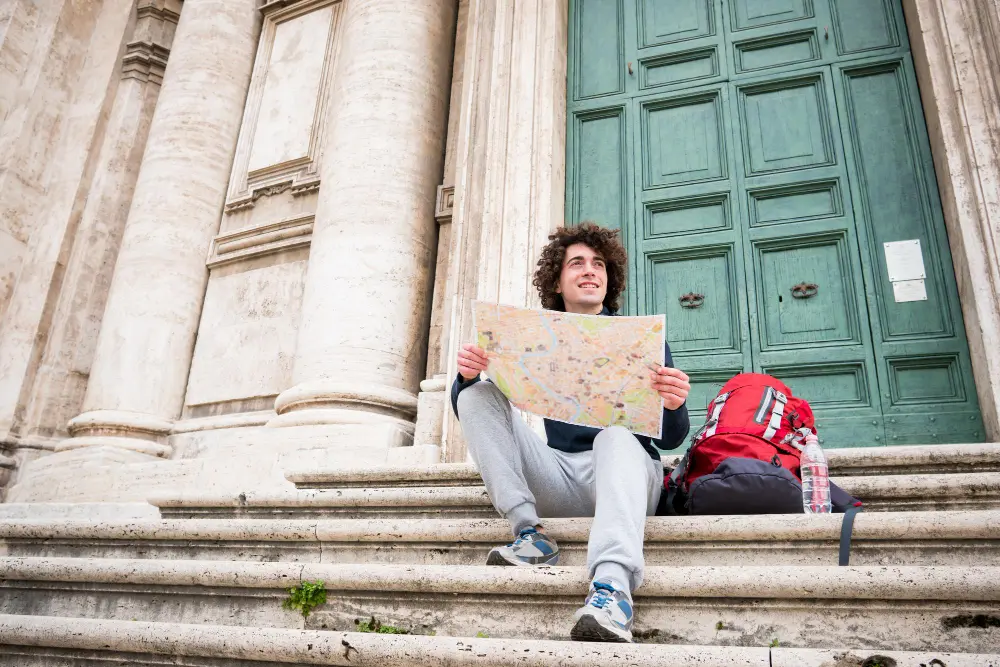
Simple tips that make your trip easier:
- Learn basic phrases in the local language
- Arrive early for trains and flights
- Keep passport secure
- Use offline maps
- Respect local customs
Europe is safe, but pickpocketing happens in tourist areas.
Use common sense and stay aware.

Step 13: Final Checklist Before Departure
Before leaving, confirm:
- Passport valid
- Flights confirmed
- Hotels booked
- Insurance active
- Transportation planned
- Copies of documents saved
- Credit cards working
When everything is ready, your trip will feel exciting instead of stressful.
This is the real goal when learning how to plan a trip to europe.
Good planning gives you freedom to enjoy the trip.
Conclusion
Understanding how to plan a trip to europe is not difficult if you follow the right order: choose dates, set a budget, pick destinations, book flights, reserve hotels, plan transportation, and prepare documents. Europe offers incredible history, culture, food, and landscapes, and with careful planning your first trip can be smooth, organized, and unforgettable. Take your time, research well, and focus on quality instead of trying to see everything at once. The more organized your plan is, the more you will enjoy every moment of your European adventure.