 By Elois da Costa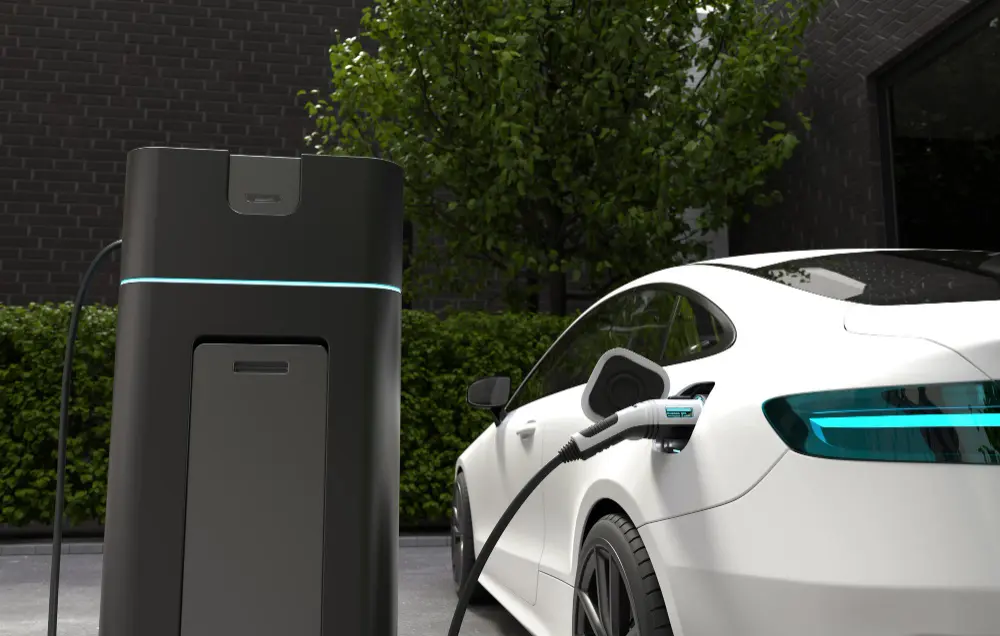
Knowing how to plan a road trip with an electric car comes down to three essentials: mapping your charging stops before you leave, understanding your vehicle’s real-world range, and building a flexible itinerary that works with charging infrastructure along your route. With the right preparation, an EV road trip is not just doable, it’s one of the most enjoyable ways to explore the country.
Why Electric Road Trips Are Worth It
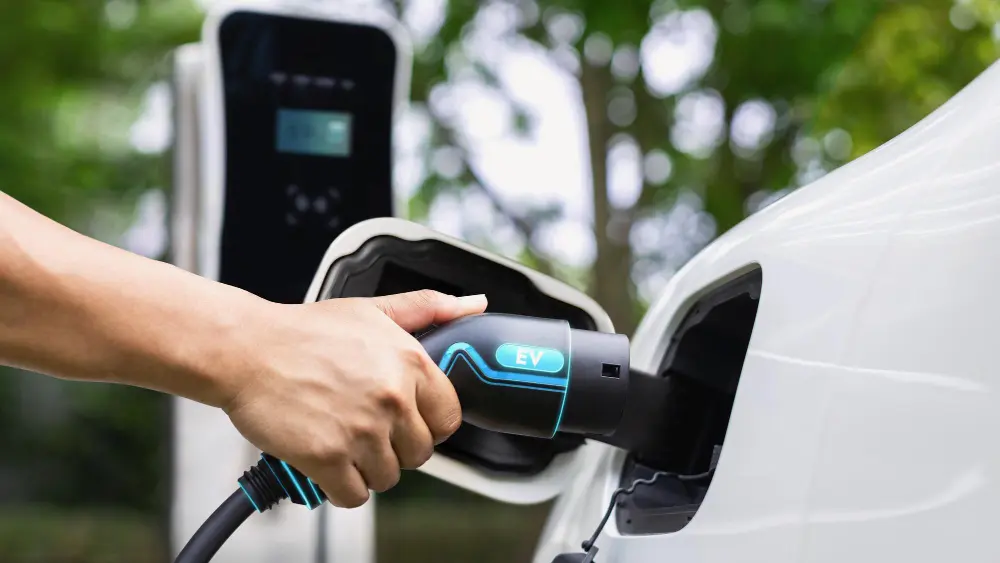
Electric vehicles have gone from novelty to mainstream travel companion faster than most people expected. As of 2024, there are over 170,000 public charging ports across the United States, according to the U.S. Department of Energy’s Alternative Fuels Data Center, and that number keeps growing. Charging networks now cover nearly every major highway corridor, which means the fear of getting stranded with a dead battery is much less of a concern than it used to be.
That said, EVs do require a different kind of planning than gas-powered cars. You are not just thinking about where to eat or sleep: you are also thinking about when and where to charge, how long it will take, and how weather or terrain might affect your battery. Once you understand those variables, planning an EV road trip actually becomes a fun part of the experience.
Step 1: Know Your Car’s Real Range Before You Go
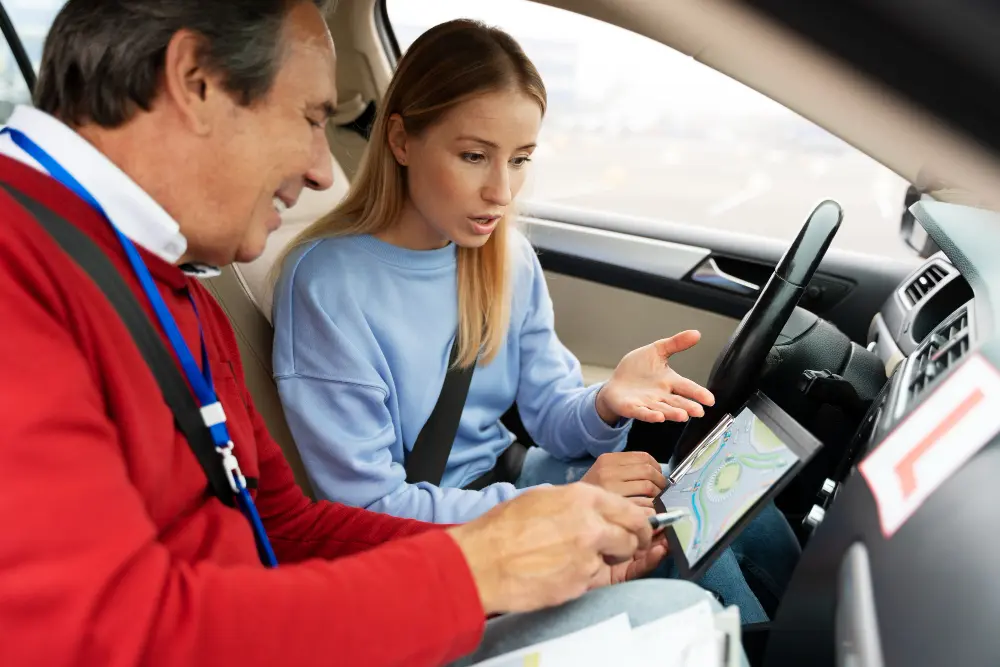
Your vehicle’s EPA-rated range is a starting point, not a guarantee. In real-world conditions, factors like highway speeds, air conditioning, cold weather, and elevation gain can reduce your usable range by 20 to 30 percent.
Before planning any charging stops, take note of your car’s realistic highway range at 70 mph. For most popular EVs, that figure is somewhere between 200 and 280 miles. The PlugShare trip planning tool lets you enter your specific vehicle model and get adjusted range estimates based on driving conditions, which makes it one of the most practical tools for EV travelers.
As a general rule, plan your charging stops so you never drop below 10 to 20 percent battery and never charge past 80 percent during a trip. The last 20 percent of a charge takes significantly longer than the first 80, so stopping at 80 and getting back on the road is almost always faster.
Step 2: Map Your Charging Stops Using the Right Tools
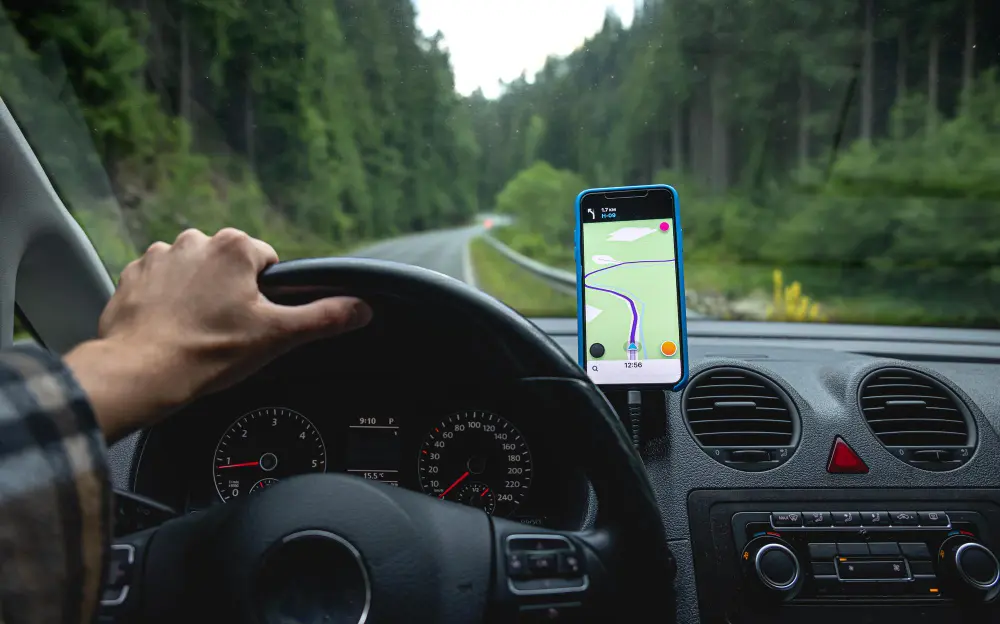
This is the core of learning how to plan a road trip with an electric car. Unlike finding a gas station (which is practically everywhere), DC fast chargers, or Level 3 chargers, are strategically placed but not universal. Here is how to find and plan around them:
Use A Better Route Planner (ABRP). A Better Route Planner is widely considered the gold standard for EV trip planning. You input your vehicle, starting charge level, destination, and driving preferences, and it spits out an optimized route with charging stops calculated into the drive. It even factors in charging speed at each station and gives you a time estimate for each stop.
Cross-reference with PlugShare. PlugShare works like a social network for EV drivers. Real users report working chargers, wait times, and tips about specific locations. Before committing to a charging stop in a remote area, checking PlugShare reviews can save you from arriving at a broken or occupied charger.
Check your automaker’s built-in navigation. Vehicles like the Tesla, Ford F-150 Lightning, and Hyundai Ioniq 5 have native route planning that automatically adds charging stops. These systems are optimized for their own networks (like Tesla’s Supercharger network), so they tend to be very reliable for brand-specific planning.
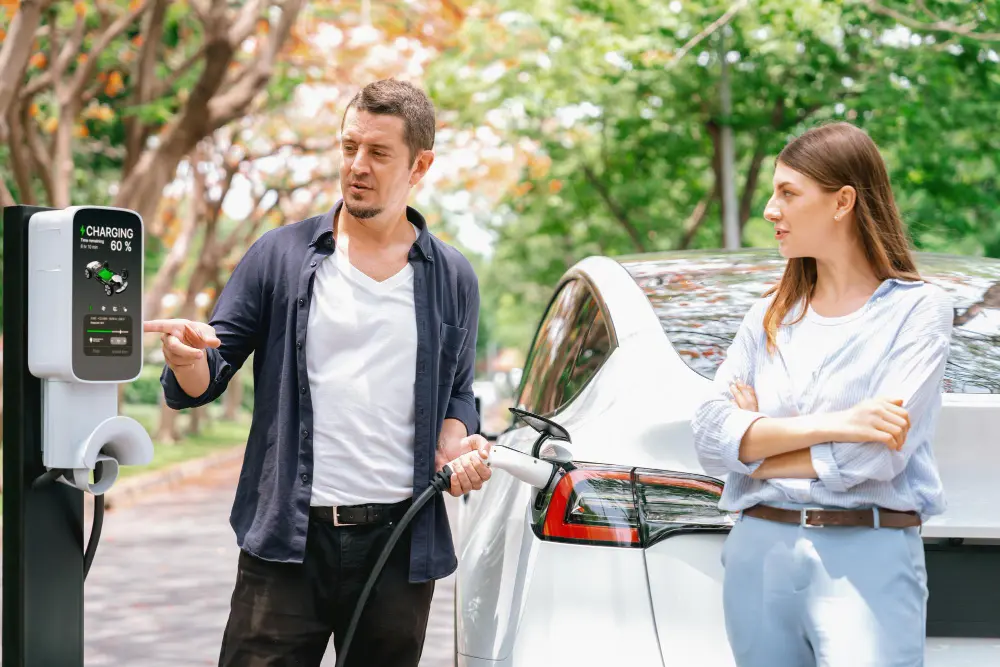
Step 3: Choose Your Route with Charging Infrastructure in Mind
Not all routes are created equal for EV drivers. Major interstates like I-95, I-10, I-40, and I-70 have solid charging coverage, especially near cities and larger towns. Secondary highways and rural back roads are improving, but coverage is still spotty in some regions.
If you are planning a scenic detour through a national park or a rural stretch, check the ChargePoint network map and the Electrify America station locator ahead of time. Both networks have expanded dramatically in recent years and together cover thousands of locations across North America.
Some practical route tips to keep in mind:
- Avoid relying on a single charging network. Having accounts or apps for at least two networks (such as Tesla, Electrify America, EVgo, or ChargePoint) gives you more flexibility if one station is full or out of service.
- Plan charging stops near food, coffee, or attractions. A 20 to 30-minute fast charge is the perfect excuse to grab lunch, stretch your legs, or explore a small town you might otherwise have driven through. Many charging stations are placed near shopping centers, restaurants, and hotels precisely for this reason.
- Budget extra time on your first EV road trip. Even with great planning, you might encounter a longer-than-expected wait or a slower charger than listed. Adding a buffer of 30 to 60 minutes to your overall travel time takes the pressure off.

Step 4: Plan Your Overnight Charging Strategy
One of the best advantages of an EV road trip is waking up to a full battery every morning, as long as you book accommodations with charging access. When searching for hotels, use filters on Expedia’s EV-friendly hotel search or look specifically for properties listed as EV-friendly on Google Hotels.
Many hotels now offer Level 2 charging (240V) in their parking areas, which adds roughly 20 to 30 miles of range per hour overnight. That is more than enough to top up a partial battery while you sleep. Vacation rentals through platforms like Airbnb sometimes offer NEMA 14-50 outlet access as well, which works with most EV travel adapters.
If your hotel does not have EV charging, search for nearby public Level 2 chargers within walking distance. Parking your car at a ChargePoint or Blink station a few blocks away and leaving it overnight is a completely reasonable strategy in most urban areas.

Step 5: Pack Smart for an EV Road Trip
A few accessories make EV travel smoother and more stress-free:
- A J1772 to NEMA adapter kit. This lets you plug into a wider variety of outlets in a pinch, including dryer outlets and RV hookups.
- Your charging network apps, downloaded and set up. Do not wait until you are standing in a parking lot to create accounts. Set up ChargePoint, Electrify America, EVgo, and your automaker’s app before you leave.
- An offline version of your route. Cell coverage can be unreliable in rural areas. Screenshot your charging stops or use Google Maps offline mode so you can navigate without data.
According to the U.S. Department of Transportation’s EV travel resources, the combination of route planning and adequate charging stops is the single biggest factor in a successful electric road trip, more than vehicle range alone.
The Mindset Shift That Makes EV Road Trips Great
The key to enjoying an EV road trip is letting go of the gas-station mindset. You are not looking for the fastest possible drive; you are building in natural breaks that happen to coincide with charging. Most experienced EV road trippers say that after their first trip, they actually prefer this rhythm. Stops become part of the adventure rather than interruptions.
Learning how to plan a road trip with an electric car is genuinely approachable, even for first-timers. The tools are better than ever, the infrastructure is expanding rapidly, and the experience of traveling with lower fuel costs and zero tailpipe emissions adds something that a gas-powered road trip simply cannot.
Pick your destination, map your charging stops, and go. The open road is waiting.