 By Elois da Costa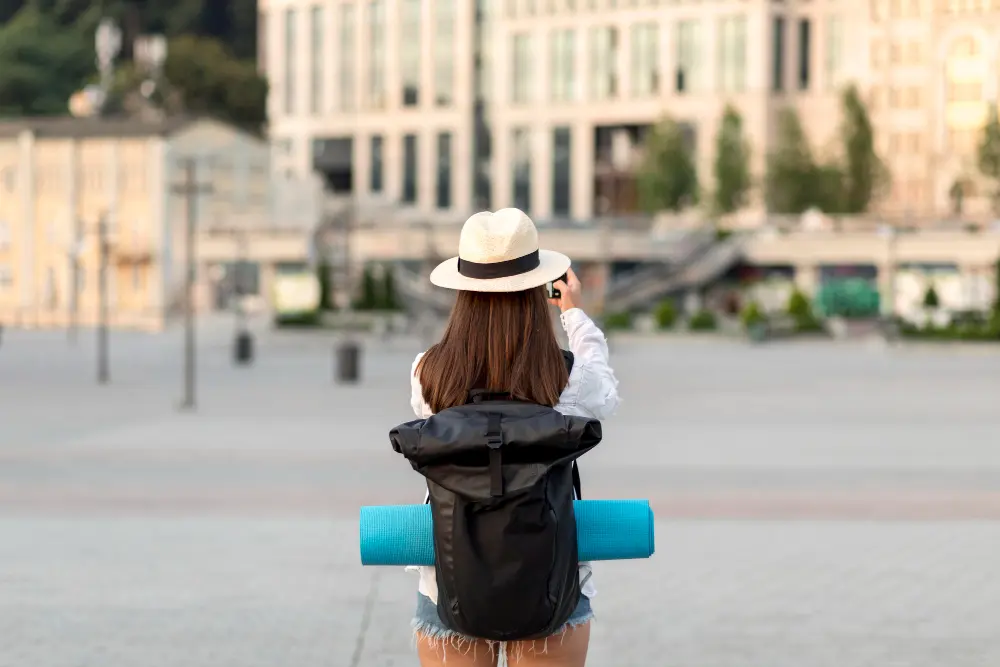
Traveling alone for the first time can bring a mix of emotions: excitement for the adventure, nerves about the unknown, and that persistent question, “Can I really do this?” The answer is a resounding yes. Thousands of travelers take that first step every day, and many end up turning solo travel into their favorite way to explore the world.
If you are thinking about taking the leap but do not know where to start, this guide will help you prepare so your first solo trip is memorable, safe, and truly transformative.
Why Travel Alone? The Benefits No One Talks About
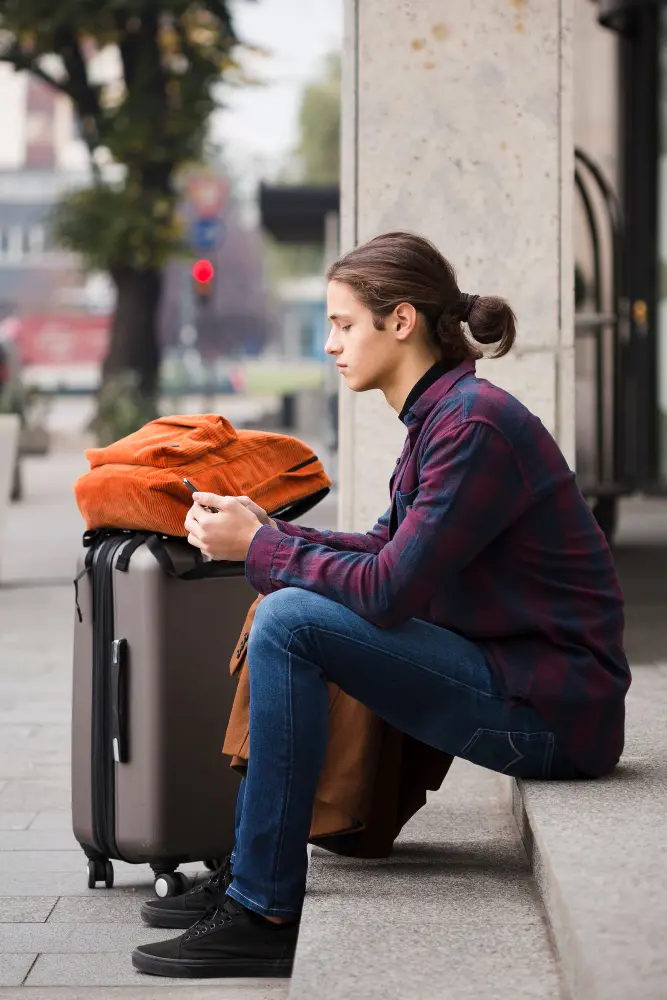
Before diving into practical tips, let’s talk about why so many people fall in love with solo travel. It is not just about doing what you want, when you want, even though that is amazing. Traveling alone allows you to get to know yourself in ways you might not expect.
When you travel with others, decisions are negotiated and plans revolve around multiple interests. When you travel solo, every decision is yours. From where to have breakfast to whether you spend the entire afternoon in a museum or sitting in a park people watching, the choice is completely yours.
Solo travel also pushes you to be more open. Without a built in companion, you are more likely to start conversations with locals and other travelers. Many solo adventurers report meeting more people on their own than when traveling with friends or partners.
Choose the Perfect Destination for Your First Adventure
Not all destinations are equal when it comes to traveling alone for the first time. Some places make the experience easier, while others can feel overwhelming for beginners.
For your first solo trip, look for destinations with well developed tourism infrastructure. That means reliable public transportation, plenty of accommodations, and accessible tourist information.
If you are staying in Mexico, consider cities known for being welcoming and easy to navigate. For international trips, countries like Portugal, Costa Rica, Thailand, and New Zealand are often praised for their safety and traveler friendly environments.
When researching destinations, consult official sources such as the U.S. Department of State travel advisories at https://travel.state.gov for updated safety information. You can also explore global tourism data from the United Nations World Tourism Organization at https://www.unwto.org to better understand popular and emerging destinations.
If you prefer to stay close to home for your first experience, traveling within your own country removes barriers like language and currency, allowing you to focus on the experience of being on your own.
Planning: The Balance Between Preparation and Flexibility
One common mistake first time solo travelers make is overplanning every minute or planning nothing at all. The sweet spot is somewhere in the middle.

What You Should Plan in Advance
Book your accommodation for the first few nights. Arriving in a new place without knowing where you will sleep can add unnecessary stress. Platforms like Booking.com at https://www.booking.com and Airbnb at https://www.airbnb.com make it easy to compare options and read reviews.
Organize your transportation from the airport or station to your accommodation. Knowing exactly how you will get to your hotel provides peace of mind, especially if you arrive at night.
Research local culture and customs. Review health and safety recommendations from trusted sources such as the Centers for Disease Control and Prevention travel health notices at https://wwwnc.cdc.gov/travel.
What You Should Not Overplan
Leave space for spontaneity. Some of the best travel moments happen when you allow yourself to go off script. That hidden restaurant recommended by a local or the walking tour you discover last minute can become a highlight.
Do not fill every day with activities. Solo travel is also about reflection, rest, and simply being present in a new place.
Accommodation: Where to Stay to Maximize Your Experience
Your choice of accommodation can shape your entire solo travel experience.
Hostels are a favorite among solo travelers. They are affordable and designed to encourage social interaction. Many organize communal dinners, tours, and group events. Even if you book a private room, you can still use shared spaces to meet others.
Airbnb stays with local hosts offer a balance between privacy and connection. Renting a room in someone’s home gives you the chance to ask for local recommendations and experience the city from a more authentic perspective.
Boutique hotels are ideal if you value comfort. Look for properties with inviting common areas like rooftop terraces or cozy lounges.
Before booking, read reviews carefully. Pay special attention to feedback from other solo travelers to ensure the atmosphere fits your preferences.
Safety: Smart Practices Without Paranoia
Safety is a legitimate concern, but it should not paralyze you. The key is to take sensible precautions.
Before you travel, make digital copies of important documents such as your passport and insurance policy. Store them securely in the cloud or email.
Share your general itinerary with someone you trust. For official emergency information abroad, review guidance from the U.S. Embassy and Consulates directory at https://www.usembassy.gov.
Invest in comprehensive travel insurance. Companies like Allianz Travel Insurance at https://www.allianztravelinsurance.com provide coverage for medical emergencies, trip interruptions, and lost luggage.
During your trip, trust your instincts. Use reliable transportation services such as Uber at https://www.uber.com or official taxi services. Verify license plates before entering a vehicle.
Avoid excessive alcohol consumption, especially when alone. Stay aware of your surroundings and keep valuables secure.
Connectivity: Stay Connected Without Overspending
Internet access is not just a convenience, it is a safety tool. You will need it for directions, communication, and emergency situations.
Options include international eSIM providers like Airalo at https://www.airalo.com, local SIM cards, and WiFi in hotels and cafes.
Before departure, download offline maps through Google Maps at https://www.google.com/maps so you can navigate without data.
Loneliness vs. Being Alone: Managing Difficult Moments
There will be moments when you feel lonely. That is normal. Prepare strategies to handle those times.
Create a list of solo friendly activities: reading, journaling, listening to podcasts, taking online courses, or learning local phrases.
Join walking tours, cooking classes, or yoga sessions when you want company. Apps like Meetup at https://www.meetup.com can help you find local events and gatherings.
Accept that not every day will be extraordinary. Some days you may need rest, and that is perfectly fine.
Eating Alone: Turn an Awkward Moment Into an Experience
Dining solo can feel intimidating at first. The truth is, most people are too focused on their own meals to notice.
Bring a book or journal. Choose restaurants with bar seating to encourage casual conversation. Visit local food markets where eating alone is common.
Over time, what once felt uncomfortable will become second nature.
Packing: The Art of Traveling Light
When you travel alone, you carry everything yourself. Packing light is essential.
Choose versatile clothing in neutral colors. Follow the 50 percent rule: pack your bag, then remove half of what you included.
Leave room for souvenirs. Bring a small daypack for daily outings.
For official airline baggage policies, check directly with carriers such as Delta Air Lines at https://www.delta.com or American Airlines at https://www.aa.com to avoid unexpected fees.
Money Management: Avoid Running Out of Funds
Carry multiple forms of payment, including at least two cards from different banks and some local currency.
Notify your bank of travel plans to prevent card blocks. Use ATMs located inside banks or shopping centers for added security.
Track your budget, but allow flexibility for special experiences.
Your First Day: Start on the Right Foot
Do not overschedule your first day. Walk around your neighborhood, locate essential services, and take a free walking tour to get oriented.
Eat something local but familiar. Rest if needed. Jet lag is real, and starting exhausted is not ideal.
Language Barriers: Communicating Without Speaking the Language
Not speaking the local language should not stop you from traveling.
Download languages for offline use in Google Translate at https://translate.google.com. Learn basic phrases such as hello, thank you, and where is the bathroom.
A smile and respectful gestures go a long way.
Stay Flexible When Things Go Wrong
Travel rarely goes exactly as planned. Flights get delayed, weather changes, and unexpected events happen.
Always have a backup plan. Maintain a positive attitude and carry small comforts like snacks and a portable charger.
Often, the best travel stories come from moments that did not go perfectly.
When to Say No: Set Your Boundaries
Traveling solo does not mean saying yes to everything. Trust your instincts and decline invitations if you feel uncomfortable.
You do not have to be social every day. Solo travel is about doing what you want, at your own pace.
The Return: Processing Your Experience
Your first solo trip can be life changing. After returning home, organize your photos and reflect on what you learned.
Write about your experience, even if only for yourself. Share your stories with those who appreciate travel.
Chances are, you will start planning your next solo adventure sooner than you think.
Conclusion: Your Adventure Awaits
Traveling alone for the first time may seem intimidating, but it is one of the most rewarding experiences you can have. You do not need to be fearless or wealthy. You only need the willingness to begin.
Book that ticket. Pack that bag. Take the leap.
The best time to start is now.