 By Elois da Costa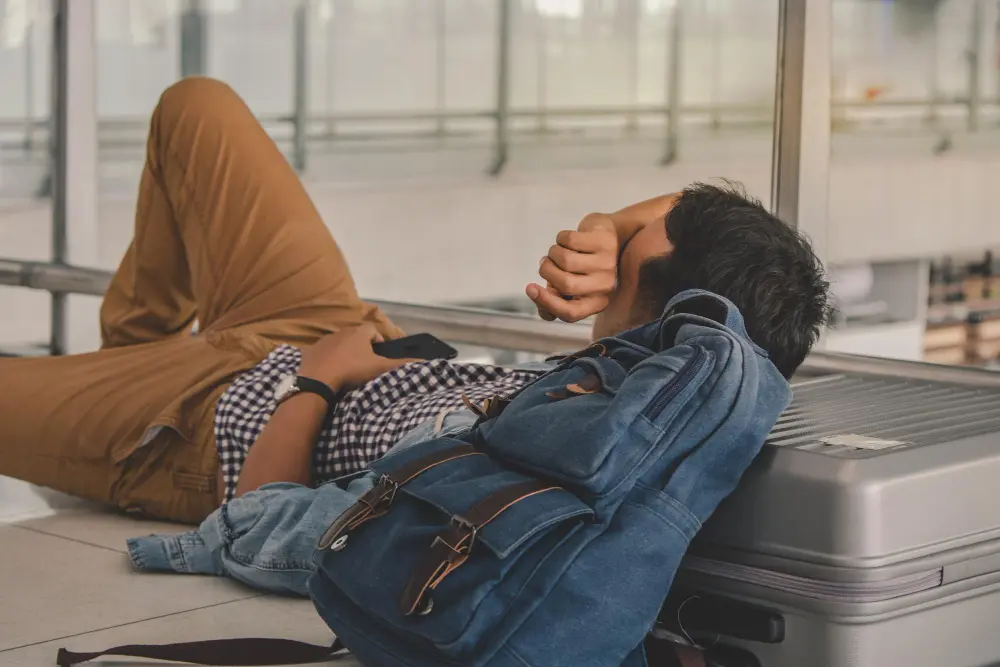
Jet lag is one of the biggest enemies of the modern traveler. You board a plane full of excitement to explore a new destination and land feeling like you were hit by a truck. Your body wants to sleep just as the sun is rising, and when night finally comes, you are wide awake. If you have experienced this, you are not alone. Millions of travelers face this challenge every year.
The good news is that jet lag does not have to ruin the first days of your trip. With the right strategies and a bit of preparation, you can drastically reduce its effects and enjoy your adventure from the moment you land. In this complete guide, I will share everything you need to know to conquer jet lag like a professional traveler.
What Exactly Is Jet Lag and Why Does It Affect You?
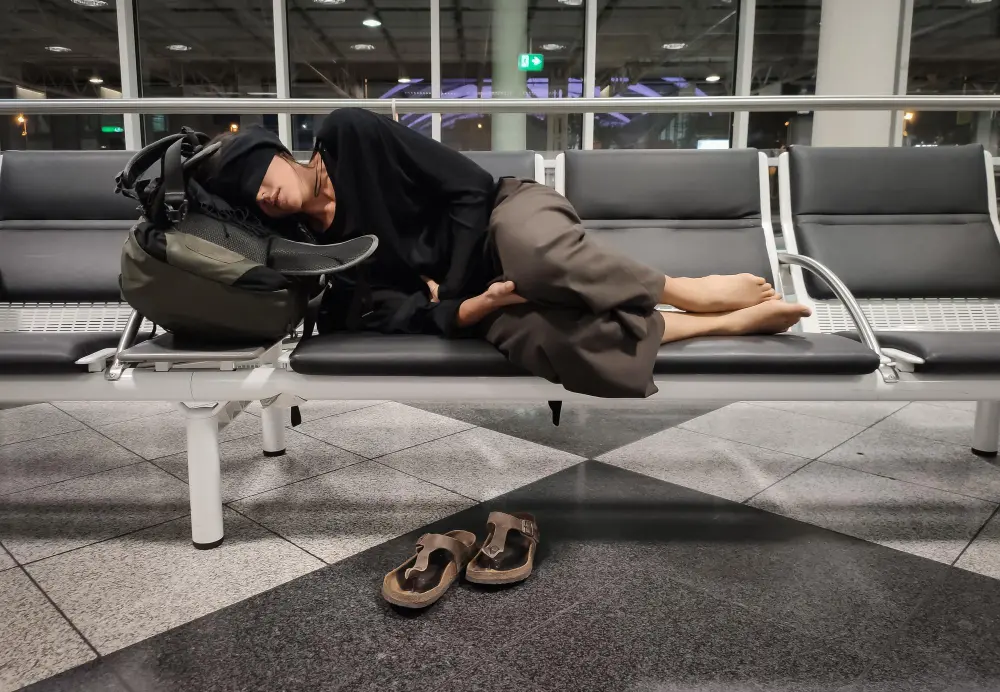
Jet lag, also known as circadian rhythm disruption or time zone change syndrome, is a temporary sleep disorder that occurs when you rapidly cross multiple time zones. Your internal clock, known as your circadian rhythm, continues to operate on the time of your home city, while the world around you follows a completely different schedule.
This biological clock is controlled by a small region in your brain called the suprachiasmatic nucleus, located in the hypothalamus. This “master clock” regulates nearly every system in your body: when you feel sleepy, when you feel hungry, your body temperature, your mood, and even your digestive system. When you travel across multiple time zones, you are essentially forcing this clock to operate out of sync with the environment.
The Symptoms We All Know (and Hate)
Jet lag can show up in different ways, but these are the most common symptoms:
- Extreme daytime fatigue: You feel like a zombie even if it is only 10 a.m.
- Nighttime insomnia: You toss and turn at 2 a.m. unable to fall asleep.
- Difficulty concentrating: Your mind feels foggy and your productivity drops.
- Digestive issues: Constipation, nausea, or loss of appetite.
- Irritability and mood swings: Everything feels more annoying than usual.
- Headaches: A persistent ache that does not go away easily.
The intensity of these symptoms varies from person to person. Some travelers recover in a couple of days, while others may take more than a week to feel completely normal. As a general rule, your body needs about one day of adjustment for each time zone you cross.
Why Is Traveling East More Difficult?
If you have ever noticed that returning from Europe to Mexico feels harder than the trip there, it is not your imagination. Traveling east is objectively more challenging for your body than traveling west.
The reason is fascinating. Our natural biological clock runs on a cycle of about 25 hours, not exactly 24. This means we naturally tend to lengthen our days. When you travel west, such as from Mexico to Japan, you are lengthening your day, which aligns with your body’s natural tendency. But when you travel east, you are forcing your body to shorten the day, which goes against its natural rhythm.
For example, if you fly from Cancun to Madrid, you “lose” seven hours. Your body has to move its internal clock forward, which is much harder than delaying it. It is like trying to fall asleep early when you are wide awake versus staying up a bit later when you are already tired.
Preparation Before the Flight: The Secret of Experienced Travelers
The battle against jet lag does not begin on the plane. It begins several days before your flight. Professional travelers know that preparation is the difference between arriving exhausted or arriving ready to explore.

Adjust Your Schedule Gradually
Three to five days before your trip, start adjusting your sleep and meal schedules toward your destination’s time zone. You do not need drastic changes. Shifts of 30 to 45 minutes per day are manageable and make a noticeable difference.
- If you are traveling east: Go to bed and wake up 30 to 45 minutes earlier each day. If you usually fall asleep at 11 p.m., start going to bed at 10:30 p.m., then 10 p.m., and so on.
- If you are traveling west: Do the opposite. Go to bed 30 to 45 minutes later each night and wake up later accordingly.
Also adjust your meal times. If dinner at your destination is at 8 p.m. and that equals 2 p.m. at home, start shifting your meals in that direction in the days before your trip.
Use Light to Your Advantage
Light is the most powerful synchronizer of your biological clock. It is even more important than meals or exercise. Understanding how to use light strategically can dramatically speed up your adaptation.
- For eastbound travel: Expose yourself to bright light in the mornings before your trip. Go for an early walk, open all the curtains, or consider a light therapy lamp. Avoid bright light in the evenings. Wear sunglasses outside or dim the lights at home after 8 p.m.
- For westbound travel: Do the opposite. Seek bright light in the late afternoon and evening, and limit morning exposure. This tells your body that the day should be longer.
Get Good Sleep the Night Before
It sounds obvious, but many travelers make the mistake of staying up late packing or finishing last minute tasks. If you start your trip sleep deprived, jet lag will hit you much harder.
Try to get at least seven to eight hours of sleep the night before your flight. If you feel anxious and struggle to fall asleep, try relaxation techniques like meditation, deep breathing, or a warm bath before bed.
Hydrate Like Your Life Depends on It
Dehydration significantly worsens jet lag symptoms. Start increasing your water intake 24 to 48 hours before your flight. Avoid alcohol and reduce caffeine during this time. Both dehydrate you and make it harder to adjust your sleep pattern.
Strategically Plan Your First Day
If your schedule and budget allow it, consider arriving one day before any important commitments. This gives you valuable buffer time to start adapting without pressure.
Check what time it will be at your destination when you land. If you arrive in the morning, plan outdoor activities for the afternoon. If you arrive at night, book a light and early dinner. Having a plan helps you avoid the temptation to collapse into your hotel bed at the wrong time.
Strategies During the Flight: Your First Battlefield
The time you spend on the plane is crucial. The choices you make at 35,000 feet can determine how quickly you recover from jet lag.
Adjust Your Mental (and Physical) Clock Immediately
As soon as you board the plane, change your watch and mindset to your destination’s time. If it is 3 p.m. in Mexico but 10 p.m. in Madrid, mentally you are already in Spain. This helps you begin the psychological transition right away.
The In-Flight Sleep Strategy
Here is the dilemma: should you sleep on the plane or not? The answer depends entirely on your arrival time.
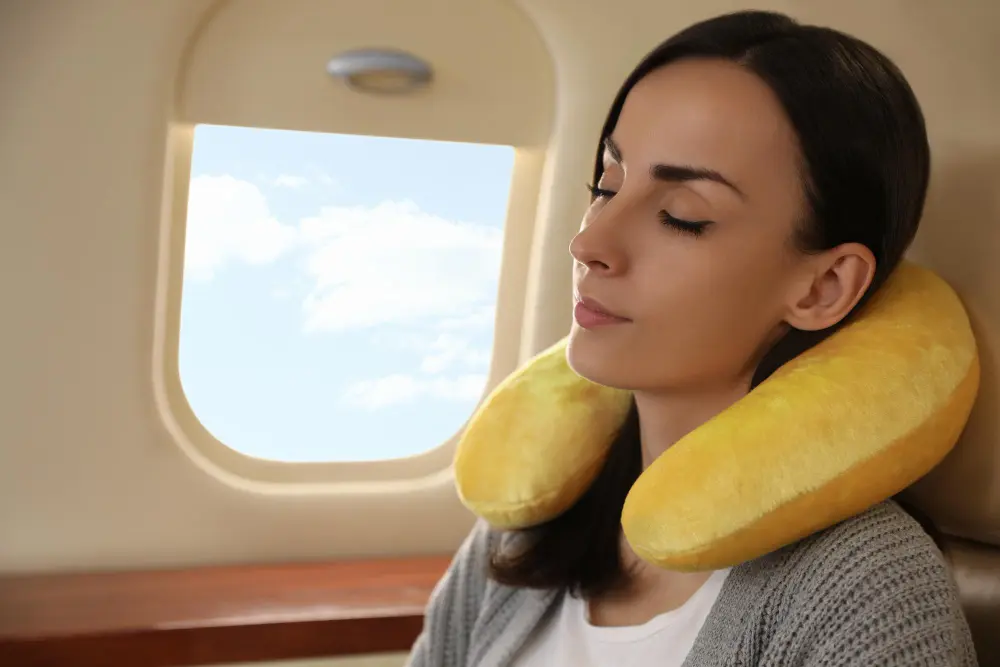
- If you arrive in the morning or early afternoon: Try to sleep as much as possible during the flight. Use earplugs, an eye mask, a travel pillow, anything you need to get at least a few hours of sleep. This will help you arrive with enough energy to stay awake until local bedtime.
- If you arrive at night: Resist the urge to sleep too much on the plane. Take short naps of no more than 20 to 30 minutes if you are truly exhausted, but not longer. You want to arrive tired enough to fall asleep easily at your destination.
Hydration in the Sky
Cabin air is extremely dry. Humidity levels can drop to 10 to 20 percent, compared to the typical 30 to 60 percent indoors. This extreme dryness dehydrates you quickly, worsening fatigue and other jet lag symptoms.
Drink water consistently throughout the flight. A good rule is a few sips every 30 minutes. Avoid alcohol completely. While it may help you fall asleep initially, it reduces sleep quality and increases dehydration. Coffee is a double edged sword. Use it strategically only if you need to stay awake, and do not overdo it.
Move, Stretch, Walk
Sitting in the same position for hours not only increases the risk of deep vein thrombosis, it also makes you feel stiff and sluggish when you land.
Get up and walk down the aisle every 90 minutes. Do simple stretches in your seat: ankle rotations, leg lifts, shoulder rolls. Some airports even have stretching areas or small gyms. Use them during long layovers.
Eat Smart
Airplane food does not have the best reputation, but this is more about timing and quantity than quality. Eat light meals during the flight to avoid feeling bloated and heavy. Avoid very salty or greasy foods that can cause fluid retention and digestive discomfort.
If it is mealtime at your destination, eat even if you are not very hungry. If it is nighttime there, avoid eating. This helps synchronize your digestive system with the new schedule.
Arrival: The First 48 Critical Hours
The first two days at your destination are absolutely crucial. The choices you make during this period determine whether you adapt quickly or spend a week feeling awful.
The Golden Rule: Follow Local Time Immediately
No matter how tired you are, from the moment you land, live according to local time. If you arrive at 8 a.m. but your home clock says 2 a.m., resist the urge to go straight to bed. If you arrive at 11 p.m. but your body thinks it is 5 p.m., go to bed anyway.
This is often the hardest part, but it is essential. Your body needs clear, consistent signals about the new schedule, and those signals come from your actions.
Get Sunlight Immediately
Natural sunlight exposure is your most powerful weapon against jet lag. Within the first few hours of arrival, spend at least 30 to 60 minutes outside in the sun. Bright natural light tells your brain “this is daytime” in a way artificial light cannot match.
If you arrive in the morning, go for a walk, sit at an outdoor cafe, explore a nearby park. If you arrive in the afternoon, still get outside before sunset. Early exposure to local light dramatically speeds up adaptation.
The Nap Strategy
Naps are a gray area. On one hand, if you are completely exhausted, a nap can save you from misery. On the other hand, a long nap can ruin your ability to sleep that night.
The key is timing and duration:
- If you need rest: Limit naps to 20 to 30 minutes
- Best time: Between 1 p.m. and 3 p.m. local time
- Set an alarm: Do not rely on waking up naturally
- Emergency naps only: Avoid naps if you can push through
If you feel like you might collapse, a short nap is better than sleeping for hours. Just do it strategically.
Stay Active and Social
Physical movement and social interaction are incredibly effective at fighting sleepiness. When you are active and engaged with others, your brain is too stimulated to fall asleep.
Plan light activities for your first day. Walk around the city, visit a local market, meet friends. Avoid passive activities like movies or long museum visits where you might nod off.
Eat on Local Schedule
Even if you are not hungry, eat at local mealtimes. Your digestive system is another important clock that needs to synchronize. Eat breakfast, lunch, and dinner when locals do.
Choose light, nutritious meals during the first days. Lean proteins, vegetables, fruits, and complex carbohydrates are ideal. Avoid heavy, greasy, or spicy foods that may cause extra digestive discomfort.
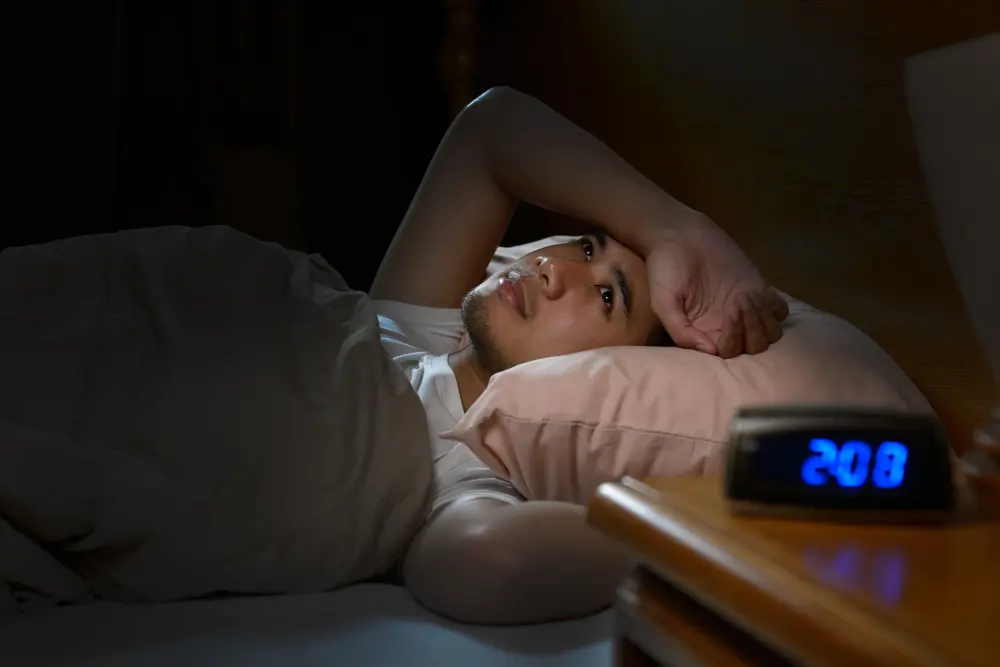
The First Night Is Critical
Go to bed at a reasonable local time, not too early and not too late. If you usually sleep at 10 p.m. at home, aim for 9:30 to 10:30 p.m. at your destination.
Create an optimal sleep environment:
- Keep your room as dark as possible using blackout curtains
- Set the temperature slightly cool
- Use earplugs if there is outside noise
- Avoid screens at least one hour before bed
- Consider melatonin if you have used it before and consult a doctor
If you wake up during the night, do not turn on bright lights or check your phone. Try to fall back asleep in the dark. If you cannot sleep after 30 minutes, get up and do something relaxing with dim light until you feel sleepy again.
Tools and Supplements That Actually Work
Technology and science have come a long way in helping us fight jet lag. Here are the most effective tools and supplements based on scientific evidence.
Melatonin: The Most Studied Supplement
Melatonin is a hormone your body naturally produces to regulate sleep. Melatonin supplements can help you fall asleep and adjust your internal clock more quickly.
Scientific research shows that melatonin is particularly effective at preventing or reducing jet lag, especially when crossing five or more time zones eastward. Timing and dosage are critical:
- To adjust your internal clock: Take a low dose of 0.5 to 1 mg at the appropriate time, usually in the afternoon for eastbound travel
- To help you sleep: Take a higher dose of 3 to 5 mg one to two hours before bedtime at your destination
Important note: Melatonin is regulated differently by country. In Mexico it is available over the counter, but in some European countries and in Japan it requires a prescription. Check local regulations before traveling with melatonin.
Jet Lag Apps: Technology to the Rescue
Several excellent apps are designed specifically to combat jet lag using chronobiology principles:
- Timeshifter: Often considered the best option. It creates a personalized plan based on your chronotype, sleep habits, and itinerary. It tells you exactly when to seek light, avoid it, use caffeine, or consider melatonin.
- Jet Lag Rooster: A solid free option that provides personalized plans. Enter your current location, destination, and flight times to receive a detailed light exposure schedule.
- Entrain: Developed by researchers at the University of Michigan, it uses mathematical models to optimize circadian adjustment.
These apps are not magic, but they remove the guesswork and let science guide your actions.
Blue Light Blocking Glasses
Blue light from screens and artificial lighting suppresses melatonin production, making it harder to feel sleepy when you want to sleep.
Wearing blue light blocking glasses in the hours before bedtime can help significantly, especially if you need to use your phone or laptop. They are also useful during flights if you want to sleep but still need to use screens.
Jet Lag Survival Kit
Here is your checklist of essential items to fight jet lag:
- High quality earplugs
- Comfortable, opaque sleep mask
- Supportive travel pillow
- Reusable water bottle
- Melatonin if you choose to use it
- Sunglasses to control light exposure
- Blue light blocking glasses
- Healthy snacks like nuts, dried fruit, protein bars
- Moisturizing skin cream
- Eye drops for dry cabin air
Common Mistakes to Avoid
Even experienced travelers make these mistakes that worsen jet lag:
Mistake #1: Drinking Alcohol on the Plane
That free glass of wine is tempting, but alcohol dehydrates you, reduces sleep quality, and makes jet lag worse. Save it for after you have adjusted.
Mistake #2: Sleeping All Day After Arrival
Arriving exhausted and sleeping all day will leave you wide awake at 2 a.m. and delay adaptation by days.
Mistake #3: Keeping Your Home Schedule on Short Trips
For trips of three days or more, fully adapting to local time is far better than trying to live in two time zones.
Mistake #4: Relying Only on Caffeine
Caffeine gives a temporary boost but does not replace real sleep or adjust your internal clock. Use it strategically and sparingly.
Mistake #5: Staying Inside Your Hotel
Natural light and movement are essential. Get outside, walk, explore, even if you feel tired.
Mistake #6: Ignoring Meals
Skipping meals or eating randomly confuses your body. Eat regularly according to local time to help synchronize your systems.
Special Cases: Frequent Travelers and Unique Situations
Business Travelers With Important Meetings
- Arrive a day early if possible
- Schedule key meetings during your biological peak time
- Do light exercise before meetings
- Avoid heavy meals before presentations
Frequent Travelers
- Maintain consistent sleep habits at home
- Prioritize rest
- Consider supplements under medical supervision
- Monitor long term health with your doctor
Traveling With Children
- Adjust schedules gradually before travel
- Keep them active during the day
- Maintain familiar bedtime routines
- Be patient
- Use pediatric melatonin only under medical advice
The Science Behind It All: Why These Strategies Work
Your circadian rhythm is controlled by about 20,000 neurons in your hypothalamus. These cells receive information mainly from your eyes about light and darkness. Based on that input, they regulate melatonin production and hundreds of bodily processes.
Light is the strongest signal, which is why light based strategies are so effective. Your body also uses meals, physical activity, temperature, and social interaction to adjust its clock. That is why a multifaceted approach works best.
Final Reflection: The Art of Traveling Well
Mastering jet lag is not just about tricks and techniques. It is about respecting your body and understanding that adaptation takes time. Feeling jet lag does not make you weak, and avoiding it does not make you superhuman.
Preparation, consistency, and patience are key. With the right strategies, you can reduce jet lag and spend more time enjoying your trip instead of feeling exhausted.
Every traveler is different. Experiment, learn what works best for you, and refine your personal strategy with each journey.
Travel is an incredible privilege. Do not let jet lag steal your first days in a new destination. With preparation and the right tools, you can conquer any time zone.
Safe travels, and may you sleep well wherever you land.
Do you have your own jet lag tips? Share your experience in the comments. We can all learn from other travelers’ strategies.