 By Elois da Costa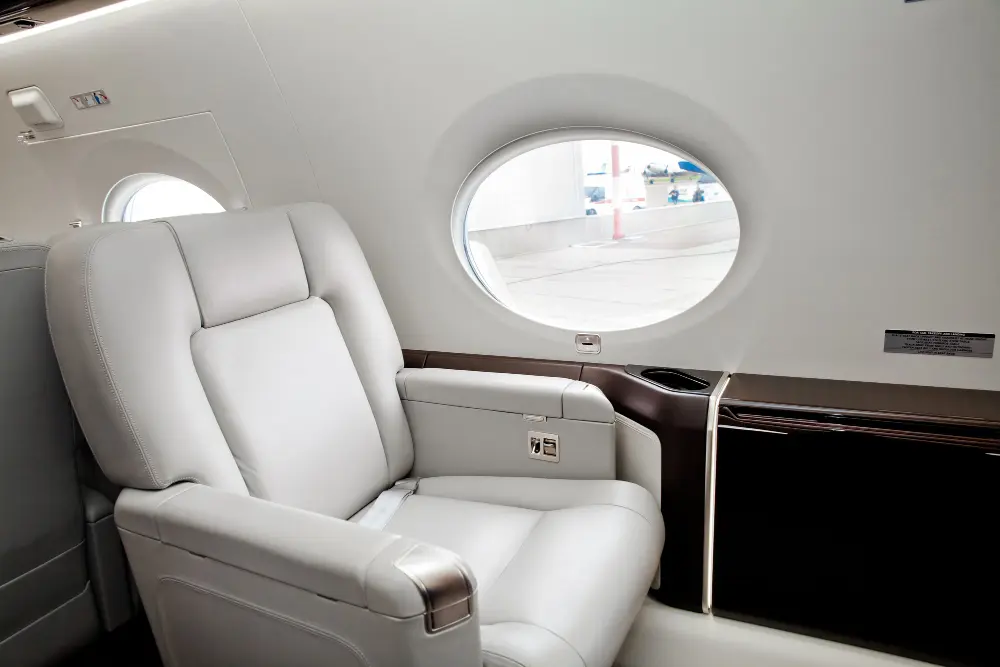
Planning a trip to the Land of the Rising Sun is an exciting endeavor, but the most pressing question for any traveler is always the bottom line. To answer the primary concern: how much to travel japan in 2026 typically ranges from $75 to $100 per day for budget travelers, $150 to $250 per day for mid-range comfort, and $500+ per day for a luxury experience, excluding international flights. With the Japanese Yen currently offering favorable exchange rates for many foreign visitors, Japan has become surprisingly accessible, though your total investment will depend heavily on your accommodation choices and how you navigate the high-speed rail network.
Understanding the Current Landscape of Japan Travel Costs
The financial reality of visiting Japan has shifted over the last few years. While Japan was once considered one of the most expensive destinations globally, it now sits comfortably as a high-value destination. To plan the perfect trip, you need to break down costs into five main pillars: airfare, accommodation, transportation, food, and activities.
When calculating how much to travel japan, you must also consider the timing of your visit. Peak seasons like the cherry blossom window (late March to early April) or Golden Week (late April to early May) can cause hotel prices to double. Conversely, visiting during the winter “low season” (excluding New Year) can slash your accommodation budget by 30% or more.

Round-Trip Airfare: Your First Major Expense
Flight costs are often the largest single hurdle. Prices vary wildly based on your departure city and how far in advance you book.
- From North America: Expect to pay between $800 and $1,400 for an economy round-trip. Major hubs like Los Angeles (LAX) often have more competitive rates than East Coast cities.
- From Europe: Prices generally range from €900 to €1,500.
- From Australia/Asia: Proximity works in your favor here, with flights often found between $500 and $900.
To find the best deals, experts recommend using tools like Google Flights to track price fluctuations over several months. Booking at least three to six months in advance is the golden rule for securing the lowest rates.

Accommodation: Where You Rest Your Head
Accommodation is the area where you have the most control over your daily spending. Japan offers a unique spectrum of lodging that ranges from futuristic pods to centuries-old traditional inns.
Budget Options ($25 to $60 per night)
For those watching every yen, capsule hotels and high-end hostels are the way to go. Modern chains like Nine Hours offer sleek, clean, and incredibly efficient pods for roughly $30 to $50. Hostels in Tokyo or Osaka are impeccably maintained and often include communal kitchens, which help save on food costs.
Mid-Range Comfort ($80 to $180 per night)
“Business hotels” are the unsung heroes of Japanese travel. Chains like Toyoko Inn or APA Hotels provide small but functional private rooms with en-suite bathrooms and high-speed internet. These are usually located near major train stations, making them ideal for efficient sightseeing.
Luxury and Traditional Stays ($350 to $1,000+ per night)
If you are looking for the ultimate experience, a night at a high-end Ryokan (traditional inn) is a must. These stays often include a multi-course kaiseki dinner and breakfast, costing anywhere from $400 to $800 per night for two people. For modern luxury, 5-star hotels like the Park Hyatt Tokyo or Aman Tokyo define the high end of the market.
Food and Dining: From Konbini to Michelin Stars
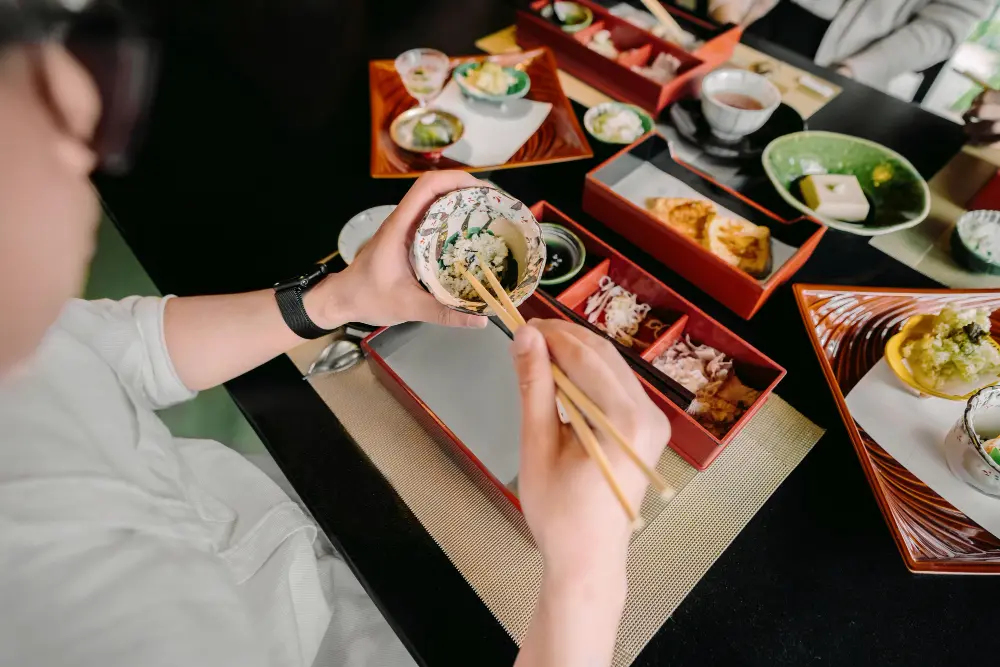
Japan is a culinary wonderland where you can eat incredibly well on almost any budget.
- The Budget Strategy: You can survive comfortably on $30 per day by utilizing “Konbini” (convenience stores) like 7-Eleven or Lawson. Their high-quality rice balls (onigiri), bento boxes, and hot snacks are legendary.
- The Mid-Range Strategy: Budgeting $60 to $80 per day allows for sit-down lunches at ramen shops (around $8–$12) and nice izakaya (Japanese pub) dinners where you can enjoy small plates and drinks for $30–$40.
- Fine Dining: A single high-end sushi omakase or Kobe beef dinner can easily exceed $200 per person.
A great tip for those wondering how much to travel japan without breaking the bank is to eat your largest meal at lunch. Many high-end restaurants offer “lunch sets” that provide a similar quality to their dinner service at a fraction of the cost.
Transportation: Navigating the Islands
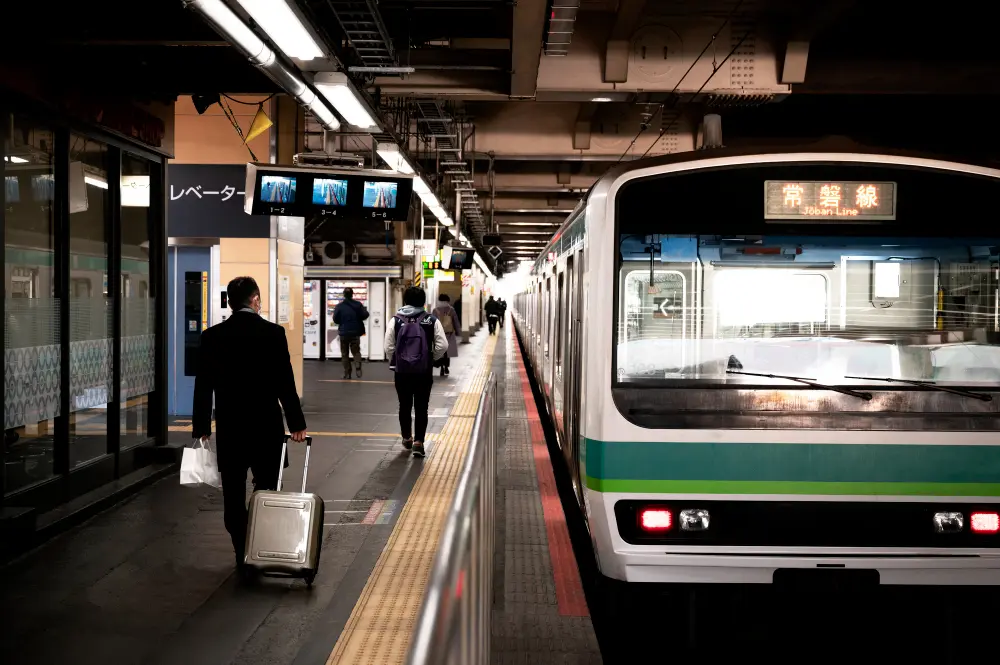
Getting around Japan is a dream, thanks to its world-class rail system, but it requires careful planning to stay within budget.
The Japan Rail (JR) Pass
Following significant price increases in recent years, the Japan Rail Pass is no longer an automatic “must-buy.” Currently, a 7-day pass costs approximately ¥50,000 ($330).
- When it’s worth it: If you are traveling long distances in a short time (e.g., Tokyo to Kyoto to Hiroshima and back in a week).
- When it’s not: If you are spending most of your time in one or two regions. Regional passes, like the JR West Kansai Pass, often offer much better value.
Local Transport and Regional Flights
Within cities like Tokyo or Osaka, expect to spend about $5 to $10 per day on subways and buses. For long-distance travel between islands (like Tokyo to Sapporo), low-cost carriers like Peach or Jetstar Japan can be cheaper than the Shinkansen (bullet train) if booked in advance through Expedia or similar platforms.
Activities and Sightseeing
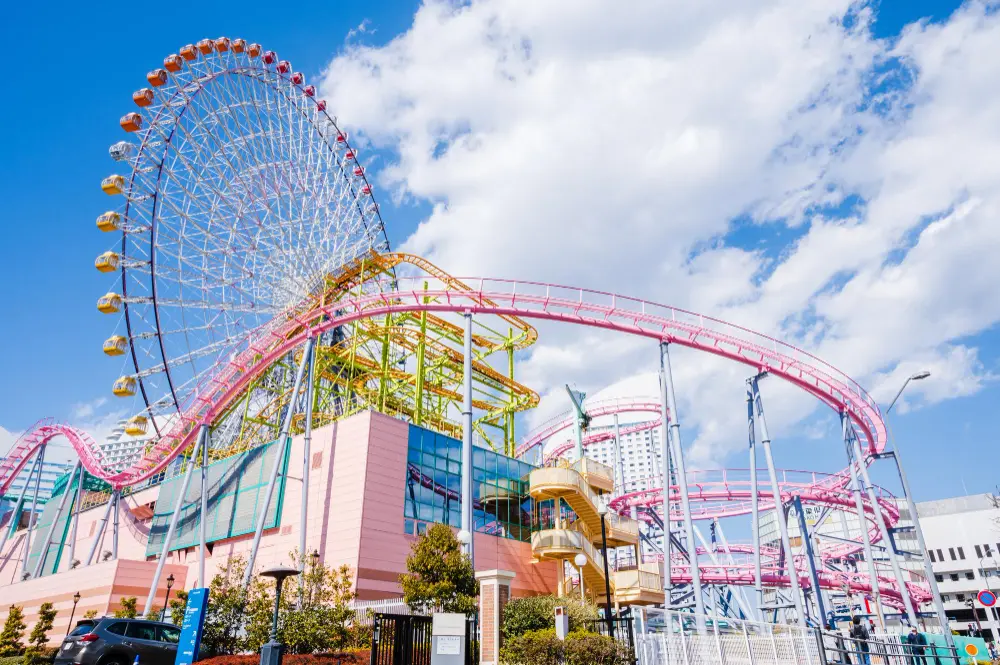
Most temples and shrines in Japan have very modest entry fees, typically between $3 and $7. However, major attractions and theme parks can impact your total.
- Tokyo Disneyland / DisneySea: Approx. $60 to $75 per day.
- Universal Studios Japan (Osaka): Approx. $65 to $85 per day.
- TeamLab Borderless/Planets: Approx. $25 to $35.
- Observation Decks: Places like the Shibuya Sky or Tokyo Skytree range from $15 to $25.
Budgeting around $15 to $25 per day for sightseeing is usually sufficient for most travelers to see the major highlights without feeling restricted.
Total Trip Cost Estimations (Per Person, 14 Days)
To help you visualize how much to travel japan, here is a comparison of three different travel styles for a two-week journey.
| Category | Budget Traveler | Mid-Range Traveler | Luxury Traveler |
| Flights | $900 | $1,100 | $4,500 (Business) |
| Accommodation | $500 | $1,600 | $6,000+ |
| Food & Drink | $450 | $900 | $2,500 |
| Transport | $350 | $550 | $1,200 (Private) |
| Activities | $200 | $450 | $1,500 |
| Total (USD) | $2,400 | $4,600 | $15,700+ |
Note: These figures are estimates and can vary based on currency fluctuations and personal choices.

Essential Extra Costs to Consider
When people ask how much to travel japan, they often forget the “invisible” costs that can sneak up on a traveler.
- Connectivity: A pocket Wi-Fi rental or an eSIM is essential. Expect to pay $30 to $50 for a two-week high-speed data plan.
- Travel Insurance: Never skip this. A comprehensive policy for Japan typically costs $50 to $100 depending on your age and coverage.
- Luggage Forwarding (Takkyubin): This uniquely Japanese service allows you to send your heavy bags from one hotel to the next for about $15 to $25 per bag. It is worth every penny to avoid hauling suitcases onto crowded trains.
- Consumer Tax: Most prices in Japan include the 10% consumption tax, but many large department stores offer “tax-free” shopping for tourists who spend over ¥5,000. Keep your passport handy to take advantage of this!
Strategic Tips for Saving Money
If the totals above seem daunting, don’t worry. There are several ways to lower the cost of how much to travel japan without sacrificing the experience.
- The 100-Yen Shop: Stores like Daiso or Seria are incredible for picking up travel essentials, snacks, and high-quality souvenirs for roughly $0.75 each.
- Free Sightseeing: Many of the best experiences in Japan are free (visiting the Senso-ji Temple grounds, walking through the Fushimi Inari gates, or exploring the Shibuya Crossing).
- Night Buses: For the young and sturdy, Willer Express operates night buses between major cities. This saves you the cost of a Shinkansen ticket and a night of accommodation.
- Water: Tap water in Japan is perfectly safe and delicious. Carry a reusable bottle to avoid spending $1.50 every time you see one of Japan’s millions of vending machines.
Final Thoughts
So, how much to travel japan really boils down to your personal definition of “perfect.” Whether you are eating 7-Eleven onigiri on a park bench in Ueno or enjoying a private onsen overlooking Mt. Fuji, Japan offers a profound sense of hospitality and wonder that transcends price tags. By understanding these costs upfront, you can build a budget that allows you to focus on the culture, the history, and the neon lights, rather than worrying about the yen in your wallet.
Japan is waiting for you (and it’s more affordable than you think). Start your planning by checking current entry requirements on the Official Japan National Tourism Organization website to ensure a smooth and perfect start to your adventure.