 By Elois da Costa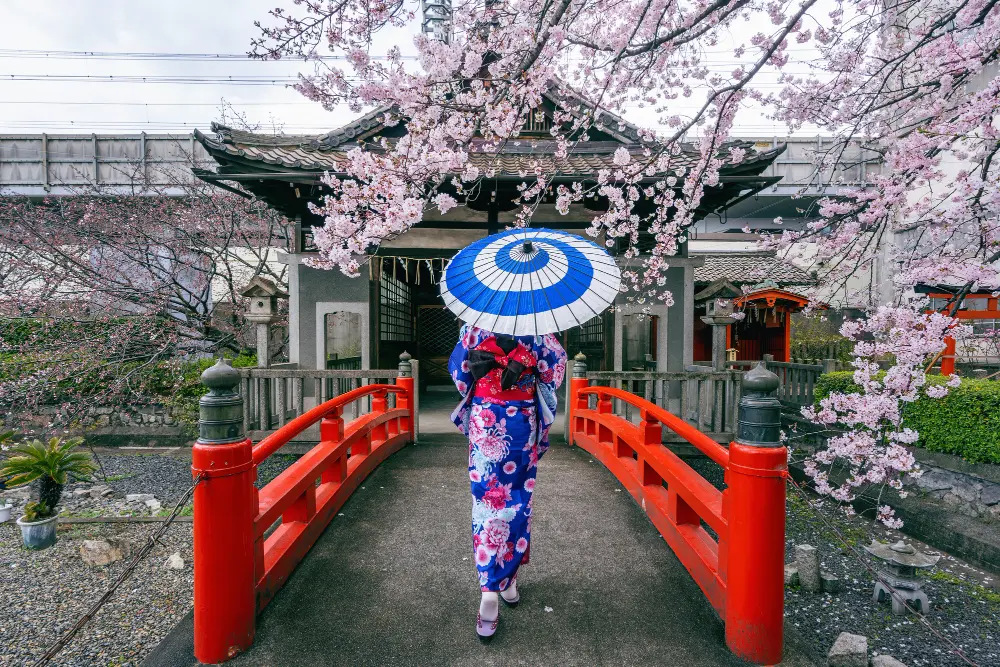
What is the best time to travel to Japan depends entirely on whether you want to walk through a blizzard of pink cherry blossoms, hike the rugged Japan Alps in summer, or witness the fiery maple leaves of autumn. Generally, the absolute best time to visit is during the spring (late March to early May) or autumn (September to November) when temperatures are mild and the landscapes are at their most vibrant. However, travelers seeking fewer crowds and lower prices will find the winter months to be a hidden gem for exploring the country without the peak-season rush.
Japan is a country where the change of seasons is not just a weather report; it is a cultural event. Each month brings unique festivals, seasonal delicacies, and distinct aesthetic shifts that can completely change your experience in cities like Tokyo, Kyoto, or Sapporo. To help you plan, we have broken down the calendar to see how each month answers the question of what is the best time to travel to Japan for your specific interests.
Spring: The Season of Renewal (March to May)
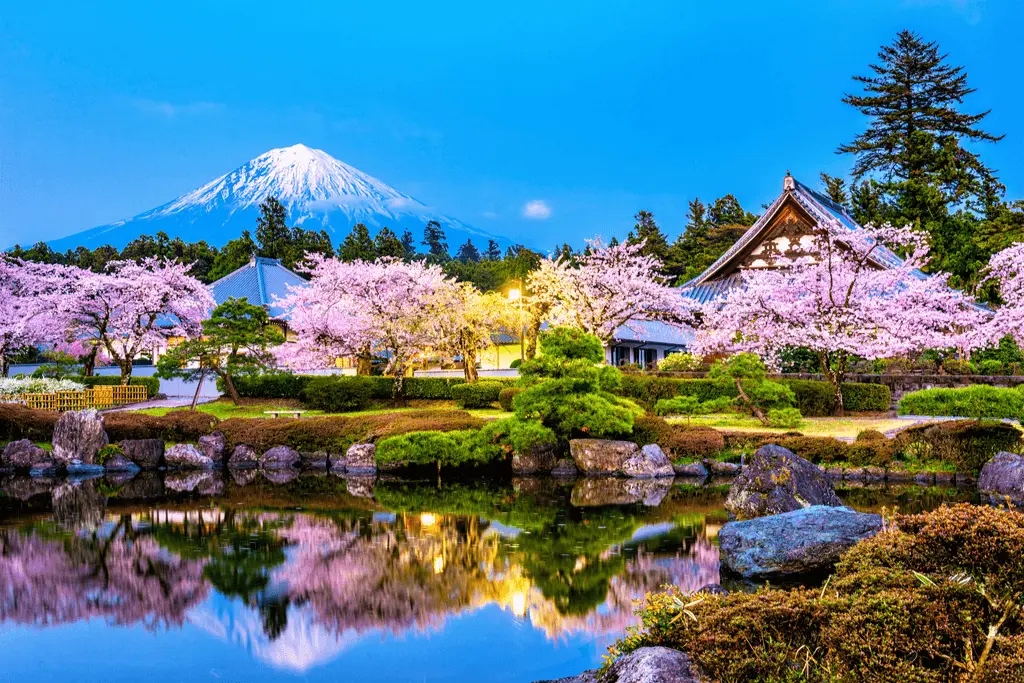
Spring is arguably the most popular answer when people ask what is the best time to travel to Japan. This is when the country sheds its winter coat and erupts into shades of blush and white.
March: The Awakening
Early March still carries a chill, but by the end of the month, the southern regions begin to see the first Sakura (cherry blossoms). This is a period of great anticipation. If you plan to visit during this window, checking the official Japan Meteorological Corporation forecast is essential, as the bloom dates fluctuate annually based on temperature.
April: Peak Sakura and Festivals
April is the busiest month for tourism. The weather is nearly perfect, hovering around 15°C to 20°C (59°F to 68°F). Parks are filled with locals enjoying Hanami (flower-viewing parties). Because demand is so high, it is wise to track prices via Google Flights early to avoid the steep spikes in airfare that occur during peak bloom.
May: The Sweet Spot
Once the cherry blossoms fall, the “Green Season” begins. Early May features “Golden Week,” a series of four national holidays. It is one of the most crowded times for domestic travel. However, the second half of May offers some of the best weather of the year: warm, sunny days and low humidity, making it ideal for exploring the outdoor shrines of Nikko or the hills of Hakone.
Summer: Festivals and High Energy (June to August)
Summer in Japan is a sensory overload. It is a season of intense heat, rhythmic taiko drums, and spectacular fireworks displays. If you don’t mind the humidity, you might decide this is what is the best time to travel to Japan for vibrant local life.
June: The Plum Rain
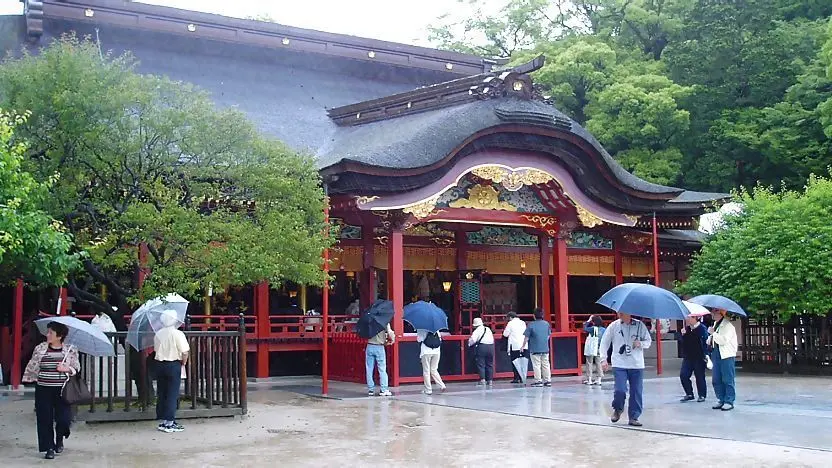
June marks the start of Tsuyu, the rainy season. While it sounds gloomy, the rain is rarely constant. It brings lush greenery and stunning hydrangeas to temple gardens. This is also a fantastic time to find deals on luxury stays through Airbnb or local ryokans, as the “rainy” reputation keeps many tourists away.
July: Festival Fever
By July, the humidity rises, but so does the excitement. This is the month of the Gion Matsuri in Kyoto, one of Japan’s most famous festivals. If you are an adventurer, July 1st usually marks the official opening of the climbing season for Mount Fuji, allowing hikers to trek to the summit of Japan’s most iconic peak.
August: Fireworks and Obon
August is hot and humid, often exceeding 30°C (86°F). However, it is also the time for Hanabi (fireworks) festivals. Cities compete to put on the most elaborate displays. Mid-August is the Obon period, a time when Japanese families honor their ancestors. Expect heavy traffic on trains and buses as people return to their hometowns.
Autumn: The Golden Glow (September to November)
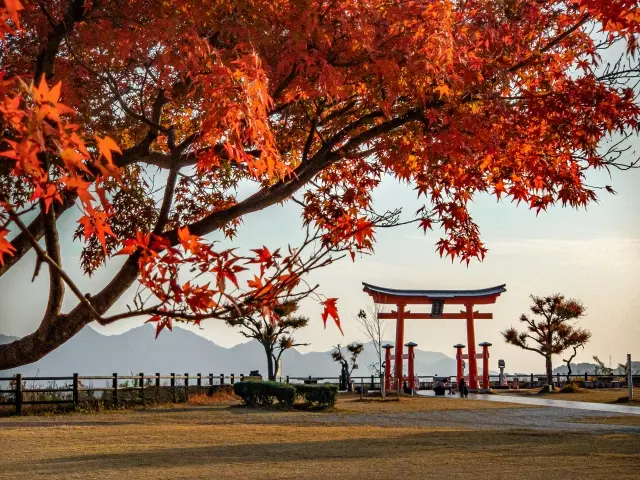
Many seasoned travelers argue that autumn, not spring, is the true answer to what is the best time to travel to Japan. The weather is stable, and the fall foliage (Koyo) is breathtaking.
September: The Transition
September can be unpredictable due to typhoon season. While large storms are infrequent, they can cause travel delays. However, the end of the month brings a welcome drop in humidity and the start of the alpine colors in Hokkaido.
October: Perfect Hiking Weather
October is a favorite for many. The skies are usually clear and blue, and the temperatures are crisp. It is the perfect time to explore the Nakasendo Trail or visit the art islands of Naoshima. The crowds are thinner than in April, and the scenery is just as beautiful.
November: The Fiery Landscapes
In November, the maple and ginkgo trees in Tokyo and Kyoto turn brilliant shades of red and gold. Unlike the cherry blossoms, which last only a week, the autumn colors linger for several weeks. It is an excellent time for photography and visiting outdoor Onsen (hot springs), as the cool air makes the hot water feel even more rejuvenating.
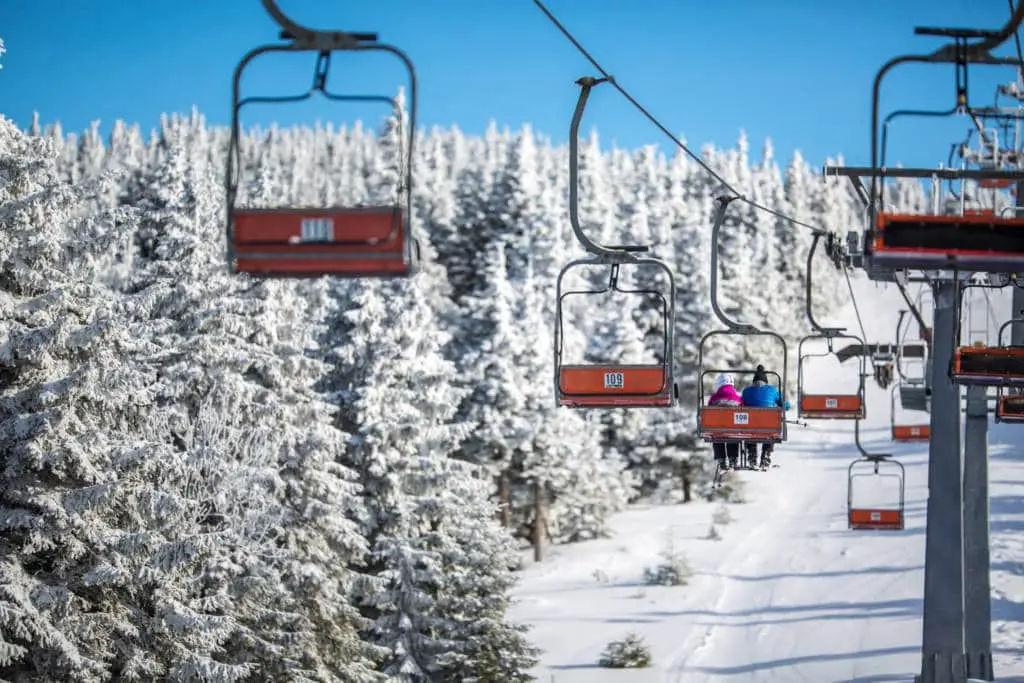
Winter: Snow Monkeys and Ski Slopes (December to February)
Winter is the most affordable time to visit, and for those who enjoy winter sports or cozying up in a traditional inn, it is magical.
December: Illuminations and New Year
Japanese cities go all out with winter illuminations in December. Massive light displays transform districts like Ginza and Shinjuku. Note that the days around New Year’s Eve are very quiet, as many businesses close so people can spend time with family.
January: World-Class Powder
January is the prime time for skiing. Japan is world-renowned for its “Japow” (Japan Powder snow). Resorts in Niseko and Hakuba attract enthusiasts from across the globe. You can check the latest snow reports on OnTheSnow to see which regions have the best coverage.
February: The Sapporo Snow Festival
February is the coldest month, but it hosts the incredible Sapporo Snow Festival, where giant ice sculptures take over the city. It is also the best time to see the famous “Snow Monkeys” bathing in the hot springs of Jigokudani Monkey Park.
Regional Considerations: North vs. South
When asking what is the best time to travel to Japan, you must consider geography. Japan is a long, volcanic archipelago, and the weather varies wildly from the north to the south.
- Hokkaido (North): Winters are long and harsh, but summers are cool and pleasant (rarely reaching the humid highs of Tokyo).
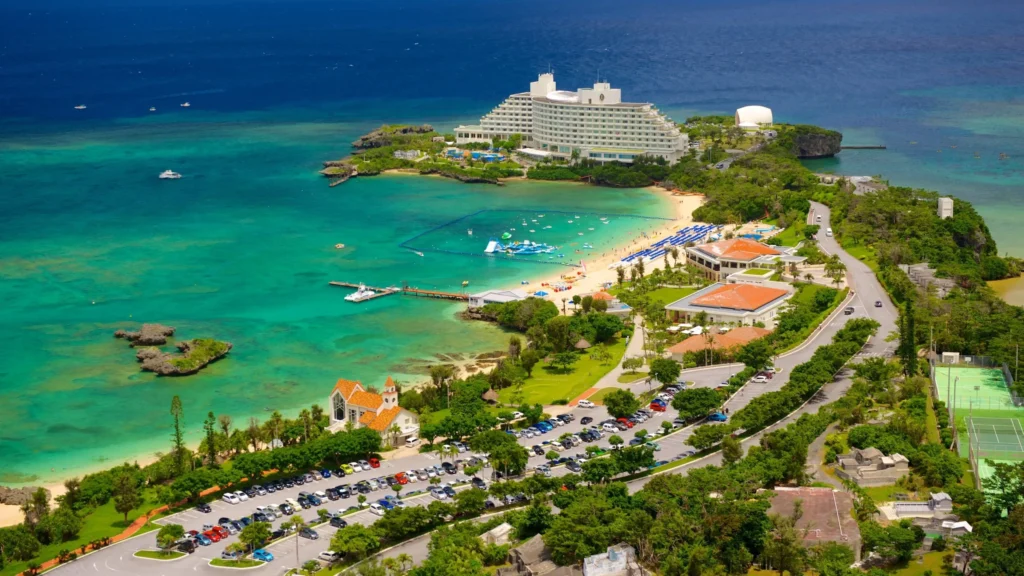
- Okinawa (South): This is a subtropical paradise. You can swim in the ocean as late as October, but it is prone to typhoons in the late summer.
- Central Japan (Honshu): Cities like Tokyo, Osaka, and Kyoto follow the standard four-season pattern described above.
To get the most accurate regional data, the Japan National Tourism Organization provides comprehensive guides on regional climates and seasonal events.

Travel Tips for Any Season
Regardless of when you choose to go, a few universal tips will make your planning smoother:
- Book Accommodation Early: For spring and autumn, hotels in Kyoto can book up six months in advance. Use platforms like Expedia to compare prices and secure refundable bookings.
- Get a Transport Pass: The JR Pass is often debated now due to price increases, but regional passes can still save you a fortune if you are focusing on a specific area like Kansai or Kyushu.
- Dress in Layers: Japanese buildings are often heavily heated in winter and heavily cooled in summer. Layers are your best friend.
- Check for Local Holidays: Aside from Golden Week, Silver Week (in September) and the New Year period can affect business hours and transport availability.
Conclusion
Ultimately, what is the best time to travel to Japan is a personal choice. If you want the iconic experience of cherry blossoms, brave the April crowds. If you want deep powder snow and frozen festivals, head north in February. For those who want the best balance of weather, beauty, and accessibility, October and November remain the top recommendations. No matter when you land, Japan’s hospitality and timeless beauty ensure an unforgettable journey.