 By Elois da Costa
Learning how to plan a trip to Washington DC involves balancing iconic historical landmarks with vibrant neighborhood culture, requiring a strategy that accounts for seasonal weather, timed-entry reservations for popular museums, and an efficient transportation plan. To experience the best of the nation’s capital, you should aim for a four to five day itinerary that prioritizes the National Mall during the morning hours and explores the diverse dining scenes of areas like Adams Morgan or Navy Yard in the evening.
Planning a getaway to the District of Columbia is an exciting endeavor because the city offers a unique blend of international diplomacy and local charm. Whether you are a history buff, an art lover, or a foodie, the city provides a wealth of experiences that are often free of charge. This guide will walk you through every essential step to ensure your visit is seamless and memorable.
Choosing the Best Time to Visit
The first step in understanding how to plan a trip to Washington DC is identifying the right season for your preferences. The city experiences four distinct seasons, each offering a different atmosphere.
Spring: The Cherry Blossom Peak
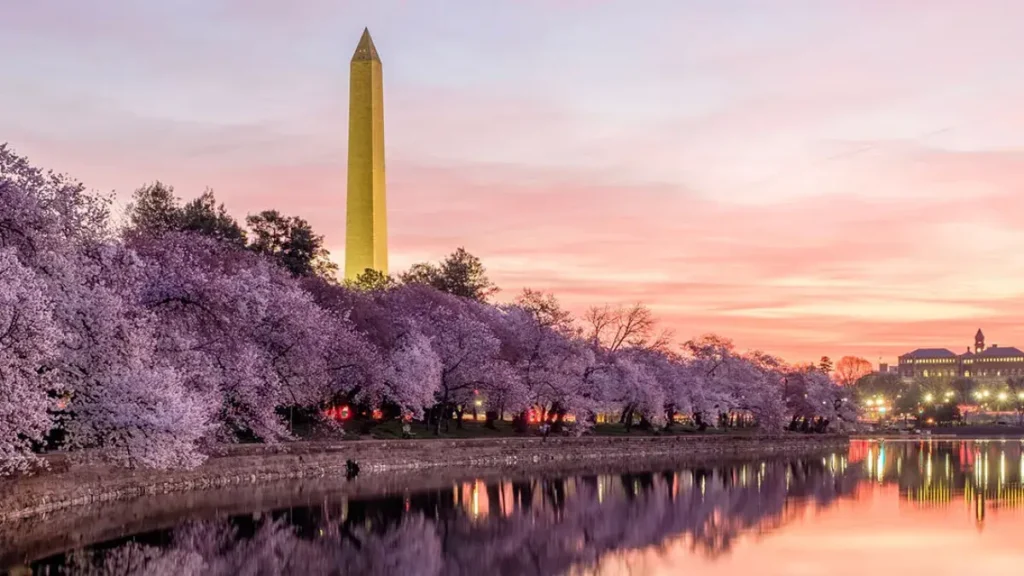
Spring is arguably the most popular time to visit. Between late March and early April, the Japanese cherry trees around the Tidal Basin bloom into a sea of pink and white. While beautiful, this is also the busiest time for tourism. You will need to book your accommodations months in advance to secure reasonable rates.
Summer: Humidity and Festivals
Summer in DC is known for its intense humidity and high temperatures. However, it is also a season filled with outdoor concerts and festivals. If you visit in July, the Independence Day celebrations on the National Mall are world-class, featuring massive firework displays over the monuments.
Fall: Mild Weather and Fewer Crowds
Many frequent travelers believe fall is the “sweet spot” for DC travel. From September to November, the air is crisp, the leaves change color, and the heavy summer crowds begin to thin out. This is an excellent time for walking tours.
Winter: Budget Friendly and Quiet
If you are looking for the most affordable rates, winter is your best bet. While January and February can be cold, the museums are much quieter, allowing you to view famous works of art without peering over shoulders.
Transportation: Getting There and Around
Deciding how you will arrive and navigate the city is a pillar of how to plan a trip to Washington DC effectively.
Flying into the District
There are three main airports serving the area:
- Ronald Reagan Washington National Airport (DCA): Located just across the Potomac River, this is the most convenient airport for quick access to the city via the Metro.
- Washington Dulles International Airport (IAD): A major international hub located in Virginia. It is now connected to the city via the Silver Line Metro extension.
- Baltimore/Washington International Thurgood Marshall Airport (BWI): Located further north, often offering budget-friendly flights via Southwest Airlines.
Navigating with the Metro
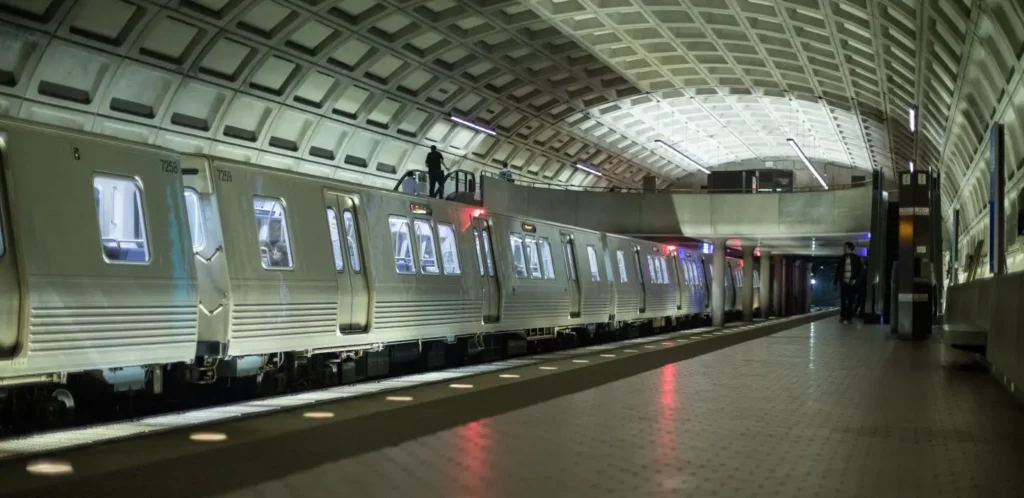
Washington DC boasts one of the cleanest and most efficient public transit systems in the United States. The Washington Metropolitan Area Transit Authority (WMATA) operates the “Metro,” which is color-coded by line. Instead of renting a car (which can be a nightmare due to limited parking), purchase a SmarTrip card or use the mobile payment options on your smartphone to hop on and off trains and buses.

Where to Stay: Finding Your Home Base
Your choice of neighborhood will dictate your overall experience. When researching how to plan a trip to Washington DC, consider these popular areas:
- Capitol Hill: Perfect for those who want to be steps away from the Library of Congress and the Supreme Court. It feels residential but remains very central.
- Foggy Bottom: Home to George Washington University and the Kennedy Center. It is a safe, bustling area with great Metro access.
- Dupont Circle: Ideal for travelers who enjoy boutique shopping, historic row houses, and a vibrant nightlife.
- The Wharf: A newer development in Southwest DC that offers luxury hotels, waterfront views, and an incredible selection of seafood restaurants.
Before booking, it is wise to compare prices on major travel platforms. You can often find competitive rates by checking current hotel deals on Expedia or looking for unique local apartments on Airbnb to get a more “local” feel for the city.
Mastering the National Mall
The National Mall is the geographic and emotional heart of the city. Stretching from the U.S. Capitol to the Lincoln Memorial, this green space is home to most of the iconic monuments and Smithsonian museums.
The Smithsonian Institution
One of the best parts of learning how to plan a trip to Washington DC is discovering that most museums are free. The Smithsonian Institution consists of multiple facilities, including the National Air and Space Museum, the National Museum of African American History and Culture, and the National Museum of Natural History.
Expert Tip: Even though they are free, several museums now require “Timed-Entry Passes.” You should check the official Smithsonian Institution website weeks before your arrival to reserve your spot, especially for the more popular venues.
The Monuments at Night
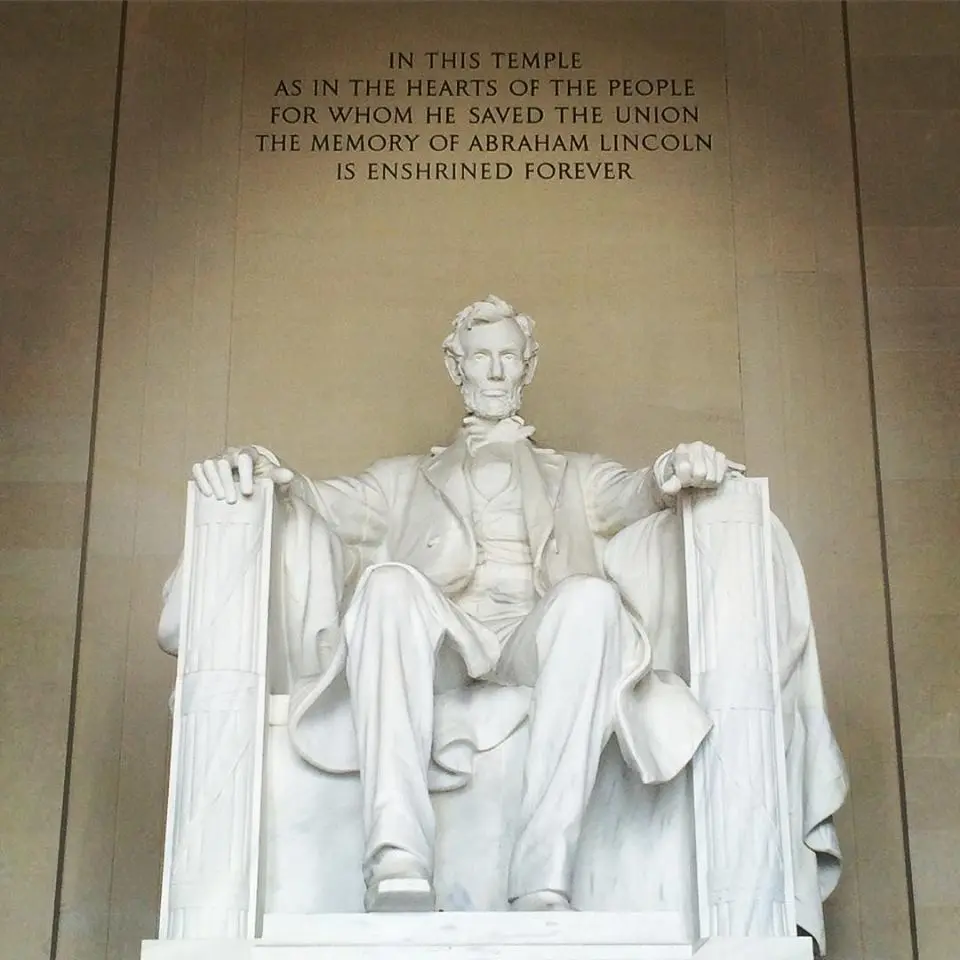
While the monuments are impressive during the day, they are breathtaking at night. The crowds are significantly smaller, and the white marble of the Lincoln Memorial and the World War II Memorial glows under the spotlights. Walking the loop around the Tidal Basin at dusk is a quintessential DC experience.
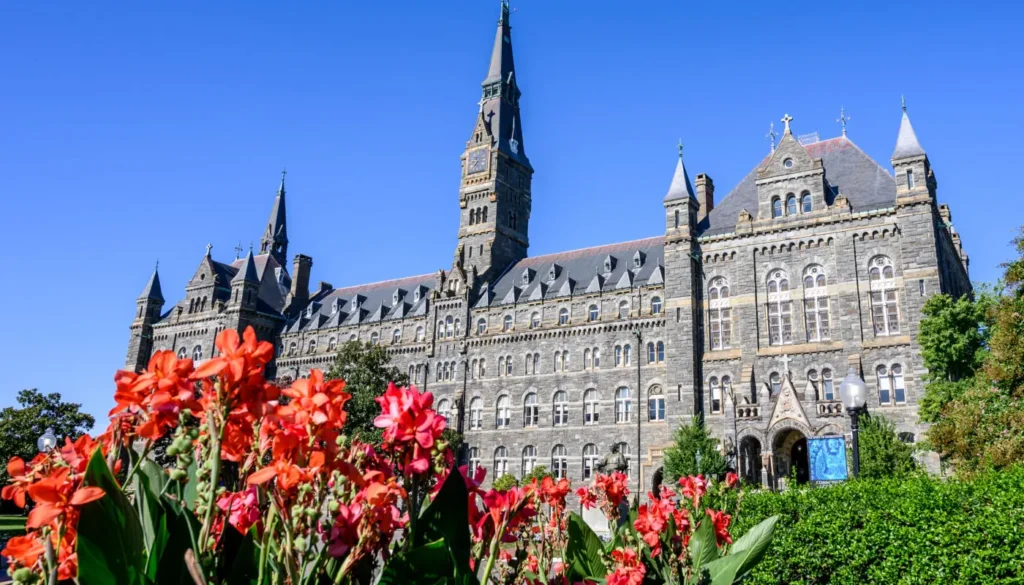
Beyond the Mall: Neighborhood Gems
A common mistake when figuring out how to plan a trip to Washington DC is spending 100% of your time on the National Mall. To truly see the city, you must venture into the neighborhoods.
Georgetown
As the oldest neighborhood in the city, Georgetown features cobblestone streets and historic architecture. It is the perfect place for high-end shopping and a walk along the C&O Canal. Don’t forget to visit the “Exorcist Steps” if you are a fan of classic cinema.
Adams Morgan
If you are looking for global cuisine and live music, Adams Morgan is the place to be. This eclectic neighborhood is famous for its nightlife and diverse food scene, ranging from Ethiopian stews to Vietnamese pho.
The Library of Congress
Often cited as the most beautiful building in Washington, the Library of Congress (Jefferson Building) requires a free timed-entry reservation. The Great Hall and the View of the Main Reading Room are architectural masterpieces that should not be missed.
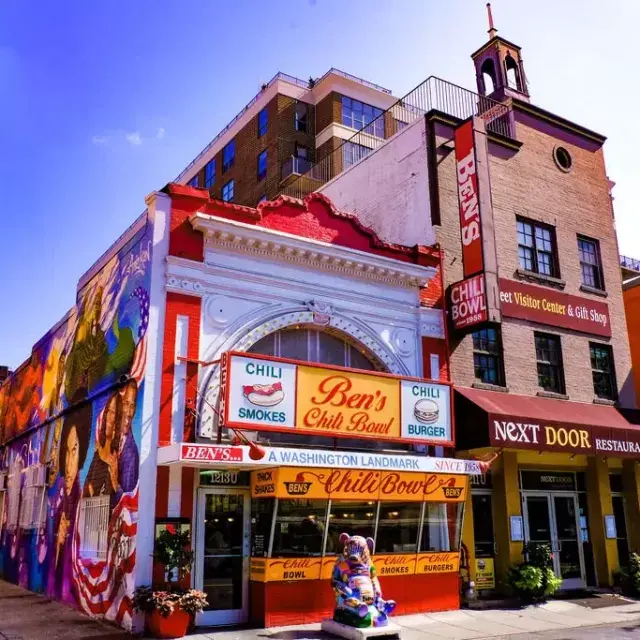
Dining and Cuisine
The food scene in DC has exploded in recent years, earning it a reputation as a culinary capital. When you are mapping out how to plan a trip to Washington DC, leave room for these local staples:
- The Half-Smoke: Visit the legendary Ben’s Chili Bowl on U Street to try this spicy, smoked sausage delicacy.
- Michelin-Starred Excellence: DC has a surprising number of Michelin-rated restaurants. If you want a high-end experience, look into Michelin Guide Washington DC recommendations to book a table at places like The Inn at Little Washington or Rose’s Luxury.
- Union Market: A gourmet food hall where you can sample everything from artisanal cheeses to Korean tacos in one place.

Practical Planning Tips
To make your trip truly perfect, keep these logistical details in mind:
- Comfortable Shoes: You will likely walk between 5 and 10 miles per day. Leave the fashionable heels at home and opt for supportive sneakers.
- Security Screenings: Almost every building in DC, including museums and government offices, requires a security screening similar to an airport. Avoid carrying large backpacks or prohibited items to speed up your entry.
- Booking Tours: If you wish to tour the White House, you must submit a request through your Member of Congress months in advance. For those visiting from abroad, you should contact your embassy in Washington DC for assistance with these requests.
- Weather Prep: Always carry a reusable water bottle and a small umbrella. The weather can change quickly (especially in the spring and summer).
For those looking for the best airfare, using tools like Google Flights can help you track price drops and find the most efficient routes into the three local airports.

Sample 4-Day Itinerary
To help you visualize how to plan a trip to Washington DC, here is a basic framework:
Day 1: The Basics
Morning at the U.S. Capitol and Library of Congress. Afternoon at the National Museum of Natural History. Evening walk to the White House for photos.
Day 2: Reflection and History
Morning at the National Museum of African American History and Culture. Afternoon walking the monuments (Lincoln, Vietnam Veterans, Korean War). Evening at The Wharf for dinner.
Day 3: Art and Culture
Morning at the National Gallery of Art. Afternoon exploring the National Portrait Gallery (the courtyard is a great place to rest). Evening in Georgetown.
Day 4: Flight and Science
Morning at the National Air and Space Museum. Afternoon at the International Spy Museum (this is one of the few museums that charges admission, but it is highly interactive). Evening in Adams Morgan.
Final Thoughts
The secret of how to plan a trip to Washington DC is realizing that you cannot see everything in one visit. It is better to pick a few “must-see” spots and leave time for spontaneous discovery. The city is a living, breathing museum that continues to evolve, offering something new to every traveler who walks its grand avenues.
By following this guide, you are well on your way to a trip that is organized, affordable, and deeply enriching. Start your reservations early, pack your walking shoes, and get ready to experience the heartbeat of American democracy.