 By Elois da Costa
If you are planning a trip to the Land of the Rising Sun, the first question on your mind is likely: how much is to travel to japan? On average, a mid-range traveler can expect to spend between $2,500 and $3,500 per person for a two-week trip, including international flights, comfortable 3-star accommodations, and regional transport. While Japan has a reputation for being expensive, the reality is that it offers a massive spectrum of prices (from $50-a-night capsule hotels to $1,000-a-night luxury ryokans) making it accessible for almost any budget if you plan with precision.
Planning a trip to Japan is an exciting journey into a world where ancient traditions meet futuristic technology. However, without a clear understanding of the costs, your dream vacation could quickly become a financial headache. In this guide, we will break down every essential expense (flights, lodging, food, and transport) to help you build a perfect, stress-free itinerary.

1. Flight Costs: Getting to Japan Without Breaking the Bank
Your flight will likely be your largest upfront expense. Prices fluctuate wildly based on your departure city and the time of year you choose to visit.
Seasonal Variations
The timing of your trip is the biggest factor in determining how much is to travel to japan.
- Peak Season: March to May (Cherry Blossom season) and late October to November (Autumn foliage) are the most expensive times to fly. Round-trip tickets from the US often exceed $1,500 during these windows.
- Shoulder Season: Summer (June to August) is hot and humid, but flights can be slightly cheaper, usually around $1,100 to $1,300.
- Low Season: January and February (excluding Lunar New Year) offer the best deals. You can often find flights for under $900 if you book a few months in advance.
Booking Strategies
To find the most competitive rates, we recommend using a reliable aggregator. According to the latest flight pricing data on Google Flights, booking at least 3 to 4 months in advance is the “sweet spot” for international routes. If you are flying from the West Coast of the US, keep an eye on budget carriers like ZIPAIR, which has revolutionized transpacific travel with surprisingly low fares to Tokyo Narita.
2. Accommodation: From Capsules to Castles
Where you sleep will consume a significant portion of your daily budget. Japan offers some of the most unique lodging options in the world, and the price tags vary accordingly.
Budget Options ($30 to $70 per night)
For solo travelers or those on a tight budget, capsule hotels are a quintessential Japanese experience. These pods are efficient, clean, and often come with high-end amenities like communal baths. Alternatively, business hotels such as Toyoko Inn or APA Hotels offer small but highly functional private rooms, usually including a simple breakfast, for around $60 to $80 per night.
Mid-Range Comfort ($120 to $250 per night)
If you prefer more space and western-style amenities, 3 and 4-star hotels in cities like Tokyo and Kyoto are the way to go. You can find excellent value in brands like Mitsui Garden or Richmond Hotels. These properties typically offer better locations near major train stations, which saves you money and time on local transport.
Luxury and Ryokans ($400+ per night)
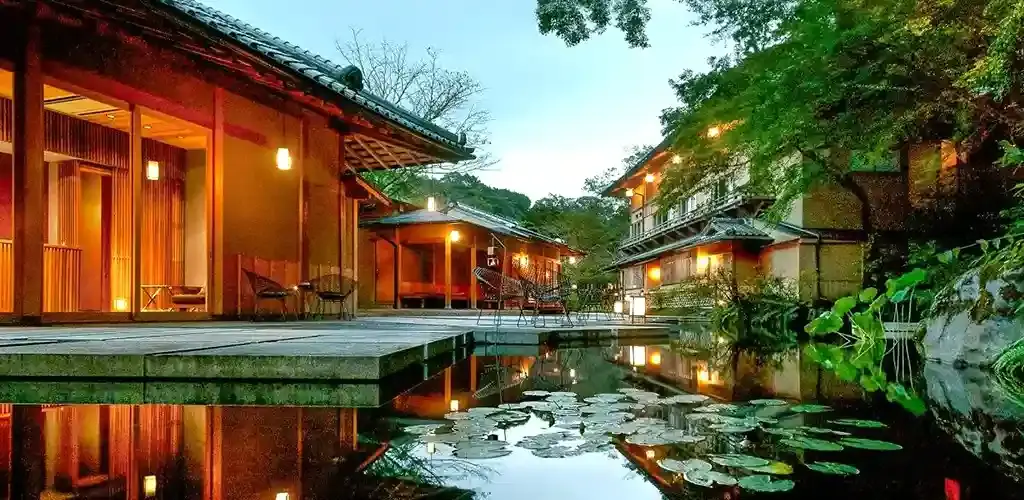
No trip to Japan is complete without at least one night in a ryokan (a traditional Japanese inn). These stays often include a multi-course kaiseki dinner and access to private onsen (hot springs). High-end ryokans in Hakone or Kyoto can easily cost $500 per night, but the cultural immersion is often considered the highlight of the trip.
3. Transportation: Navigating the Islands
Japan’s transport system is legendary for its punctuality, but it can be a maze for the uninitiated. Understanding your options is key to controlling how much is to travel to japan.
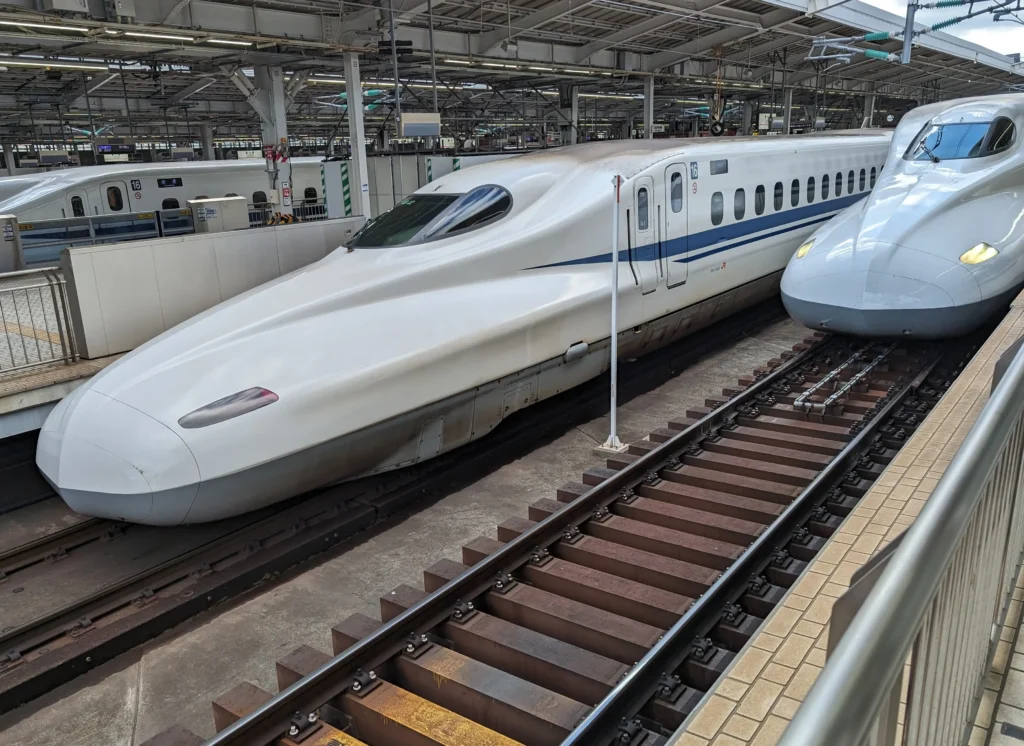
The Shinkansen (Bullet Train)
The Shinkansen is the fastest way to travel between cities. A one-way ticket from Tokyo to Osaka costs approximately ¥14,500 (roughly $95).
Is the Japan Rail Pass Still Worth It?
In late 2023, the price of the nationwide Japan Rail Pass increased significantly. In 2026, a 7-day pass costs about ¥50,000. For many travelers, this is no longer the “must-buy” it once was. Unless you are planning to visit three or more distant cities within a week (e.g., Tokyo to Hiroshima and back), you might be better off buying individual tickets or using regional passes.
Local Transport and IC Cards
For daily travel within cities, expect to spend about $10 to $15 per day. You should purchase a digital IC card (like Suica or Pasmo) on your phone. These are “tap-and-go” cards that work on almost all subways, buses, and even at vending machines.
4. Daily Food and Dining Expenses
One of the best things about Japan is that you can eat incredibly well on any budget. Japan is home to both the most Michelin-starred restaurants in the world and the best convenience store food on the planet.
The “Konbini” Strategy
Convenience stores like 7-Eleven, Lawson, and FamilyMart are a traveler’s best friend. A delicious onigiri (rice ball) costs about $1.10, and a full bento box meal is usually under $6. Many travelers save money by eating breakfast from a konbini to splurge on a nicer dinner.
Casual Dining
A bowl of high-quality ramen or a “set lunch” (teishoku) at a local diner typically costs between $8 and $12. In Japan, tipping is not practiced (and can even be seen as rude), so the price you see on the menu is exactly what you pay. This makes dining out significantly cheaper than in many Western countries.
Mid-Range to Fine Dining
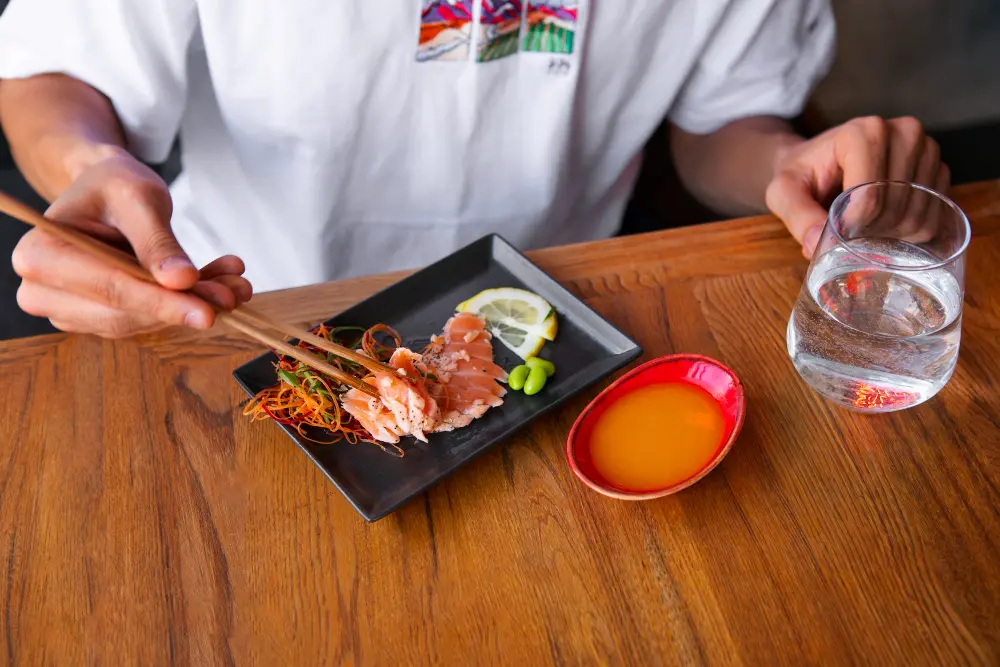
For a nice dinner at an Izakaya (Japanese pub) with drinks, budget around $40 to $60 per person. If you are looking for a high-end sushi omakase experience, prices usually start at $150 and can climb much higher.
5. Sightseeing and Activities
Most temples and shrines in Japan have very modest entrance fees, usually between $3 and $7. However, major attractions and modern experiences require a bit more planning.
Popular Attractions Prices (Approximate)
| Attraction | Estimated Cost (USD) |
| Tokyo Skytree | $20 – $25 |
| teamLab Borderless/Planets | $25 – $30 |
| Universal Studios Japan | $60 – $90 |
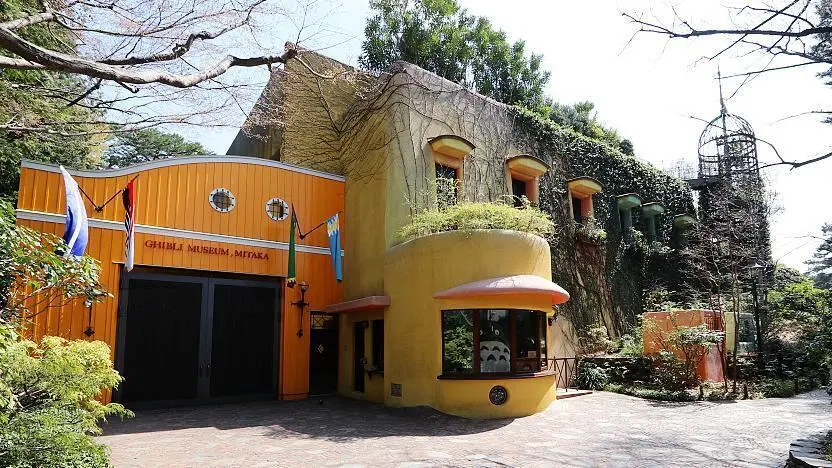
| Ghibli Museum | $7 (Must book months in advance) |
| Kyoto Tea Ceremony | $30 – $50 |
According to travel experience data from Expedia, booking your tickets for major attractions online in advance can save you up to 15% and, more importantly, guarantee your entry, as many popular spots sell out weeks ahead of time.
6. The “Hidden” Costs: Connectivity and Cash
When calculating how much is to travel to japan, don’t forget the small things that add up.
- Connectivity: You will need a Pocket WiFi or an eSIM to navigate. An eSIM for 14 days typically costs around $25 to $40 and is much more convenient than carrying a physical router.
- Cash is Still King: While big cities are becoming more credit-card friendly, many smaller shops, temples, and rural guesthouses only accept cash. Always have a few thousand yen on hand.
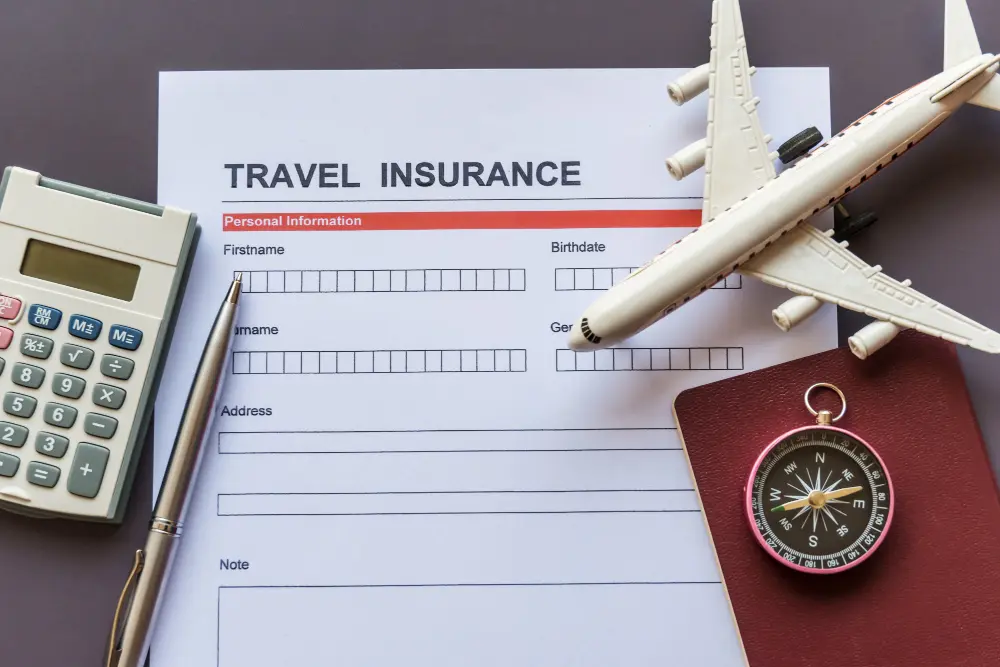
- Travel Insurance: Never skip this. A comprehensive policy for two weeks usually costs around $50 to $80 and can save you thousands in the event of a medical emergency or trip cancellation.
7. Sample Budgets: 14 Days in Japan
To give you a clearer picture, here are three estimated budget tiers for a two-week trip (excluding international flights).
The Budget Backpacker ($1,200 – $1,500)
- Accommodation: Hostels and capsule hotels.
- Food: Mix of konbini meals and cheap ramen shops.
- Transport: Night buses between cities instead of the Shinkansen; heavy use of local walking.
- Activities: Mostly free shrines and parks.
The Everyday Explorer ($2,500 – $3,200)
- Accommodation: 3-star business hotels and one night in a mid-range ryokan.
- Food: Casual restaurant meals with a few “splurge” dinners.
- Transport: Regional train passes and Shinkansen for major legs.
- Activities: Entry to 3-4 major paid attractions (like teamLab or USJ).
The Luxury Traveler ($6,000+)
- Accommodation: 5-star international hotels and high-end ryokans with private onsen.
- Food: Michelin-starred dining and private food tours.
- Transport: Green Class (First Class) Shinkansen and occasional private car transfers.
- Activities: Private guides and exclusive cultural experiences.
Conclusion: Is Japan Worth the Cost?
So, how much is to travel to japan? While the numbers might seem daunting at first, the value you receive is unparalleled. The safety, cleanliness, world-class service, and incredible food make every dollar spent feel like a worthwhile investment in a lifelong memory. By choosing the right season, mixing your accommodation styles, and eating like a local, you can experience the magic of Japan without draining your savings.
The key to a perfect trip isn’t just about how much you spend, but how well you plan. Start by setting your priorities: is it the food? The history? The shopping? Once you know what matters most, you can allocate your budget to make those dreams a reality.