 By Elois da Costa
To answer the most pressing question for your wallet: how much to travel to Japan typically ranges from $1,200 to $3,500 per person for a one week trip, depending on your preferred level of comfort. This total includes international flights, which usually account for a significant portion of the expense. On a daily basis, a budget traveler can explore Japan for about $80 to $120, while a mid-range traveler should plan for $200 to $300, and luxury seekers can easily exceed $500 per day. Fortunately, Japan remains a destination where high quality does not always require a high price tag, especially with a favorable exchange rate currently making it more accessible for international visitors than in previous decades.

Navigating the Airfare: Your First Major Expense
The flight is often the largest single cost in any Japan travel budget. Prices fluctuate wildly based on your point of origin, the time of year, and how far in advance you book. For travelers coming from the United States, round trip economy tickets typically fall between $800 and $1,400. If you are flying from Europe, expect to pay between $1,000 and $1,500.
To find the best deals, many experts suggest using tools like Google Flights to track price trends and set alerts. If you are flexible with your dates, traveling during the “shoulder seasons” (late autumn or winter, excluding New Year) can save you hundreds of dollars. For example, Momondo reports that January is often the cheapest month to fly into Tokyo or Osaka. Avoid the peak cherry blossom season in late March or the “Golden Week” holiday in early May if you are trying to keep your flight costs at a minimum.
Accommodation: Where to Sleep for Every Budget
Japan offers some of the most diverse lodging options in the world. Whether you want to sleep in a futuristic pod or a centuries old traditional inn, there is something for everyone.
Budget: Hostels and Capsule Hotels ($25 to $50 per night)
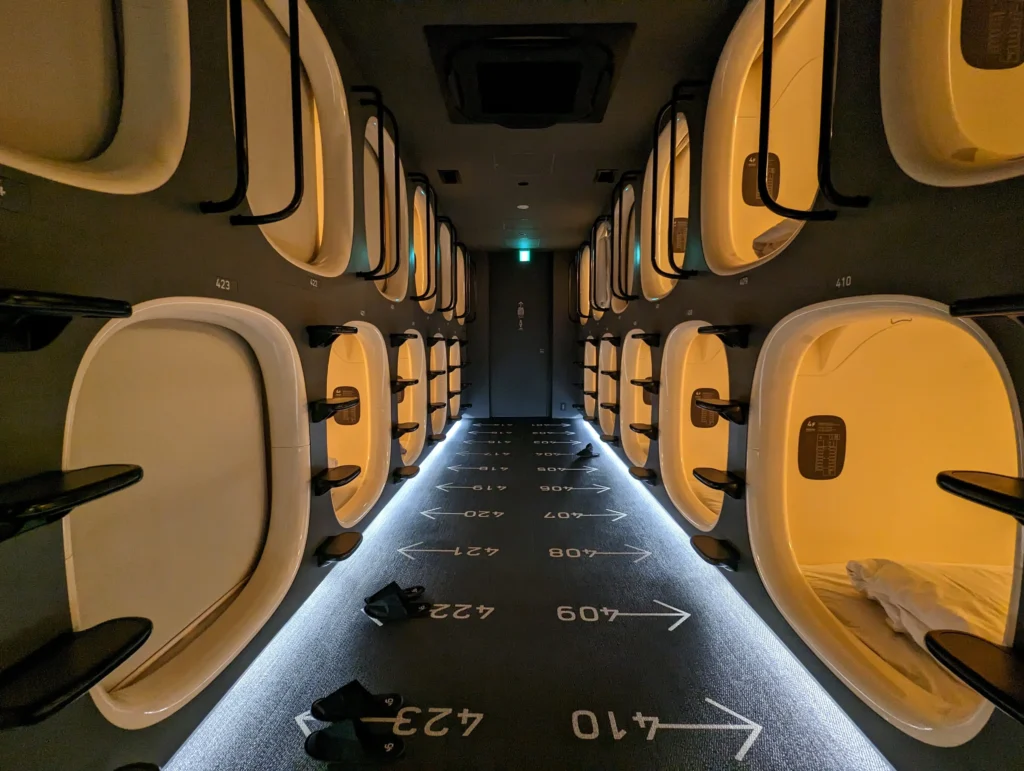
For the solo traveler or those on a shoestring budget, hostels and capsule hotels are abundant in major cities like Tokyo, Kyoto, and Osaka. A capsule hotel is a uniquely Japanese experience where you have a private, enclosed bunk. While communal, these spaces are incredibly clean and often provide high end toiletries and pajamas.
Mid-Range: Business Hotels ($70 to $150 per night)
The “business hotel” is the secret weapon of the savvy traveler. Chains like Toyoko Inn or APA Hotels offer compact, efficient, and sparkling clean rooms. They are usually located near major train stations and often include a free breakfast. If you prefer more space, international brands available on Expedia offer western style rooms with more amenities for a slightly higher price.
Luxury: Ryokans and High End Hotels ($300 to $900+ per night)
If you want to splurge, a stay at a traditional Ryokan (Japanese inn) is essential. This often includes a multi-course kaiseki dinner and access to private onsen (hot spring baths). In the cities, five star hotels like the Park Hyatt or Ritz-Carlton offer world class service and stunning skyline views.
Transportation: Getting Around the Rising Sun
Understanding transportation is key to figuring out how much to travel to Japan without overspending. Japan is famous for its efficiency, but that efficiency comes at a price.
The Japan Rail Pass (JR Pass)
The iconic Japan Rail Pass underwent a massive price hike recently. A 7-day pass now costs approximately $330 (¥50,000). To make this pass worth the investment, you must be doing a lot of long distance travel in a short window (for example: Tokyo to Kyoto to Hiroshima and back to Tokyo). If you are only visiting two cities, it is usually cheaper to buy individual tickets or look into regional JR passes which offer better value for specific areas like Kyushu or Kansai.
Local Transport and IC Cards
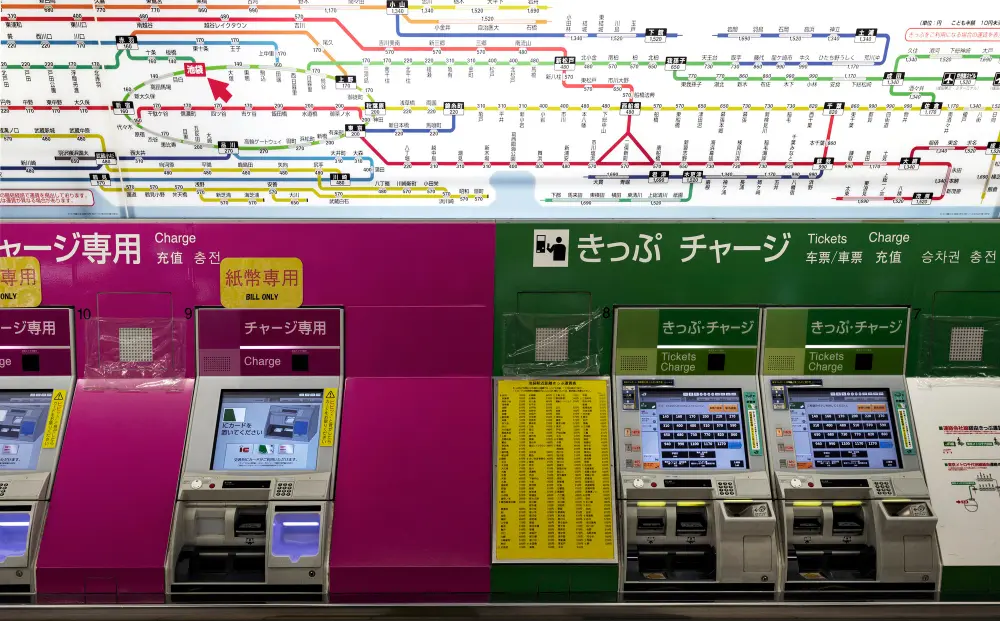
Within cities, you will mostly use subways and buses. To make this seamless, purchase an IC Card (like Suica or Pasmo). You can even add these to your digital wallet on your smartphone. Expect to spend about $5 to $10 per day on local transit.
Food: A Culinary Heaven for Every Wallet
One of the best things about Japan is that you can eat incredibly well for very little money. Unlike many Western cities, “cheap” food in Japan does not mean “bad” food.
- Convenience Stores (Konbini): Places like 7-Eleven, Lawson, and FamilyMart are legendary. You can get a high quality meal (bento box, onigiri, or sando) for $4 to $7.
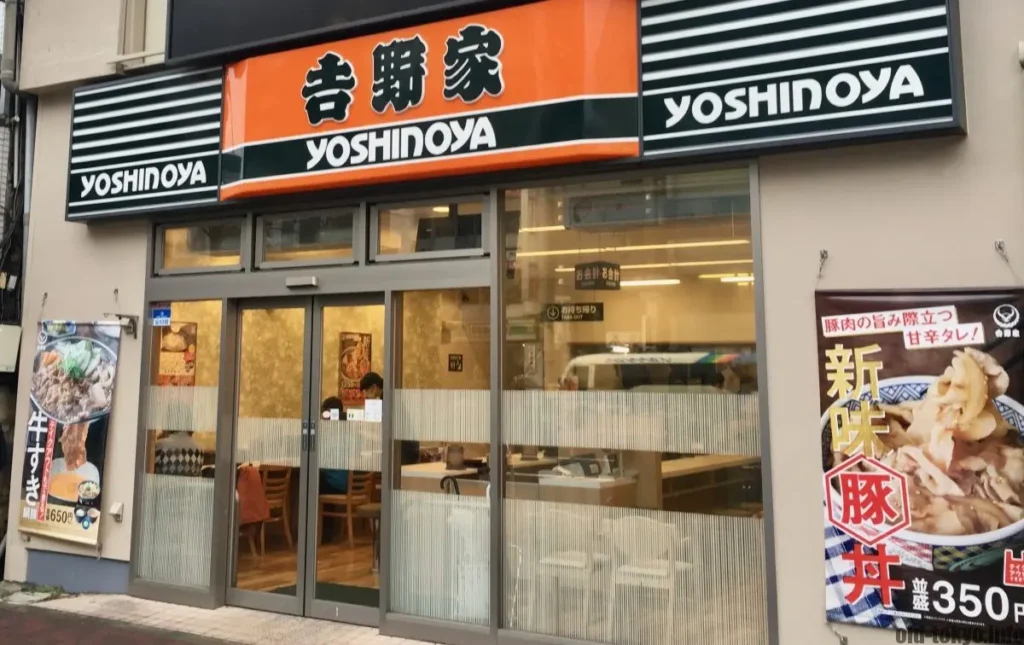
- Casual Dining: Chain restaurants like Yoshinoya (beef bowls) or Ichiran (ramen) provide filling, delicious meals for $6 to $12.
- Mid-Range Restaurants: A nice dinner at a sushi or izakaya (Japanese pub) will usually cost between $25 and $50 per person, including a drink.
- High End Dining: Japan has more Michelin stars than almost anywhere else. A top tier sushi omakase or Kobe beef dinner can easily cost $150 to $300 per person.
According to data from TripAdvisor’s Japan guide, many travelers find that a daily food budget of $40 allows for one “nice” restaurant meal and two casual or convenience store meals.

Activities and Sightseeing Costs
Many of Japan’s best experiences are surprisingly affordable. Most temples and shrines in Kyoto cost between $3 and $6 to enter, while many beautiful parks and gardens are free.
However, if your itinerary includes major theme parks or observation decks, you need to budget accordingly. A 1-day pass to Tokyo DisneyResort or Universal Studios Japan usually costs between $55 and $70. Tickets for popular spots like teamLab Borderless or the Shibuya Sky observation deck are around $20 to $30 and should be booked weeks in advance.
Daily Budget Breakdown (Per Person)
To give you a clearer picture of how much to travel to Japan, here is a summary of estimated daily costs excluding international flights:
| Category | Budget Traveler | Mid-Range Traveler | Luxury Traveler |
| Accommodation | $35 | $110 | $400+ |
| Food & Drink | $25 | $55 | $150+ |
| Transport | $10 | $20 | $50 (Taxis/Private) |
| Activities | $10 | $25 | $100+ |
| Total Daily | $80 | $210 | $700+ |

Essential Money Saving Tips for Japan
If you are worried about the total cost, there are several ways to shave hundreds of dollars off your final bill:
- Eat “Lunch Sets”: Many high end restaurants offer lunch menus that are 30% to 50% cheaper than their dinner counterparts for the exact same food.
- Use Tax Free Shopping: If you spend more than ¥5,000 (about $35) at participating stores, you can get a 10% consumption tax refund immediately. Always carry your passport to qualify.
- Night Busses: Instead of a Shinkansen (bullet train) and a hotel night, take a luxury night bus between Tokyo and Osaka. It covers your travel and your sleep for about $40.
- Free Walking Tours: Many cities have volunteer guides who offer tours for free (though a small tip is always appreciated). Check the Japan National Tourism Organization website for lists of official volunteer groups.
Final Thoughts on Your Japan Travel Budget
When calculating how much to travel to Japan, the key is balance. You might choose to stay in a budget business hotel so you can spend more on a world class sushi dinner, or you might skip the expensive Shinkansen in favor of exploring one region deeply.
Japan is no longer the “prohibitively expensive” destination it was in the 1990s. With careful planning and an understanding of the local costs, it is a country that offers incredible value for every type of traveler. By setting a realistic budget and prioritizing the experiences that matter most to you, your trip to the Land of the Rising Sun can be both magical and affordable.